Boiler Repair 101: Common Issues and When to Call a Pro
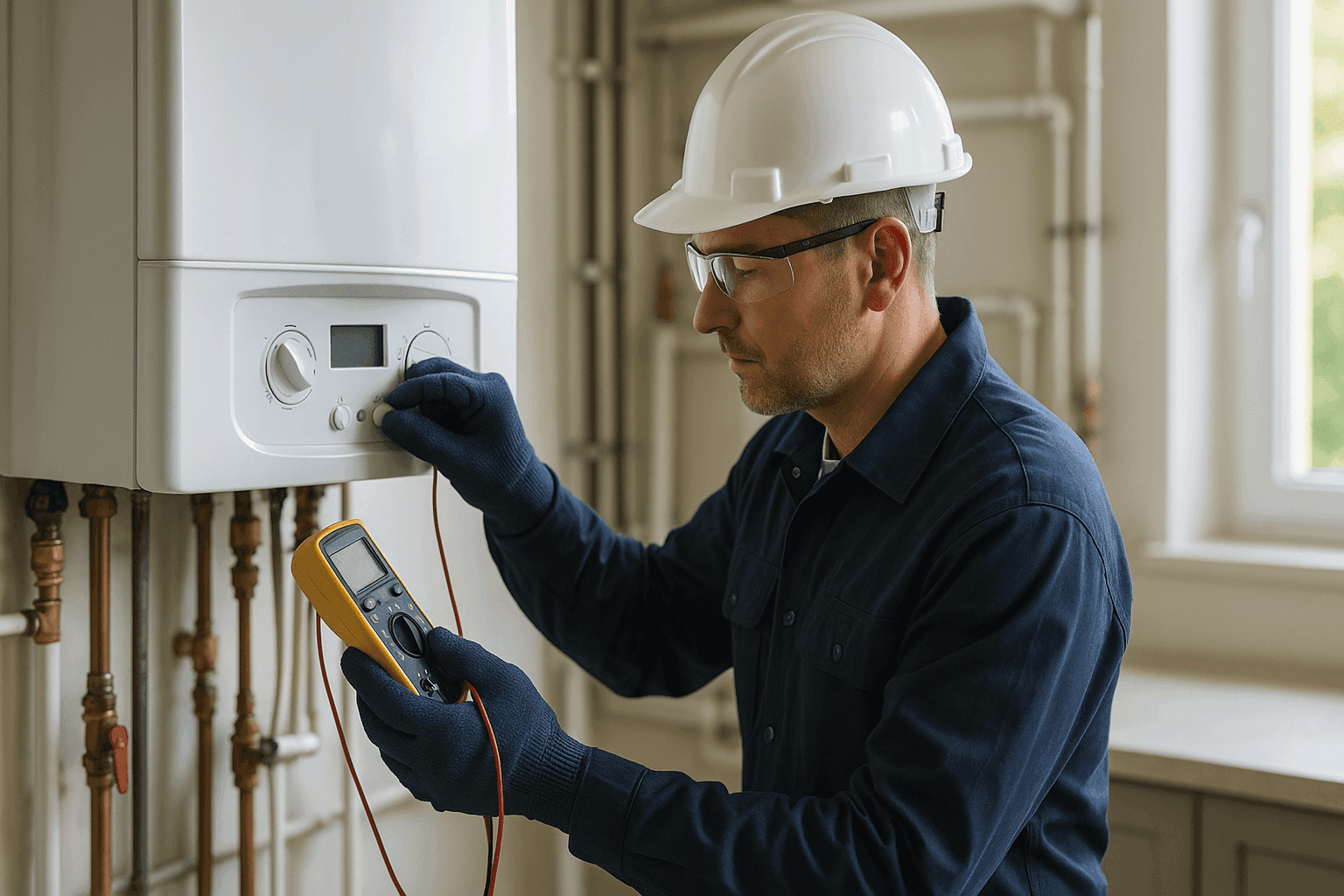
When the cold really settles in, nothing feels more urgent than a boiler that just won’t cooperate. One day it’s humming quietly, the next it sounds like a steam engine—or worse, it’s totally silent. We get it. At Rooter Kings Plumbing, we’ve seen every type of boiler mood swing out there.
Boiler repairs can’t wait, especially when your family’s comfort and safety are on the line. Whether you’re noticing odd noises or waking up to an ice-cold house, knowing what to do next makes all the difference.
How Boilers Work
Imagine your boiler as the beating heart of your home’s warmth. It takes in cold water, heats it up—either with gas, electricity, or both—and sends it through pipes to radiators, underfloor tubing, or your taps.
- Gas boilers: Like a campfire, they burn fuel to heat water fast.
- Electric boilers: Think of a giant kettle—no flames, just coils heating up water.
- Combi boilers: The multitaskers. They give you hot water for both heating and taps, on demand.
Each type has its quirks, but all need regular attention to stay healthy. According to the International Association of Plumbing and Mechanical Officials (IAPMO), keeping boilers in top shape prevents unexpected breakdowns and energy waste.
Common Boiler Problems 🔥
Boilers rarely break down without warning. Here are the most frequent cries for help:
- No heat or hot water: Could be anything from a broken thermostat to a failed pump.
- Strange noises: Banging, whistling, or gurgling often means air in the system or mineral buildup—think of it like a kettle full of limescale.
- Leaks: Water pooling below the unit? Could be a pressure valve or seal gone bad.
- Pressure problems: Too high, and the system could burst or leak; too low, and you get cold radiators.
- Pilot light keeps going out: Usually a sign of faulty sensors or gas supply issues.
- Thermostat isn’t responding: Sometimes it’s the brain, not the body, that’s acting up.
If you notice any of these, don’t ignore them. Small problems can snowball fast, especially during a deep freeze.
Safe DIY Checks
Before you reach for the phone, there are a few homeowner-friendly checks you can do—no fancy tools required.
- Thermostat: Make sure it’s set correctly. Sometimes, settings get bumped.
- Pilot light: Is it burning a steady blue? If it’s out, check your manual for safe relighting instructions.
- Pressure gauge: Most home boilers run best at 1–2 bars. If it’s in the red, don’t touch anything else—move on to the pros.
- Power supply: Double-check circuit breakers or fuses, especially after a storm.
Never: Remove covers, touch wiring, or tamper with gas connections. As the National Fire Protection Association (NFPA) warns, gas and electricity don’t mix well with guesswork.
When to Call a Professional
Some problems demand a seasoned hand. Here’s when to skip the DIY and call Rooter Kings Plumbing:
- Carbon monoxide risks: Any signs of soot, yellow flames, or CO alarms going off—get everyone out and call emergency plumbing help immediately.
- Persistent leaks: Water damage can add up fast and even rot floors or walls.
- Electrical issues: Flickering lights, tripped breakers, or burnt smells are red flags.
- Boiler shuts off randomly: Could signal internal component failure beyond a quick fix.
- Pressure won’t stabilize: Fluctuations often mean something’s wrong deep inside the system.
Rooter Kings Plumbing’s technicians are certified, background-checked, and fully insured. We show up ready, with the right tools and know-how, so you don’t have to risk your safety or comfort.
What Pros Do On Arrival
Wondering what happens when you call in the cavalry? Here’s what our team typically does:
- Inspection: We check visible parts for leaks, corrosion, and damage.
- Diagnostics: Using specialized tools, we test pressure, temperature, and safety controls.
- Safety checks: Gas lines, carbon monoxide detectors, and venting are all on our checklist.
- Repairs: We replace faulty thermostats, pumps, or seals, and make sure all connections are tight.
- Testing: Before leaving, we run your system to guarantee it’s running safely and efficiently.
We always follow regional codes and guidelines, like those from the Uniform Mechanical Code (UMC), to keep your home compliant and safe.
Prevention & Maintenance 🛠️
An ounce of prevention beats a pound of boiler repairs—especially when winter hits hard.
- Annual service: Schedule a professional inspection before the first cold snap.
- Bleed radiators: Remove trapped air so heat flows smoothly.
- Check for drips: Even small leaks can turn into big headaches.
- Monitor pressure: If you see frequent drops, call for a checkup sooner rather than later.
- Clear vents: Make sure nothing blocks your boiler’s air supply.
Regular attention keeps your system humming and helps avoid emergency plumbing calls in the middle of the night.
Costs & Time Factors
Boiler repairs can range from a simple sensor swap to a full system overhaul. Here’s what to expect:
- Time: Minor fixes (like replacing a thermostat) might take under an hour. Bigger jobs (like swapping out valves or pumps) can take several hours.
- Cost factors: Type of boiler, age, parts needed, and how easy it is to access.
We always provide clear explanations and upfront options—no surprises or hidden fees.
When It’s an Emergency
Not sure if your boiler issue can wait? Here’s when to grab the phone right away:
- No heat in freezing temps: Especially if you have young kids, seniors, or health concerns at home.
- Major leaks: Water pouring out is always urgent.
- Gas smells: Move outside and call emergency services first, then us.
- No hot water for days: Can signal a bigger system failure.
Rooter Kings Plumbing handles emergency plumbing calls 24/7, so you’re never left out in the cold.
FAQ
How often should I get my boiler serviced?
At least once a year. Regular maintenance extends the life of your system and keeps it safe.
Can I repair my boiler myself?
Some minor troubleshooting is fine—like checking the thermostat or resetting the system. But leave anything involving gas, electricity, or internal parts to licensed professionals.
What causes low pressure?
Leaks, recently bled radiators, or a failing pressure relief valve. If topping up the pressure doesn’t help, call for help.
Is a noisy boiler dangerous?
Not always, but banging or whistling noises shouldn’t be ignored. They can signal trapped air or mineral deposits and may lead to bigger issues if left unaddressed.
Local and Seasonal Considerations ❄️
If you live where winter is more than just a passing chill, your boiler is a lifeline. Sudden cold snaps put extra strain on older units, especially if maintenance has been skipped. Homes with radiant heat or older pipework are particularly vulnerable to frozen pipes and pressure drops.
Rooter Kings Plumbing knows the unique challenges of keeping homes warm and safe, no matter how wild the weather gets. Whether you need bathroom plumbing near you or emergency boiler repair, we’re ready to roll—day or night.
Call Rooter Kings Plumbing now — or reach us anytime at 877-359-8413 .