The Homeowner’s Guide to Pipe Leak Detection and Repair
Water leaks rarely arrive with a bang. They sneak in quietly—warping floors, staining drywall, and inflating your water bill before you know it. If you’ve ever woken up to the sound of dripping or discovered a mysterious puddle under your kitchen sink, you know how stressful it feels. At Rooter Kings Plumbing, we help homeowners face these moments with confidence and quick action.
Pipe leaks are a common call for emergency plumbing, especially in older homes or during freeze-thaw cycles. It’s not just about saving money—it’s about protecting your home and peace of mind.
Signs of a Pipe Leak 🚨
Not all leaks look like a waterfall in your living room. Some hide behind walls or under floors for weeks. Here’s what to watch for:
- Low Water Pressure: Your morning shower feels more like a drizzle than a downpour.
- Water Stains: Brown or yellow rings on ceilings, walls, or floors signal trouble overhead or behind.
- Musty Odors: Dampness breeds mold and mildew. If you catch a whiff of that old-basement smell, it’s time to investigate.
- Unexplained Water Bills: A sudden spike in your bill, even though your habits haven’t changed, is a classic red flag.
- Peeling Paint or Bubbling Wallpaper: Moisture trapped behind paint or paper causes it to lose grip.
- Unusual Sounds: Listen for hissing, gurgling, or dripping in the silence—your pipes could be talking.
Spotting these clues early can mean the difference between a minor repair and major water damage.
DIY Leak Detection Methods
If you suspect a leak, you don’t have to tear apart your house to check. A few simple steps can help you zero in:
- Meter Reading Test: Shut off all water inside and outside your home. Watch your water meter. If the numbers creep, water’s escaping somewhere.
- Visual Inspection: Check under sinks, behind toilets, around tubs, and in the basement. Look for puddles, corrosion, or mineral deposits.
- Listen Closely: At night, when the house is quiet, listen for dripping or running water behind walls or under floors.
- Check Outdoor Connections: Hoses, spigots, and irrigation systems are frequent culprits—especially after a cold snap.
If you find water pooling or hear a persistent drip, turn off the main shutoff valve and decide if you can safely DIY or if you need help from emergency plumbing pros.
Professional Leak Detection
Sometimes, leaks lurk out of sight—under slabs, behind tile, or inside ceilings. That’s when experience, specialized tools, and a trained eye come in.
At Rooter Kings Plumbing, our licensed technicians use:
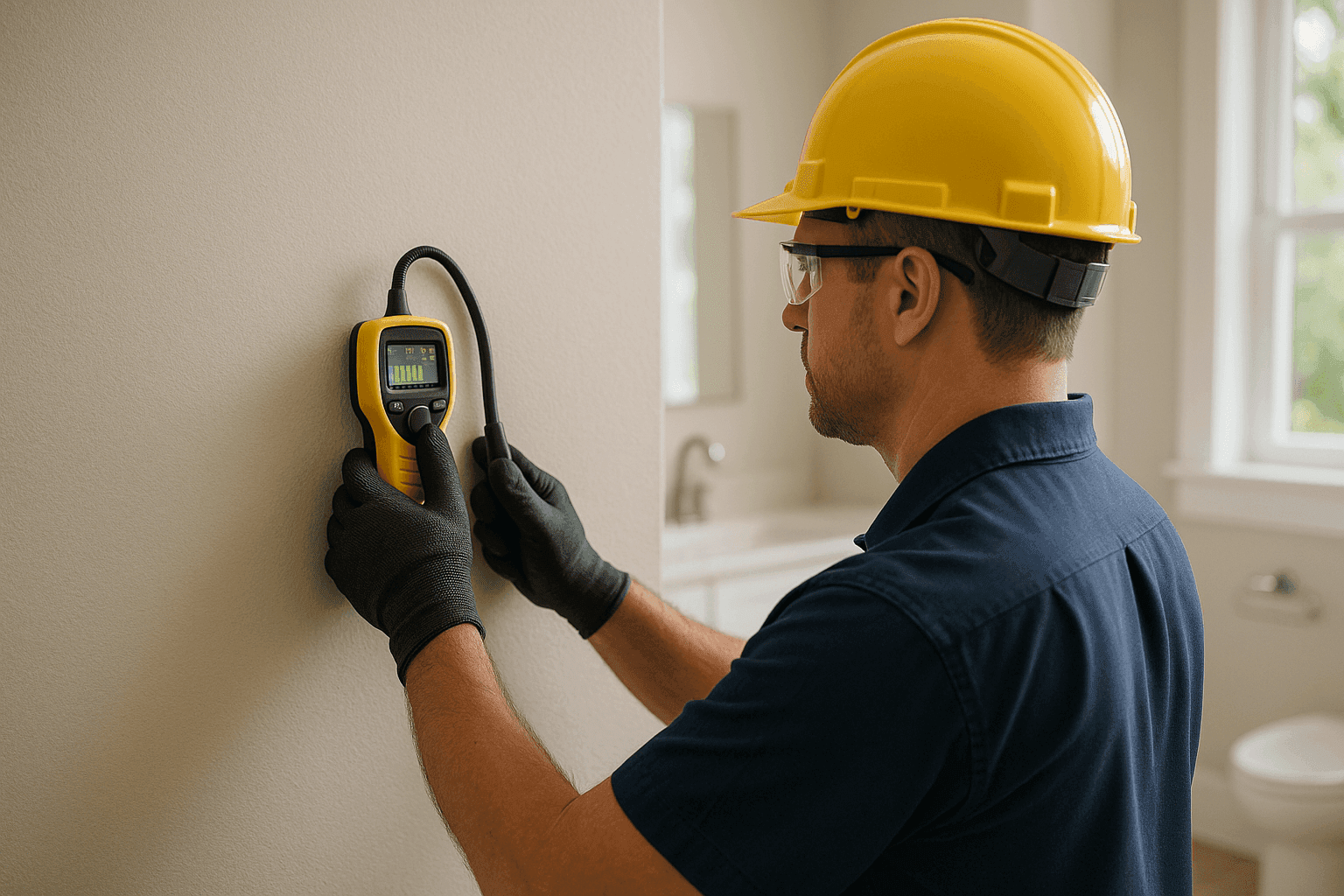
- Thermal Imaging: Special cameras see heat differences, showing where cold water is leaking or pooling behind surfaces.
- Acoustic Sensors: These high-tech “stethoscopes” hear the subtle sounds of water moving through tiny cracks or pinholes.
- Moisture Meters: Pinpoint hidden dampness in drywall, floors, and insulation.
- Video Inspection Tools: For pipes inside walls or underground, a small camera snakes through, giving a real-time view of the trouble spot.
These non-invasive methods mean less damage to your home and faster results. No guesswork. Just clarity and peace of mind.
Repair Options
Once the leak is tracked, it’s time to plan repairs. The right solution depends on the leak’s location, the pipe material, and the extent of the damage.
- Pipe Patching: For small, accessible leaks. Technicians apply a clamp, sleeve, or epoxy to seal things up.
- Pipe Replacement: If corrosion, cracks, or age are the issue, swapping out a section—or even a whole line—may be safest.
- Trenchless Repair: For underground pipes, modern methods allow for repair or replacement without digging up your yard. Think of it as surgery through a keyhole, not an excavation.
Our team stays current with code requirements from sources like the International Plumbing Code (IPC) and local safety standards, so you know repairs meet the right guidelines.
Quick Safety Checklist
Before you start poking around or waiting for help, keep these safety basics in mind:
- Shut Off the Main Water Valve: Stops further flooding.
- Turn Off Electricity if Water Is Near Outlets: Safety first—don’t risk shocks.
- Move Belongings from Wet Areas: Rugs, electronics, and valuables need to dry out fast.
- Avoid DIY on Gas or Boiler Lines: Leave these to licensed pros. Safety codes require it.
DIY vs. Call a Pro
Not every leak spells disaster. Some you can tackle yourself with a wrench and a little patience. But here’s when you should reach out for emergency plumbing help:
- The leak is behind walls, under floors, or inside a slab.
- Water is near electrical outlets or appliances.
- The main water line is affected.
- You can’t find the source or it keeps coming back.
Plumbing might seem like a simple set of pipes, but fixing one problem can sometimes uncover another. If you’re not sure, a quick phone call can save hours of frustration or damage.
What Pros Do On Arrival
When Rooter Kings Plumbing arrives, our process is thorough but efficient:
- Assess the Situation: Safety comes first. We check for structural risks or electrical hazards.
- Pinpoint the Leak: Using non-invasive tools, we find the exact spot—no unnecessary holes in your walls.
- Explain Your Options: We walk you through repair choices and answer questions clearly.
- Make Repairs: Whether it’s a patch, replacement, or full repipe, we use the right method for your home and local codes.
- Test and Clean Up: We confirm the fix, restore water service, and leave your space tidy.
Our licensed plumbers handle everything from bathroom plumbing near you to complex repiping projects—always with respect for your home.
Prevention & Maintenance
The best leak is the one that never happens. Here’s how to lower your risk:
- Insulate Pipes: Especially in unheated areas like attics, basements, or garages. This helps prevent frozen pipes—a leading cause of winter leaks.
- Check Water Pressure: High pressure strains pipes. A plumber can install a pressure reducer if needed.
- Replace Old Hoses: Washing machines and dishwashers use flexible hoses that can crack over time.
- Schedule Annual Inspections: Regular checkups from licensed plumbers catch small issues before they become emergencies.
- Test Shutoff Valves: Make sure you know where they are and that they still turn easily.
According to the EPA, household leaks waste nearly 1 trillion gallons of water nationwide every year. A few minutes of prevention can save gallons and headaches.
Costs & Time Factors
Leak repairs aren’t one-size-fits-all. Here’s what can affect the price and timeline:
- Location: A kitchen sink leak is usually quicker (and cheaper) to fix than a slab leak buried under concrete.
- Extent of Damage: A pinhole takes less work than a burst pipe, but hidden leaks that have caused mold or structural problems can add complexity.
- Materials: Copper, PEX, and PVC each have different repair approaches and costs.
- Emergency Calls: After-hours, holidays, or urgent situations may increase costs—especially if water shutoff affects the whole house.
Most minor fixes take a day or less. Larger jobs (like trenchless sewer line repair) may need a bit more time for planning and permitting. Ask questions and expect clear explanations before work begins.
When It’s an Emergency
Some plumbing issues can wait. Others can’t. Call for emergency plumbing if:
- Water is actively flooding your home.
- A pipe bursts during freezing weather.
- You lose all water pressure suddenly.
- You smell gas or suspect a gas line leak (leave the home and call emergency services, then a licensed plumber).
- There’s sewage backup or toilet overflow.
Quick action keeps damage small and repair bills lower.
FAQ
How do I know if a leak is behind a wall?
Look for damp spots, peeling paint, or musty odors. A water meter test can confirm ongoing leaks.
Can I repair a leaking pipe myself?
Small, accessible leaks may be patched temporarily. For anything behind walls, affecting the main line, or involving gas/boiler lines, call a licensed plumber.
What’s the risk of ignoring a small leak?
Even slow drips can cause mold, rot, and structural damage over time. Small leaks rarely fix themselves—they get worse.
How often should plumbing be inspected?
Once a year is a good rule of thumb, especially in older homes or areas with frequent freeze-thaw cycles.
Local and Seasonal Considerations 🧊
Every region faces its own plumbing headaches. In colder climates, frozen pipes are a winter standby. When water freezes, it expands—pipes crack and burst, often in hard-to-reach places. Insulation and regular use help, but sometimes even the best prep isn’t enough.
In areas with slab foundations, leaks can occur under the concrete. These “slab leaks” are tricky—watch for warm spots on the floor, mysterious puddles, or unexplained water usage.
Rooter Kings Plumbing understands your local risks. Our licensed technicians use non-invasive tools, work to code, and treat your home like their own.
When pipe leaks strike, don’t wait—take action. Whether it’s a bathroom plumbing issue near you, a mystery drip, or an emergency plumbing need, Rooter Kings Plumbing is here for you 24/7.
Call Rooter Kings Plumbing now — or reach us anytime at 877-359-8413 .