10 Signs You Need Pipe Repair and How to Spot Them Early
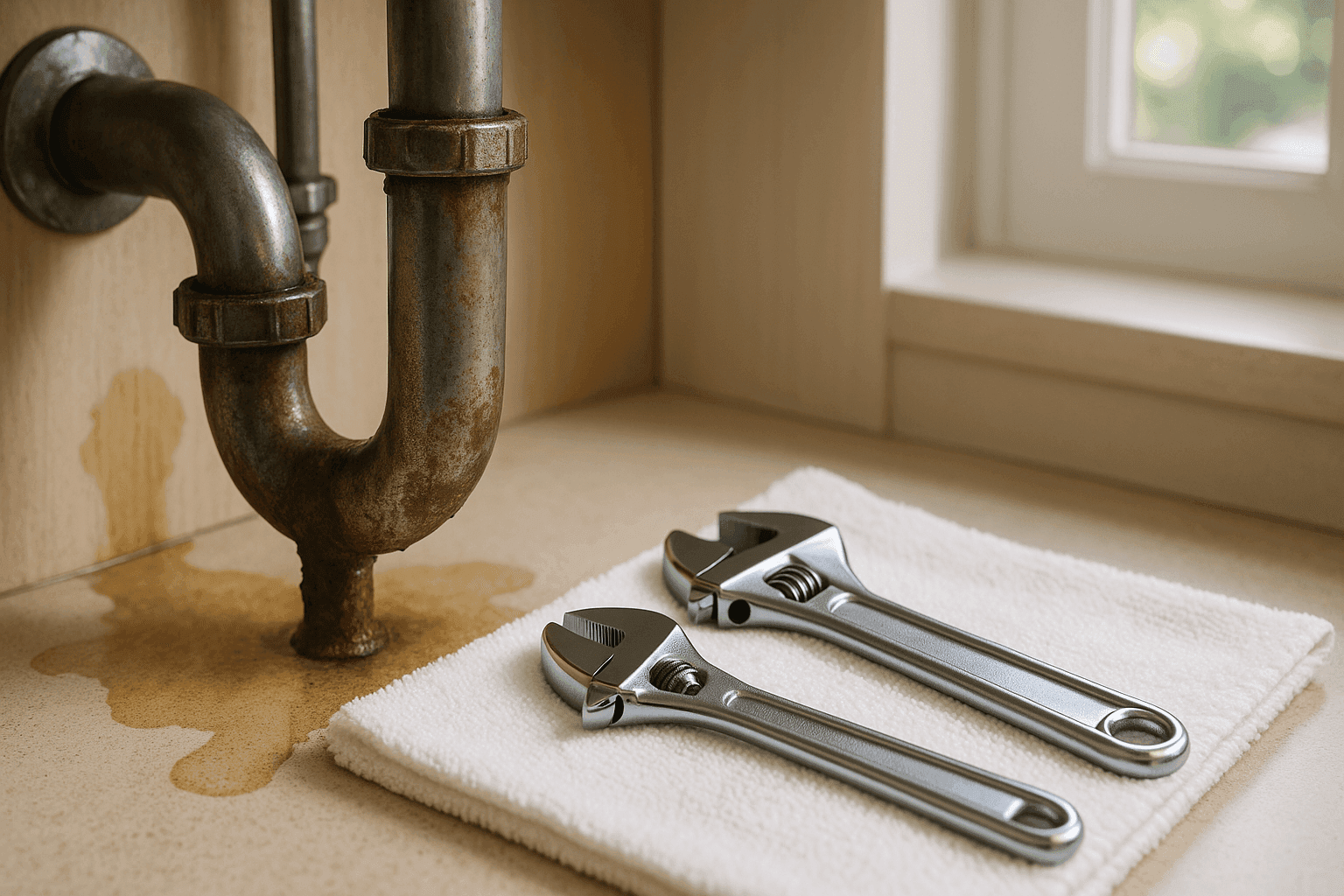
Is that faint drip under the sink just an annoyance, or the sound of something bigger brewing? Most plumbing headaches start small. A stain here, a puddle there. But ignore them, and a simple fix can quickly erupt into a full-blown emergency plumbing nightmare.
At Rooter Kings Plumbing, we’ve seen it all—from bathrooms turned splash zones to pipes bursting like geysers in the night. Our mission: help you catch trouble before it becomes chaos. Here’s how to spot pipe issues early, and what to do next.
Common Pipe Problems 🛠️
Pipes don’t just fail overnight. Behind every soggy ceiling or sluggish drain, there’s a story. Most residential pipe troubles fall into a handful of categories:
- Corrosion: Over time, water eats away at metal pipes—especially older copper or galvanized steel.
- Freezing: Winter’s deep freeze can split pipes wide open, turning tiny cracks into gushers.
- Wear and Tear: Everyday use, water pressure changes, and shifting soil all take their toll.
- Poor Installation: Sometimes, the problem started before you even moved in.
- Blockages: Grease, debris, or even tree roots can choke off flow.
- Material Weakness: Not all pipes are created equal. PEX is flexible but can kink. Copper is sturdy but can pit. PVC is affordable but brittle in the cold.
If your home’s pipes are pushing 30, or you’re not sure what material you have, you’re not alone. Regional standards—like copper in older homes, PEX in recent builds, or even cast iron in historic districts—mean every house has its quirks.
Top 10 Warning Signs Your Pipes Need Repair
Pipes rarely shout for attention. Instead, they whisper. Here’s what to listen—and look—for:
1. Water Stains on Walls or Ceilings
That yellow-brown streak isn’t just ugly. It’s a red flag. Water travels along pipes and beams, often surfacing far from the leak.
2. Drop in Water Pressure
Suddenly your morning shower feels more like a drizzle? Consistent low pressure often means a leak, clog, or break somewhere in your system.
3. Unexplained Wet Spots
Damp floors, soggy carpet, or puddles under cabinets point to pinhole leaks or failing joints.
4. Strange Sounds in the Pipes
Whistling, banging, or gurgling when you turn on the tap? That’s not “just old pipes”—it’s a sign of trapped air, sediment, or loose fittings.
5. Rusty or Discolored Water
Brown, yellow, or cloudy water (especially from cold taps) often spells corrosion inside metal pipes.
6. Persistent Musty Odors
A hidden leak can foster mold and mildew, filling rooms with that telltale musty smell.
7. Spiking Water Bills
If your usage hasn’t changed but your bill has, water is escaping somewhere—often through a slow, steady leak.
8. Visible Corrosion or Flaking
Check pipes under sinks or in the basement. Green, white, or rust-colored crust means the metal is breaking down.
9. Frequent Clogs or Backups
Regular backups—especially in multiple fixtures—can signal a bigger issue in the main line, not just a stubborn drain.
10. Foundation Cracks or Shifting
Water from a broken pipe can seep under your home, causing cracks, uneven floors, or doors that won’t close.
DIY Checks vs. Professional Diagnosis 🔍
It’s tempting to grab a wrench and channel your inner handyman. Some checks you can—and should—do yourself:
- Inspect visible pipes in basements, crawl spaces, and under sinks for leaks or corrosion.
- Listen for unusual sounds when running water.
- Watch for water stains, bubbling paint, or warping floors.
- Check your meter: Turn off all water, then watch if the meter keeps spinning. If it does, you have a leak.
But here’s the real challenge: Most of your plumbing is hidden behind walls. Even the best DIY sleuth can miss a slow leak or hidden clog. That’s where a trained eye makes all the difference.
Tips for Telling Minor Issues from Major Ones
- Scale: A single slow drip under one sink? Often minor, if caught early. Multiple damp spots or stains in different rooms? That’s major.
- Speed: Fast-spreading water, sudden drops in pressure, or pooling—don’t wait.
- Age of Pipes: Older homes with original plumbing are more at risk for sudden failure.
The Risks of Waiting
Delaying repairs might seem harmless. But just like ignoring a rattle under the hood, small pipe issues almost always get worse—fast.
- Water Damage: One leaky pipe can ruin drywall, floors, and even your home’s foundation.
- Mold Growth: It only takes 24–48 hours for mold to start growing in damp areas, according to the Environmental Protection Agency.
- Structural Damage: Water can weaken beams and joists, leading to expensive repairs.
- Health Hazards: Mold, mildew, and even sewage leaks can threaten your family’s health.
How Pipe Materials Affect What You See
Not all pipes show damage the same way. Here’s what to know:
- Copper: Look for blue-green stains or pitting.
- PEX: Watch for bulges, splitting at joints, or kinks from shifting.
- PVC: Cracks and brittleness, especially in cold climates.
- Galvanized Steel: Rust, discoloration, and flakes inside the tap water.
Regional codes and building trends mean your neighborhood may favor one material over another. If you’re not sure, the year your house was built can be a clue. The International Association of Certified Home Inspectors offers detailed guidelines on pipe lifespan and material safety.
When to Tackle It Yourself—and When to Call Rooter Kings
Some fixes are safe for DIY:
- Tightening a loose fitting
- Replacing a worn washer
- Using a plunger for minor clogs
But if you spot any of the 10 signs above—especially stains, pressure drops, or unexplained wet spots—it’s time to call for help. Emergency plumbing isn’t just about stopping a flood. It’s about catching the problem before it turns destructive.
What to Expect: The Rooter Kings Approach
When you call Rooter Kings Plumbing, here’s what happens next:
- Thorough Inspection: We check visible pipes, run diagnostic tests, and use non-invasive leak detection tools.
- Clear Communication: We show you what we find—photos, explanations, and honest recommendations.
- Regional Know-How: Whether your home has copper, PEX, or something older, we match the repair to your system.
- Safety First: We follow local plumbing codes and prioritize your family’s safety—every time.
Quick Reference: Spot-Check Your Plumbing
- Check under sinks every month for signs of moisture.
- Watch ceilings below bathrooms for stains.
- Know where your main water shutoff is—just in case.
- Listen for new or unusual pipe noises.
- Keep an eye on your water bill.
Don’t Wait for a Small Problem to Become a Flood
Pipe problems rarely fix themselves. Early detection is your best defense against water damage, costly repairs, and sleepless nights. If you see, smell, or hear any of these 10 warning signs, don’t guess—act.
Call Rooter Kings Plumbing now — or reach us anytime at 877-359-8413 .