Backflow Prevention Devices: Types, Costs, and Installation
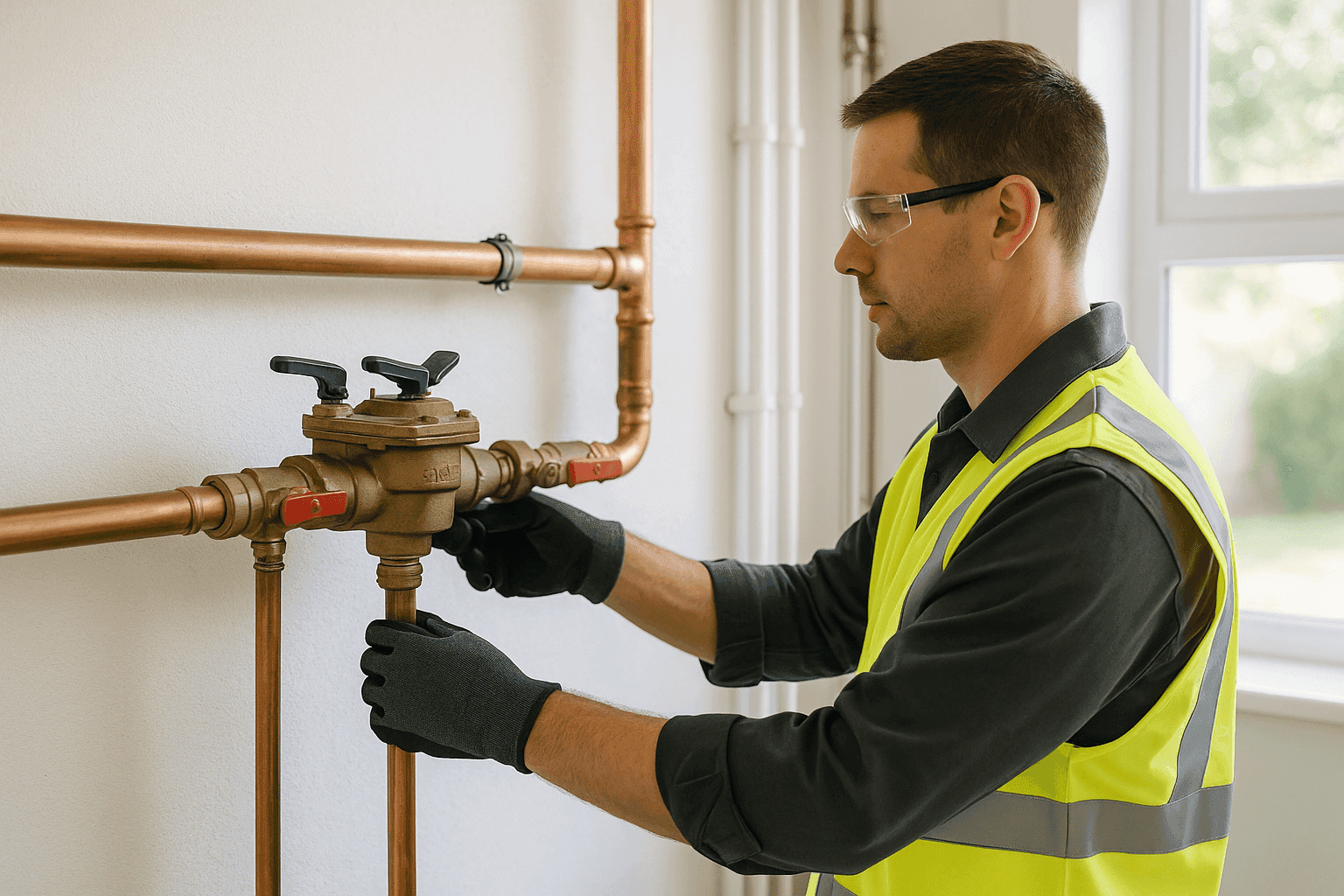
Water is the lifeblood of your home. But what happens when it starts flowing the wrong way? Backflow can sneak up in the middle of a storm, a pipe break, or even during routine yard work. It’s invisible, but the risks are real—and fast.
At Rooter Kings Plumbing, we know emergencies don’t wait for business hours. That’s why our certified team is ready for anything: from bathroom plumbing near you to full-scale emergency plumbing and backflow prevention. Let’s break down what you need to know—without the jargon.
What Is Backflow and Why Prevent It? 🚨
Imagine your drinking water as a clear mountain stream. Now picture something—dirty, possibly hazardous—rushing backward into that stream. That’s backflow. It happens when water pressure drops unexpectedly, causing contaminated water to flow the wrong way through your pipes.
Health and Legal Risks
- Health: Backflow can introduce pesticides, bacteria, or chemicals right into your tap. The Centers for Disease Control and Prevention (CDC) lists backflow as a leading source of waterborne illness in homes.
- Legal: Most towns require backflow prevention devices by law, especially for homes with irrigation systems, pools, or fire sprinklers. Local codes (like the Uniform Plumbing Code or International Plumbing Code) spell out the rules.
Flood-prone areas are at especially high risk. During heavy rain or drought, pressure changes happen fast and unpredictably. That’s when prevention matters most.
Types of Backflow Prevention Devices
Choosing the right device for your home isn’t one-size-fits-all. Here’s how they stack up:
Air Gap
Think of an air gap as the moat around your castle. There’s an intentional space—air—between your faucet and the flood line of a sink or appliance. This is the simplest, most reliable way to stop backflow, required on dishwashers and utility sinks.
- Best for: Sinks, dishwashers, water filtration systems
Check Valve
A check valve is like a one-way door for water. It lets clean water in but slams shut if water tries to flow backward. Simple, effective, and commonly used in home plumbing.
- Best for: Sprinkler systems, boiler repair, sump pump discharge
Reduced Pressure Zone (RPZ) Assembly
The RPZ is the bodyguard of backflow devices. It uses valves and a pressure chamber to keep your water safe, even if pressure drops suddenly. RPZs are required by code for high-risk connections.
- Best for: Lawn irrigation, fire sprinkler systems, commercial kitchens
Double Check Valve Assembly
A step up from the basic check valve. It has two layers of protection and is often installed on homes with moderate risk.
- Best for: Larger residential systems, small apartment buildings
Installation Scenarios
- Flood-prone neighborhoods: RPZ or double check valves are often required.
- Drought-prone areas: Air gaps and check valves help prevent contamination when water supply gets low.
- Bathroom plumbing near you: Air gaps on sinks, check valves on fixtures, and RPZs for whole-house protection.
Installation Steps and Costs
Installing a backflow prevention device is like building a shield for your water supply. Here’s what’s involved:
Permits and Compliance
- Permits: Local codes often require permits for backflow device installation. The process protects homeowners and ensures the work meets safety standards.
- Certified Installers: Only licensed plumbers—like Rooter Kings Plumbing—can legally install these devices.
Device Pricing
- Air gap: The least expensive, often under $50 for parts.
- Check valve: Ranges from $40–$150 depending on size and type.
- Double check valve: Typically $100–$300, plus fittings.
- RPZ assembly: $200–$500 or more, depending on brand and local code.
Labor
- Basic installs: $150–$400 for a simple check valve or air gap.
- Complex installs: $500–$1,200 or more for RPZ assemblies or where retrofitting is needed.
- Permits and inspections: Fees range between $50–$200, depending on your city.
Getting it right the first time saves money and headaches later.
Maintenance and Testing 🧰
Backflow devices aren’t “set and forget.” They need regular attention—think of it like an annual checkup for your home’s heart.
Annual Checks
- Testing: Most codes require certified annual testing. A pro uses calibrated gauges to ensure the device still works.
- Compliance: Keep your paperwork. Local water authorities may request proof of testing, especially after storms or droughts.
Signs of Trouble
- Water pressure drops suddenly.
- Discolored water at any tap.
- Unusual smells or tastes in your water.
Don’t ignore these red flags. Contact emergency plumbing professionals if you spot them.
Local Requirements: Flood and Drought Zones
If you live in a flood-prone or drought-prone area, your local requirements may be extra strict. Municipalities like Los Angeles or Houston require RPZs for many homes. Drought states may focus on air gaps and check valves to prevent contaminated groundwater from entering home plumbing.
Tip: Always check your city’s building department or state plumbing code (refer to the Uniform Plumbing Code or your state’s Department of Health guidelines).
Why Choose Certified Installers?
At Rooter Kings Plumbing, our installers are certified, background-checked, and stay current on local codes. We handle your permits, paperwork, and compliance testing—every step of the way.
Your family’s safety comes first. That’s why we take our role seriously, whether it’s an emergency plumbing call or scheduled maintenance.
Practical Tips for Homeowners
- Know your water shutoff: Quick action can stop backflow damage.
- Schedule annual testing: Mark your calendar—prevention beats cleanup.
- After a storm or pipe break: Request a backflow check, even if you don’t notice problems.
- Upgrade when remodeling: Adding new bathrooms, kitchens, or irrigation? Check if code requires a new device.
Frequently Asked Questions
How do I know if I need a backflow prevention device?
If your home has a sprinkler system, pool, or is in a flood/drought-prone area, you probably do. Check with your local building department, or ask Rooter Kings Plumbing for a quick assessment.
What happens if I skip annual testing?
You could face fines from your water authority, and your insurance might not cover water contamination. Worse, you risk exposing your family to unsafe water.
Is backflow prevention part of regular bathroom plumbing near you?
Absolutely. Every faucet, toilet, and shower is connected to your main line. Preventing backflow keeps every part of your home safe.
Can I install a device myself?
Some air gaps are simple enough for DIY. But check valves, double check valves, and RPZs must be installed and tested by certified pros. It’s the law—plus, your home insurance may require it.
Seasonal and Local Considerations 🏡
- Flood season: Schedule device checks before storms hit.
- Drought conditions: Inspect for cracks or leaks around your main line—low water pressure can trigger backflow.
- Older homes: Pipes and valves degrade over time. An annual inspection can catch issues early.
Final Thoughts
Backflow prevention isn’t just another item on the to-do list. It’s the difference between clean, safe water and a costly (even dangerous) emergency. Whether you’re upgrading your kitchen, remodeling a bathroom, or responding to a leak, make backflow prevention a priority.
Rooter Kings Plumbing is here for you—day or night, rain or shine.
Call Rooter Kings Plumbing now — or reach us anytime at 877-359-8413 .