Fixture Installation Guide: Faucets, Sinks, and Showers
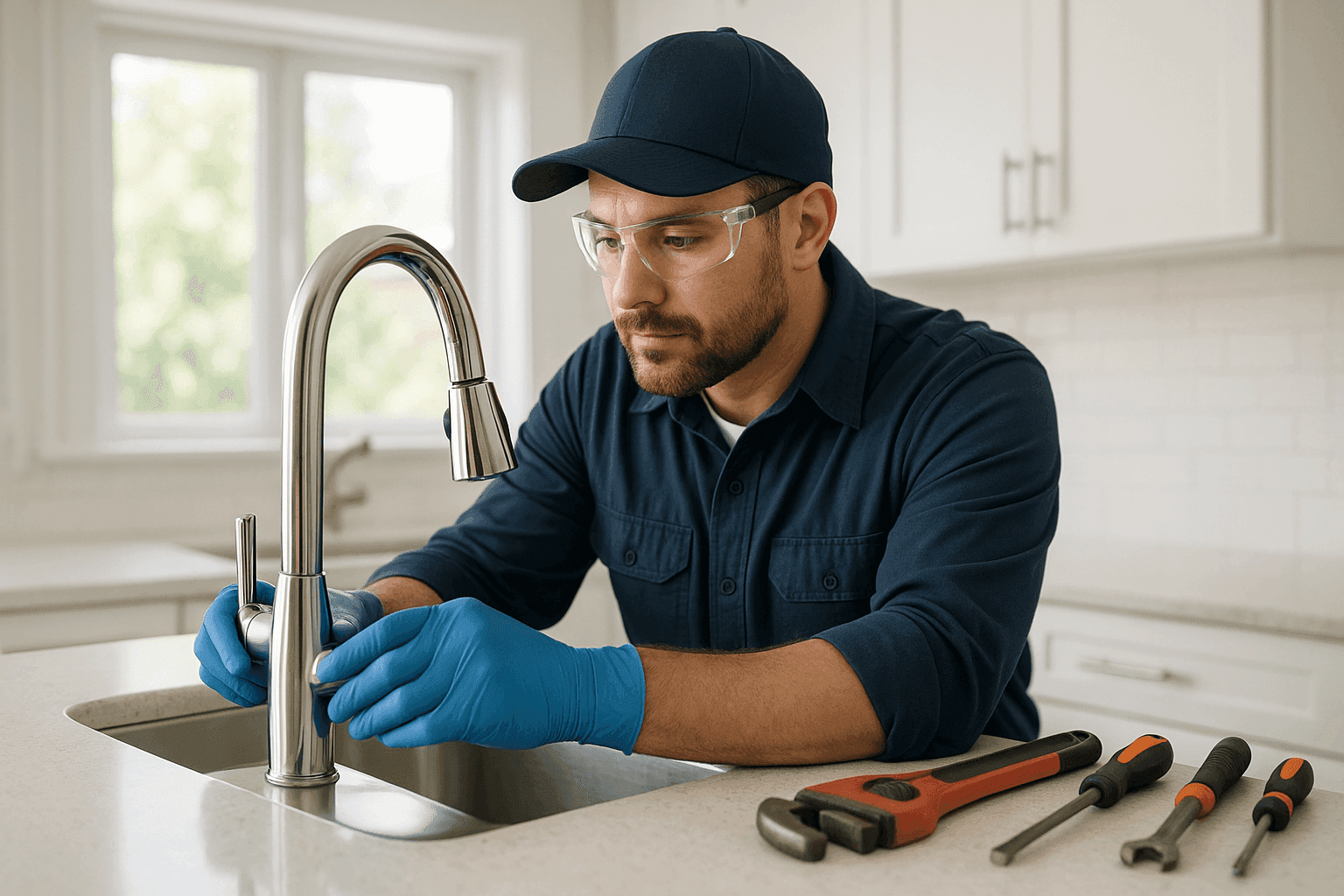
Upgrading your home’s faucets, sinks, or showers feels a lot like swapping out an old pair of shoes for something new and comfortable. The difference is, if your fixture install goes wrong, you could be ankle-deep in water, not just new style. At Rooter Kings Plumbing, we get calls every day from homeowners who start with good intentions—and end up with a mess on their hands.
Whether you’re taking on a small bathroom improvement or need emergency plumbing in the middle of the night, this guide will help you understand what’s required, where things can go sideways, and when it’s time to bring in a certified pro.
Choosing the Right Fixture 🛠
Picking out a fixture isn’t just about style—though, let’s face it, those brushed nickel handles look sharp. Here’s what matters most:
- Compatibility: Will the new faucet fit your sink’s mounting holes? Does your showerhead thread match the pipe? It’s like trying to fit a square peg in a round hole—measure twice, buy once.
- Quality: Look for fixtures with solid brass or stainless steel internals. Plastic may cost less, but it often leads to more repairs down the line.
- Efficiency: Water-saving fixtures aren’t just a buzzword. In drought-prone regions, efficient faucets and showerheads can help conserve gallons every day. The EPA’s WaterSense label is a good place to start.
If you’re not sure what will fit, bring photos or your old fixture to the hardware store. Sometimes, a picture is worth a thousand measurements.
Step-by-Step Installation
Ready to get your hands dirty? Let’s walk through the basic steps for faucets, sinks, and showers. (If you’re looking for “Bathroom Plumbing near you,” these are the same steps our certified team uses.)
1. Removing the Old Fixture
- Shut off the water supply. This is non-negotiable. Look for valves under the sink or behind the toilet.
- Relieve pressure. Open the fixture to drain any remaining water.
- Disconnect supply lines. Use a wrench, but go easy—those nuts can be fragile.
- Loosen mounting hardware. Some fixtures may have corroded nuts; a little penetrating oil goes a long way.
- Lift out the old fixture. Have a towel on hand for drips.
2. Prepping the Area
- Clean all surfaces. Remove old plumber’s putty or gunk.
- Check for damage. Look for cracked pipes, worn washers, or corrosion on shut-off valves.
- Lay out your new parts. Double-check you have all washers, gaskets, and fasteners.
3. Installing the New Fixture
- Follow the manufacturer’s instructions. (Keep them handy—every model is a little different.)
- Apply plumber’s tape. Wrap threads on connections to help prevent leaks.
- Hand-tighten fittings first, then use a wrench. Don’t overdo it—just enough to be snug.
- Attach supply lines. Make sure hot and cold are connected correctly.
4. Leak Testing
- Turn the water supply back on—slowly.
- Watch for drips at all connections.
- Tighten as needed, but avoid over-tightening.
- Test the fixture in use. Run water for a minute or two, checking both flow and drainage.
Mistakes here can mean a call to emergency plumbing—better to catch leaks before they become disasters.
Common Pitfalls 🚩
It’s easy to get tripped up by small mistakes. Watch out for these:
- Cross-threading: If a fitting feels stuck, back off and realign. Forcing threads is like stripping a screw—once it’s done, there’s no going back.
- Over-tightening: More pressure isn’t always better. Over-tightening can crack plastic parts or warp metal.
- Skipping the plumber’s tape: This tiny roll is your best friend against leaks. Don’t forget it.
- Ignoring small leaks: Even a slow drip can lead to water damage, mold, or sky-high water bills.
When in doubt, pause and review. Or snap a photo and text it to a pro for advice.
When to Hire a Pro
Some jobs just call for a certified installer—no shame in that. Here’s when to consider calling Rooter Kings Plumbing:
- Code Compliance: Many cities require licensed plumbers for certain bathroom plumbing jobs and any work involving gas lines or major water supply changes. Check your local building codes or the International Plumbing Code for reference.
- Warranty Protection: Some manufacturers’ warranties are only valid if installed by a certified professional.
- Hidden Damage: If you find mold, rot, or signs of leaks behind walls or under floors, don’t risk it. These are the jobs where a pro’s trained eye (and insurance) matter.
- Complex Installations: Double sinks, multi-head showers, and integrated filtration systems are best left to the people who do it every day.
Rooter Kings Plumbing sends certified installers to every job, and our labor is backed by our workmanship warranty.
Local and Seasonal Considerations 💧
Living in a region where every drop of water counts? Water-efficient fixtures are more than just a good idea—they’re a responsibility. Look for WaterSense-labeled products and install flow restrictors where possible. For homes in drought-prone areas, even a small leak can waste thousands of gallons a year.
In colder climates, make sure all connections are insulated against freezing. Burst pipes aren’t just messy—they’re expensive.
Practical Tips for Success
- Keep a bucket and towels handy for any drips.
- Label your shut-off valves so you’re not guessing next time.
- Photograph connections before you disconnect them. It’s a lifesaver if you get lost during reassembly.
- Schedule regular maintenance to catch leaks or drainage issues early.
The Uniform Plumbing Code and your local building department are great sources for safety guidelines and requirements.
Common Fixture Installation FAQs
Do I need special tools to install a faucet or shower?
Most installs need just a wrench, screwdriver, plumber’s tape, and sometimes a basin wrench for tight spaces. Specialty fixtures may require unique tools—check your instructions.
How long does a typical installation take?
A straightforward faucet or showerhead swap can take 30 minutes to an hour. Sinks or more complex fixtures may take 2–3 hours, especially if old hardware is corroded.
Why did my new fixture start leaking right after installation?
Often, leaks result from loose or misaligned connections, missing washers, or skipping plumber’s tape. Double-check all joints, and if you’re stumped, give us a call.
Can I install a water-saving fixture myself?
Yes, many are designed for homeowner installation. Just be sure to follow the instructions, and check that your water pressure is adequate for low-flow models.
When It’s an Emergency
If water is spraying, pooling, or you smell gas—stop and call emergency plumbing right away. Shut off your main water or gas supply if you can do so safely. Burst pipes, uncontrolled leaks, or signs of electrical hazards around water need a professional plumber, not a DIY fix.
Final Thoughts
Replacing fixtures is a satisfying upgrade—when done right. But if you run into trouble, or just want the peace of mind that comes with certified installation, Rooter Kings Plumbing is here for you. Our team can handle everything from simple faucet swaps to full bathroom remodels, always with an eye for water efficiency and code compliance.
Call Rooter Kings Plumbing now — or reach us anytime at 877-359-8413 .