Garbage Disposal Repair and Maintenance for Home Kitchens
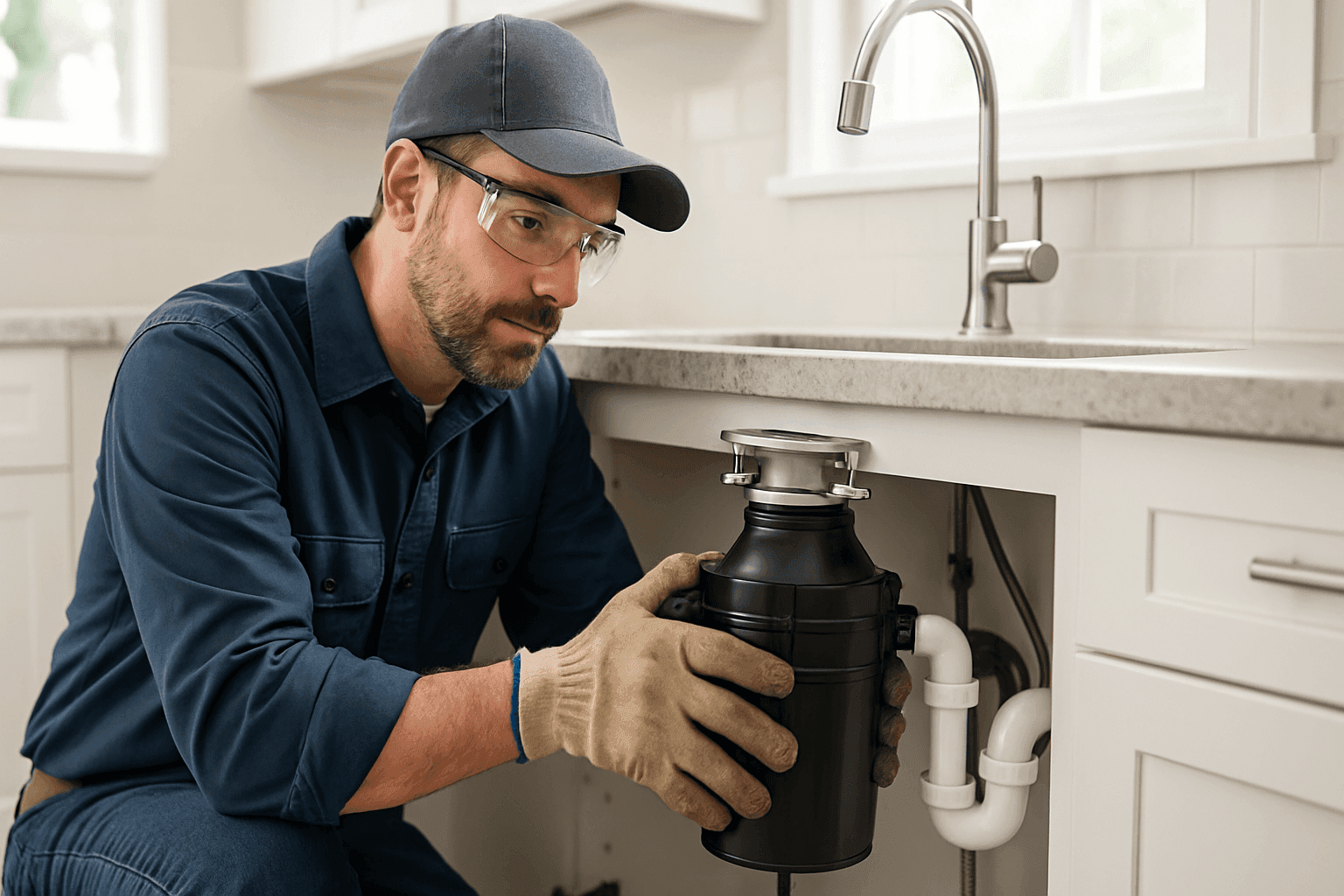
A garbage disposal is like a kitchen’s secret superhero—out of sight, out of mind, until the villain of a jam or clog strikes. Suddenly, dinner prep halts, a strange smell creeps in, and you’re left wondering if this is a minor hiccup or a full-blown emergency plumbing situation.
At Rooter Kings Plumbing, we know home kitchens are the heart of family life. When your disposal fails, it’s more than an inconvenience—it can disrupt your entire household. We’re here to help you understand common issues, safe fixes, and when it’s time to call in a licensed technician.
Common Garbage Disposal Problems 🛠️
Most garbage disposal problems start small—like a pebble in your shoe. Ignore them, and they’ll stop you in your tracks.
Here’s what we see most often in kitchens across the region:
- Jams: Something gets wedged in the blades. Suddenly, the unit hums but doesn’t spin.
- Clogs: Food scraps, grease, or fibrous vegetables create a traffic jam in the drain.
- Strange Noises: A spoon or piece of bone rattling around sounds like a train wreck under your sink.
- Leaks: Water pooling under the cabinet can signal a worn gasket or cracked housing.
If you notice any of these, don’t ignore them. Minor problems can quickly snowball into burst pipes or electrical hazards.
Quick Safety Checklist
Before you do anything below the sink, stop and run through these safety checks:
- Unplug the disposal. Never work on a unit that’s still connected to power.
- Don’t put your hand down the drain. Even if it’s off, blades can move unexpectedly.
- Use a flashlight. Visibility prevents accidents.
- Keep water nearby. For flushing, not for cleaning up a shock!
The National Electrical Code (NEC) and local building codes require garbage disposals to be installed with proper grounding and accessible shut-off. If you’re unsure, call a pro.
DIY Fixes: What You Can Safely Try
For many homeowners, a quick fix is possible—if you know what you’re doing.
- Reset Button: Most disposals have a small red or black button underneath. If the unit won’t turn on, press this to reset the system.
- Jam Wrench: Use the wrench that came with your disposal (or a 1/4-inch Allen key) and insert it into the bottom slot. Gently twist back and forth to free up stuck blades.
- Safe Cleaning: Pour a mixture of ice cubes and coarse salt into the disposal, then run cold water. This helps clear minor grime and odor.
Never use chemical drain cleaners—they can corrode parts and are unsafe for your plumbing.
Maintenance Tips for a Healthy Disposal ✨
Think of your garbage disposal as a trusty sidekick. It needs regular care to stay strong.
- Run Cold Water: Always before, during, and after using the disposal. It hardens grease so blades can chop it up.
- Small Batches: Feed food scraps slowly to prevent overload.
- Keep Hard or Fibrous Foods Out: No bones, pits, corn husks, celery, or potato peels.
- Avoid Fats and Oils: These congeal and cause clogs, especially in colder months.
- Routine Cleaning: Citrus peels (orange or lemon) can freshen the disposal naturally.
The International Association of Certified Home Inspectors (InterNACHI) recommends monthly cleaning and annual inspections, especially if you use your disposal daily.
When to Replace: Warning Signs to Watch For
Like a favorite kitchen gadget, a disposal won’t last forever. Here’s when you might need an upgrade:
- Frequent Resets: If you’re hitting the reset button every week, something’s wrong.
- Persistent Odors: Bad smells that linger, even after cleaning, can mean hidden buildup or cracks.
- Repeated Clogs or Jams: If safe DIY fixes don’t last, the motor or blades may be worn out.
- Leaks from the Bottom: This usually means a cracked housing—a sign it’s time to shop for a new unit.
Most disposals last 8–15 years. If yours is older, installing a modern, efficient model can save energy and reduce future headaches.
When to Call Rooter Kings Plumbing
Some problems need a licensed technician, especially if:
- The disposal trips the circuit breaker repeatedly.
- There’s water leaking from electrical connections.
- You smell burning or see smoke.
- The unit is making grinding noises, but you’ve cleared all visible debris.
- You’re unsure about local code or safety requirements.
Our team handles kitchen plumbing emergencies every day. We’re trained to diagnose, repair, or replace disposals quickly—no guesswork, no mess left behind.
Local and Seasonal Kitchen Plumbing Challenges 🍂
Living around here means holiday feasts, summer barbecues, and seasonal changes that can stress your plumbing.
- Holiday Clogs: Thanksgiving and winter holidays see more potato peels, bones, and grease—prime clog culprits.
- Regional Foods: If your family loves artichokes, corn, or shellfish, keep those scraps out of the disposal.
- Freezing Temps: In colder months, fats harden faster and pipes contract, making clogs and leaks more likely.
Ask your Rooter Kings tech about preventative maintenance—especially before high-traffic kitchen seasons.
Frequently Asked Questions
How do I know if my garbage disposal is jammed or broken?
A jammed unit will hum but won’t grind. A broken one may make no sound at all, trip breakers, or leak.
Are store-bought cleaners safe for my disposal?
Most chemical cleaners are too harsh. Stick to ice, salt, or baking soda and vinegar.
Can I put eggshells or coffee grounds in the disposal?
No. Eggshells and coffee grounds can build up and block drains.
What if I dropped a utensil or glass in the disposal?
Unplug the unit at the wall. Use pliers or tongs to gently remove the object—never your fingers.
Costs & Time Factors
Repairs can range from a quick reset (just a few minutes) to blade or motor replacement (up to an hour). Most issues can be diagnosed in one visit. Replacement units and installation usually take less than two hours. Remember, delaying repairs can increase costs—especially if leaks cause cabinet or floor damage.
Preventative Maintenance for Peace of Mind
- Schedule regular inspections—especially before holidays.
- Keep a strainer in your sink to catch the worst offenders.
- Run cold water after every use to flush the drain.
- If you’re not sure something’s safe for the disposal, toss it in the trash instead.
The Plumbing-Heating-Cooling Contractors Association (PHCC) offers guidelines for proper kitchen waste disposal—review these with your family for fewer surprises.
Is your garbage disposal making trouble or just not working as it should? Don’t let a small issue become a kitchen disaster. Call Rooter Kings Plumbing now — or reach us anytime at 877-359-8413 .