Gas Safety Checks for Homeowners: Signs, Steps, and Services
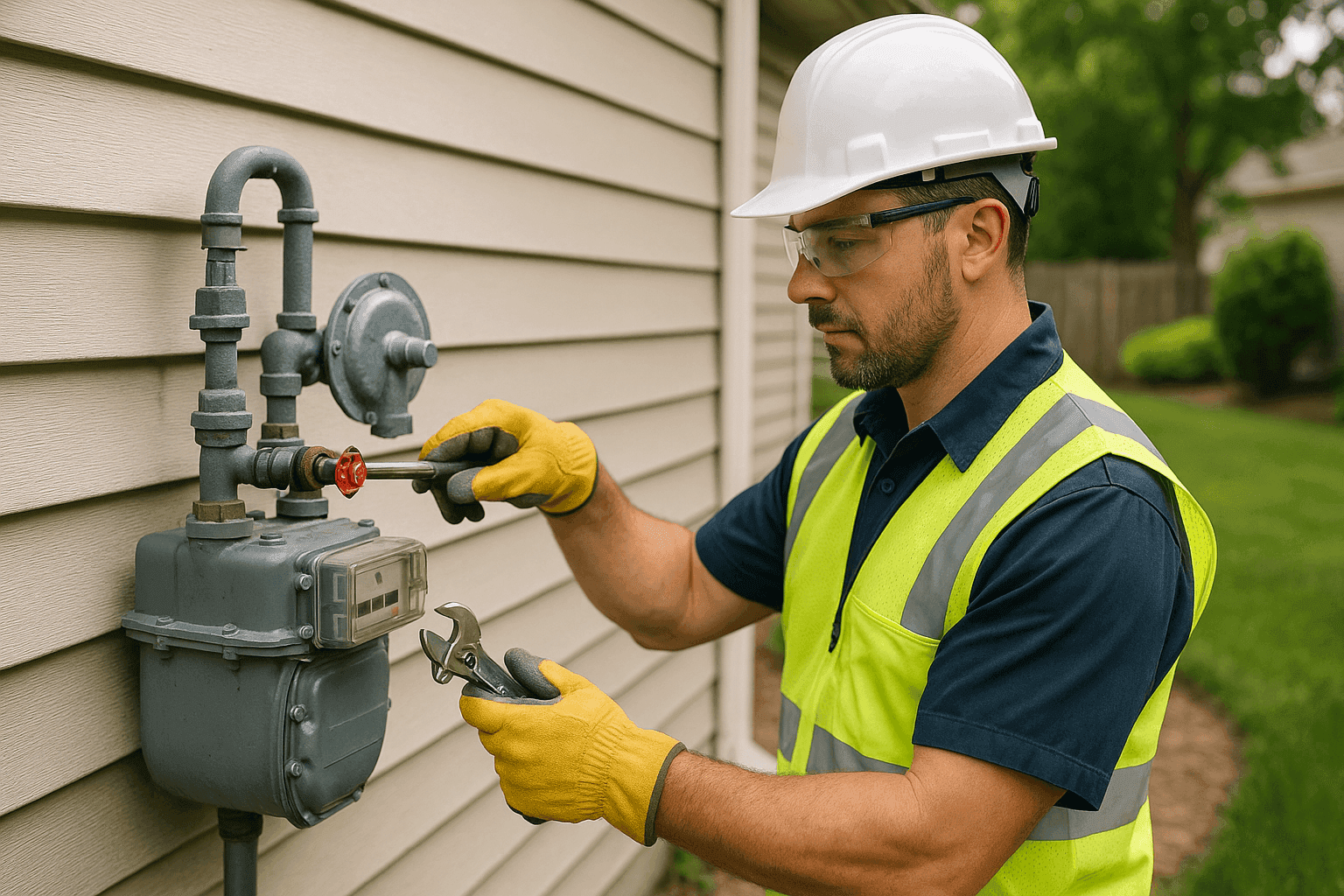
Gas lines run quietly through your home, fueling heat, hot water, and those cozy winter nights. But when something goes wrong, the consequences can be serious—fast. Rooter Kings Plumbing knows that safety isn’t just about fixing pipes. It’s about protecting families. That’s why gas safety isn’t just a service—it’s a responsibility we take personally.
If you’ve ever wondered whether your home is truly safe from hidden gas dangers, you’re not alone. Let’s break down what every homeowner should know: the warning signs, the right steps to take, and how certified professionals keep your home safe year-round.
Why Gas Safety Matters 🔥
Natural gas and propane are powerful, efficient sources of energy. But they’re also unforgiving when leaks or faults occur. Gas leaks can lead to:
- Dangerous fires or explosions—faster than you might think.
- Carbon monoxide poisoning—a silent threat, with no smell or taste.
- Sudden appliance failure, or even damage to your property.
Think of gas safety like a seatbelt for your home. You hope you never need it, but when things go wrong, nothing else matters more.
According to the U.S. Consumer Product Safety Commission, thousands of residential gas incidents happen yearly—many preventable with regular checks and quick action.
Signs of Gas Problems
Not every gas leak shouts for attention. Some sneak up quietly. Here’s what to look (and sniff) for:
- Rotten egg odor: Utility companies add a sulfur-like smell to natural gas. If you catch a whiff, don’t ignore it.
- Hissing or whistling sounds: If you hear these near a gas line or appliance, something’s wrong.
- Dead grass or plants: If a patch of grass turns brown above a buried gas line, it could mean a leak underground.
- Unusual pilot light behavior: Pilots that keep going out, or have orange/yellow flames instead of blue.
- Sudden dizziness or headaches: Especially in winter, this can signal carbon monoxide buildup.
If you notice any of these, treat them like a smoke alarm. Fast action saves lives.
What to Do in an Emergency
Picture this: You smell gas in your kitchen. Maybe you hear a faint hiss. What now?
Don’t panic—act quickly:
- Don’t use electrical switches or phones inside—one spark can trigger an explosion.
- Shut off the main gas valve if you know where it is and can reach it safely.
- Open doors and windows to let the gas escape.
- Evacuate everyone—pets, too.
- Call emergency services and an emergency plumbing provider like Rooter Kings Plumbing from outside the home.
Keep emergency numbers posted in your kitchen or utility room. It’s as important as a fire extinguisher.
Annual Gas Safety Checks
Routine checks are the unsung heroes of home safety. Think of them like a yearly checkup for your house—catching problems before they grow.
A professional gas safety inspection includes:
- Visual inspection of all visible gas lines and connections.
- Leak detection using calibrated instruments (not just the “sniff test”).
- Testing appliance connections: stoves, water heaters, boilers, and furnaces.
- Checking for proper venting and code compliance.
- Reviewing shut-off valve locations and functionality.
- Ensuring carbon monoxide detectors are in place and working.
Rooter Kings Plumbing sends only certified inspectors, trained to local and national safety standards like the International Fuel Gas Code (IFGC) and your region’s requirements. Our team stays updated—because codes change as often as the weather.
What Happens During a Professional Gas Safety Visit?
When a Rooter Kings inspector arrives, here’s what you can expect:
- Introduction and walkthrough: We listen to your concerns—no question is too small.
- Instrument-based leak testing: We use sensitive detectors, not just our noses.
- Appliance inspection: Gas stoves, water heaters, fireplaces, and boilers all get checked.
- Pressure testing: Ensures your system isn’t leaking, even in hidden spots.
- Documentation and recommendations: We’ll let you know what’s working, what needs repair, and what steps to take next.
Our goal is simple: clear answers, real solutions, and peace of mind.
DIY Gas Safety: What You Can—and Shouldn’t—Do
What homeowners can do:
- Keep the area around gas meters and appliances clear.
- Know where your main shutoff valve is located.
- Test carbon monoxide detectors monthly and change batteries twice a year.
- Trust your senses—if you smell gas, act.
What to leave to the pros:
- Fixing leaks, replacing gas lines, or modifying connections.
- Boiler or water heater gas adjustments.
- Any work behind walls or underground.
Even the handiest homeowner shouldn’t gamble with gas. Sometimes, a wrench in the wrong spot can spell disaster.
Prevention & Maintenance
An ounce of prevention is worth a pound of repairs. Here’s how to keep your gas system safe all year:
- Schedule annual safety checks—especially before heavy usage seasons like winter.
- Replace old or corroded pipes—rust is a sign it’s time.
- Install carbon monoxide detectors on every floor.
- Keep vents and flues clear—blockages cause dangerous backflow.
- Ask for a gas safety check when installing new appliances or after home renovations.
If you’re searching for “Bathroom Plumbing near you” or have kitchen upgrades planned, include a gas safety check in your project. It’s one of the best investments you can make in your home.
Costs & Time Factors
You might wonder: How long does a gas safety check take? What’s the investment?
- Most inspections last 45–90 minutes, depending on your home’s size and appliances.
- Costs vary by region and system complexity, but it’s typically a fraction of what emergency repairs or medical bills could cost.
- Emergency plumbing visits after a leak can take longer—especially if repairs or system shutoff are needed.
Think of it like changing your car’s oil. Skip it, and you’re risking the engine. Stay on schedule, and you avoid breakdowns.
When It’s an Emergency
Some situations just can’t wait:
- You smell gas, and it’s strong.
- You hear hissing from a line or appliance.
- Appliances won’t stay lit, or you suspect carbon monoxide.
- You see bubbling in puddles or dirt (a sign of underground leaks).
Get out. Call 911 or your local emergency number. Then call Rooter Kings Plumbing for emergency plumbing help.
Don’t try to “ride it out” or troubleshoot. Time is of the essence.
Local & Seasonal Considerations 🌦️
Where you live shapes your gas safety needs. In colder regions, heating systems work overtime in winter—making fall the perfect time for safety checks. In warmer areas, pool heaters and outdoor kitchens add unique risks.
Regional tips:
- Check codes: Some cities require annual inspections or carbon monoxide alarms in every bedroom.
- Storm prep: After floods or earthquakes, have gas lines inspected before turning them back on.
- Renovation rules: Adding a new appliance? Codes may require a permit and professional inspection.
Appliance use isn’t static. Summer brings outdoor grills and fire pits; winter means boilers and fireplaces. Each season, a different threat can emerge. Stay ahead of the curve—let Rooter Kings guide you through local rules and best practices.
Gas Safety FAQ
How often should gas lines be inspected?
At least once a year—or anytime you add or move appliances.
Is that “rotten egg” smell always a gas leak?
Usually, yes. It’s added so you notice leaks quickly. Treat every odor as urgent.
Can I check for leaks myself?
You can look for signs, but true leak detection requires sensitive equipment and trained eyes.
What if I rent?
Landlords are usually responsible for annual gas checks. Still, report any suspicious signs right away.
Take the Next Step Toward Safety
Your home is your safe haven—don’t let a hidden gas hazard put it at risk. Whether you need a routine safety check, urgent leak repair, or just have questions about gas plumbing or code compliance, Rooter Kings Plumbing is here for you.
Call Rooter Kings Plumbing now — or reach us anytime at 877-359-8413 .