How Much Does Bathroom Plumbing Repair Cost? A Homeowner’s Guide
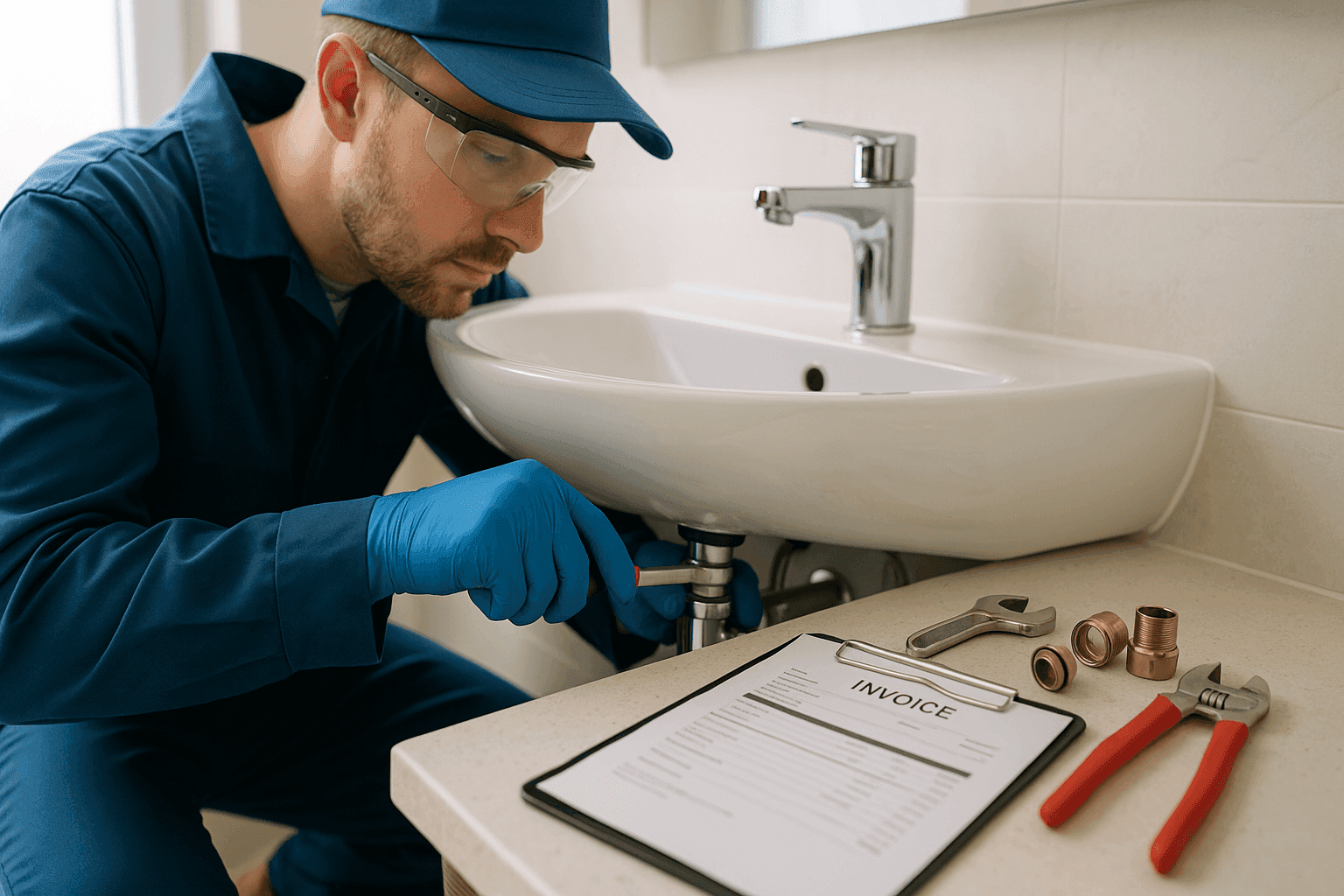
Your bathroom’s supposed to be a haven. But when something goes wrong—water pooling under the sink, a toilet that won’t flush, the shower suddenly ice-cold—it’s more like a ticking clock. Every drip and gurgle means stress. And the big question: How much is this going to cost me?
At Rooter Kings Plumbing, we’ve helped thousands of homeowners just like you—families who want straight answers, a fair approach, and no pressure. Below, you’ll find a homeowner’s roadmap: what to expect, what drives the price, and how to avoid surprises when you need emergency plumbing or routine bathroom plumbing near you.
Typical Bathroom Plumbing Repairs 🚿
Bathroom plumbing covers a lot more than meets the eye. Some problems are obvious; others sneak up on you. Here’s what we fix most often:
- Leaky faucets and pipes: Dripping water can keep you up at night—and drive up your bill.
- Clogged drains or toilets: Whether it’s a slow tub drain or a stubborn toilet, blockages are a common headache.
- Running or leaky toilets: That constant fill sound? It’s wasting water and money.
- Fixture replacement: Sinks, faucets, showerheads, even entire vanities—fixtures wear out or get damaged.
- Low water pressure: Showers that barely trickle or sinks that take forever to fill.
- Water heater troubles: Cold showers, strange noises, or rusty water often trace back to the heater.
- Sewer line issues: Bad smells, gurgling drains, or water backing up can all point to something deeper.
Some repairs are quick fixes. Others—like repiping or major sewer repairs—can be more involved, especially if you have an older home.
Cost Breakdown by Issue (Leaks, Clogs, Fixture Replacement)
Bathroom plumbing costs can range from “just a couple of coffees” to “ouch, that stings.” Here’s a rough breakdown, based on national averages and our experience:
Leaks
- Small leaks (faucets, under-sink pipes): $125–$350 for detection and basic repair. The cost rises if the leak is hidden or has caused water damage.
- Major leaks (walls, slab, or ceiling): $500–$2,000+, especially if drywall or flooring repairs are needed.
Clogs
- Toilet or sink clogs: $100–$275 for standard snaking or plunging.
- Deep drain clogs or recurring blockages: $300–$600 if special equipment or camera inspections are needed.
Fixture Replacement
- Basic faucet or showerhead swap: $150–$400, depending on part quality.
- Toilet replacement: $250–$700, including disposal of the old unit.
- Full shower or tub install: $1,000–$5,000+, varies with style and plumbing complexity.
Tip: Emergency plumbing services or after-hours calls may add 20–50% to the price. Parts, travel, and local labor rates also play a role.
What Factors Affect Cost (Parts, Labor, Urgency, Location) 🛠️
Think of your bathroom plumbing repair like fixing a car: the final bill depends on a mix of ingredients.
- Parts: High-end fixtures or specialty parts cost more. Standard options are more budget-friendly.
- Labor: Skilled plumbing is hands-on work. Labor rates reflect training, experience, and insurance.
- Urgency: Late-night or holiday emergencies will cost more. Planning ahead is usually cheaper.
- Location: Plumbing costs in major cities tend to be higher than in rural areas, reflecting cost of living and travel time.
- Accessibility: If your pipes are easy to reach, the job’s faster. If the plumber has to cut through walls or flooring, expect higher labor costs.
- Scope: A simple repair is quick. If the issue’s widespread (like old pipes throughout the house), it’s a bigger project.
Local Note: Bathroom plumbing near you may be influenced by regional code requirements. Always check that your plumber follows state and local regulations—Rooter Kings Plumbing does.
How to Get an Accurate Estimate
Nobody likes sticker shock. Here’s how to keep your budget in check:
- Describe the problem clearly: Is it a slow leak, a sudden flood, or a fixture that won’t work?
- Take photos: A picture of the issue (and the surrounding area) helps plumbers give more precise estimates.
- Ask for a written quote: This should include parts, labor, and any potential extra charges.
- Check for hidden fees: Ask about trip charges, diagnostic fees, or after-hours rates.
- Compare apples to apples: Make sure you’re comparing the same scope of work and quality of parts.
- Ask about warranties: A reputable plumber will stand behind their work and explain what’s covered.
Tip: The best plumbers are transparent about pricing, brands, and timelines. At Rooter Kings Plumbing, we’ve worked with every major fixture and part on the market—so you get clear answers, not guesswork.
Why Quality Matters
Cutting corners with plumbing is like patching a leaky boat with tape. It might work for a while, but you’ll end up wetter—and poorer—in the long run.
- Longer-lasting repairs: Quality work means fewer repeat visits and less worry.
- Safety first: Faulty plumbing can lead to mold, structural damage, or even electrical hazards (especially with water heaters and boilers).
- Warranty: A solid warranty protects your investment and gives you peace of mind.
- Code compliance: Licensed plumbers follow building codes and safety guidelines, like those from the International Association of Plumbing and Mechanical Officials (IAPMO).
- Experience with brands: From Delta to Kohler, Moen to American Standard, seasoned plumbers know how to handle a wide range of fixtures and parts.
Remember: The cheapest fix often becomes the most expensive mistake. It’s worth paying for craftsmanship and accountability.
Typical Bathroom Plumbing Repairs
Every home is different, but the most common bathroom plumbing issues come up again and again. You might see:
- Constantly dripping faucets that waste gallons of water every week.
- Toilets that run, leak, or refuse to flush.
- Showers and tubs that drain too slowly, turning your morning routine into a slog.
- Pipes that rattle, groan, or leak, sometimes only when you’re not watching.
- Water pressure that’s strong one day and weak the next.
Some problems are minor annoyances. Others can spiral into major headaches—fast.
Cost Breakdown by Issue (Leaks, Clogs, Fixture Replacement)
Let’s dig a little deeper into where your money goes. Plumbing isn’t just about wrenches and pipes. Here’s how repair costs typically stack up:
Leaks
A small leak under the sink is usually a quick fix. But if water’s seeping into your walls or floors, the repair gets more complicated and expensive. Detecting hidden leaks may require specialized tools, which adds to the cost.
Clogs
Unclogging a toilet or sink is usually on the lower end of the pricing scale—unless there’s something blocking the main sewer line. In that case, a camera inspection or power auger is often required.
Fixture Replacement
Replacing a faucet or showerhead is straightforward. Swapping out an old, corroded toilet or installing a new tub can take more time and skill.
Fun Fact: According to the Environmental Protection Agency (EPA), a leaky faucet dripping at one drip per second can waste over 3,000 gallons of water per year.
What Factors Affect Cost (Parts, Labor, Urgency, Location) 🏠
It’s not just about the problem—it’s about the puzzle pieces that go into the fix:
- Parts: Fancy fixtures or rare pipe sizes cost more.
- Labor: More complex jobs or hard-to-reach spots mean higher labor charges.
- Urgency: Emergency plumbing calls—especially at night or on weekends—cost extra.
- Location: Urban areas may see higher rates due to living costs and travel time.
- Accessibility: If your plumbing is buried behind tile or inside a wall, expect added time and expense.
- Extent of damage: A quick clog is cheap. A sewer line filled with tree roots? Not so much.
How to Get an Accurate Estimate 📸
Getting a good estimate is like measuring twice before you cut. Here’s how to do it right:
- Describe the issue in detail: “My toilet is leaking from the base every time I flush.”
- Provide photos if possible: Snap a clear picture of the leak, clog, or damaged fixture.
- Ask for itemized pricing: Labor, parts, diagnostics—see what you’re paying for.
- Clarify after-hours rates: Some plumbers charge more on weekends or holidays.
- Request info on warranties or service guarantees: Know what’s covered and for how long.
Tip: A reputable plumber will never shy away from questions about pricing or parts. At Rooter Kings Plumbing, we’re happy to explain every line item—so you know exactly what you’re paying for.
Why Quality Matters ✨
Think of plumbing as the backbone of your home. Shoddy repairs are like loose screws in a chair—they’ll give out when you least expect it.
- Durability: Well-done repairs last longer and save you money over time.
- Safety: Especially with gas lines, water heaters, and sewer lines, proper repairs prevent hazards.
- Peace of mind: Warranties and transparent pricing mean fewer surprises.
- Brand knowledge: We’ve seen every style and brand out there—so you get the right fix for your home.
Pro Tip: Quality plumbing work is an investment in your home’s value and your family’s health.
Quick Safety Checklist for Bathroom Plumbing Issues
Before you try to fix anything—or call in help—check these basics:
- Shut off the water: Know where your main shut-off valve is. If water’s gushing, turn it off.
- Avoid electrical hazards: Don’t touch outlets or switches if there’s standing water.
- Watch for gas smells: If you smell gas, leave immediately and call emergency services.
- Wear gloves: If handling wastewater, protect yourself from bacteria.
- Don’t ignore the problem: Small leaks can lead to mold, rot, and costly repairs.
DIY vs. Call a Pro
Some repairs are “weekend warrior” friendly. Others are best left to the pros.
DIY-friendly:
- Replacing showerheads or faucet aerators.
- Unclogging minor sink drains with a plunger.
Call a pro for:
- Persistent or hidden leaks.
- Major clogs (especially if multiple fixtures are slow).
- Water heater, boiler, or gas line issues.
- Anything that involves cutting pipes or opening walls.
Remember: Plumbing codes exist for a reason. Professional plumbers follow safety guidelines from sources like the Uniform Plumbing Code (UPC).
How Pros Tackle Bathroom Plumbing Repairs
When you call Rooter Kings Plumbing, here’s what happens:
- Assessment: We listen to your concerns and inspect the problem area.
- Diagnosis: Using tools (sometimes cameras or leak detectors), we pinpoint the real issue.
- Estimate: We break down the cost—parts, labor, and any extras—so there are no surprises.
- Repair: We fix it right the first time, using the correct tools and methods for your fixtures and pipes.
- Cleanup: We respect your home, leaving it as tidy as we found it.
- Follow-up: We explain what was done, check for other issues, and answer your questions.
Prevention & Maintenance 🧰
The best repair is the one you never need. Here’s how to keep bathroom plumbing trouble at bay:
- Inspect fixtures regularly: Look for drips, rust, or signs of wear.
- Don’t ignore slow drains: Tackle clogs early—before they get worse.
- Be gentle on pipes: Avoid harsh chemicals; use drain screens to catch debris.
- Check water pressure: Too high or too low? It could spell trouble.
- Annual plumbing check-ups: An ounce of prevention saves a pound of hassle—and cash.
Fact: The American Society of Home Inspectors recommends annual plumbing inspections to spot issues before they become emergencies.
Costs & Time Factors (Ranges, Not Quotes)
While every job is unique, here’s what most homeowners can expect:
- Minor repairs: $100–$500. Leaky faucets, small clogs, or simple fixture swaps.
- Moderate repairs: $500–$1,500. Hidden leaks, toilet replacements, or shower valve repair.
- Major repairs: $1,500–$5,000+. Full repiping, sewer line work, or major fixture installations.
Time: Minor jobs can be done in an hour or two. Bigger projects may take a day or more.
Emergency plumbing: Expect a premium—especially for nights, weekends, or holidays. But fast action can prevent bigger bills down the line.
When It’s an Emergency 🚨
Some bathroom plumbing problems just can’t wait:
- Water flooding from a burst pipe or failed fixture.
- Sewage backing up into your tub, toilet, or sink.
- No hot water for showers or cleaning.
- Gas smells near your water heater or boiler.
If you’re facing any of these, call emergency plumbing services immediately. Fast response can mean the difference between a quick fix and major water damage.
FAQ: Common Bathroom Plumbing Repair Questions
Q: How do I know if my leak is serious? A: If you see steady water, hear hissing, or notice mold or soft spots, call a professional. Even small leaks can cause hidden damage.
Q: Can I use chemical drain cleaners for clogs? A: It’s better to avoid them. They can damage your pipes and don’t always clear tough blockages.
Q: How long do bathroom fixtures usually last? A: Quality faucets and toilets can last 10–20 years, but seals, washers, and valves may need replacing sooner.
Q: Are bathroom plumbing repairs covered by insurance? A: Sometimes. Sudden, accidental damage is often covered. Wear and tear usually isn’t. Check your policy or ask your insurer.
Local & Seasonal Considerations
Where you live—and when—can affect plumbing costs and needs.
- Cold climates: Freeze-thaw cycles can stress pipes, leading to leaks or bursts.
- Older homes: May have outdated or corroded pipes that need extra care.
- Storm seasons: Heavy rain or flooding can overwhelm sump pumps and sewer lines.
Rooter Kings Plumbing is experienced with all kinds of homes, climates, and fixture brands. We follow local codes and use parts designed to handle your region’s demands.
No two bathrooms—or budgets—are the same. But with the right information, you can plan, prioritize, and protect your home. If you’re facing a bathroom plumbing problem, big or small, let’s make it right.
Call Rooter Kings Plumbing now — or reach us anytime at 877-359-8413 .