How to Maintain Your Home Plumbing System Year-Round
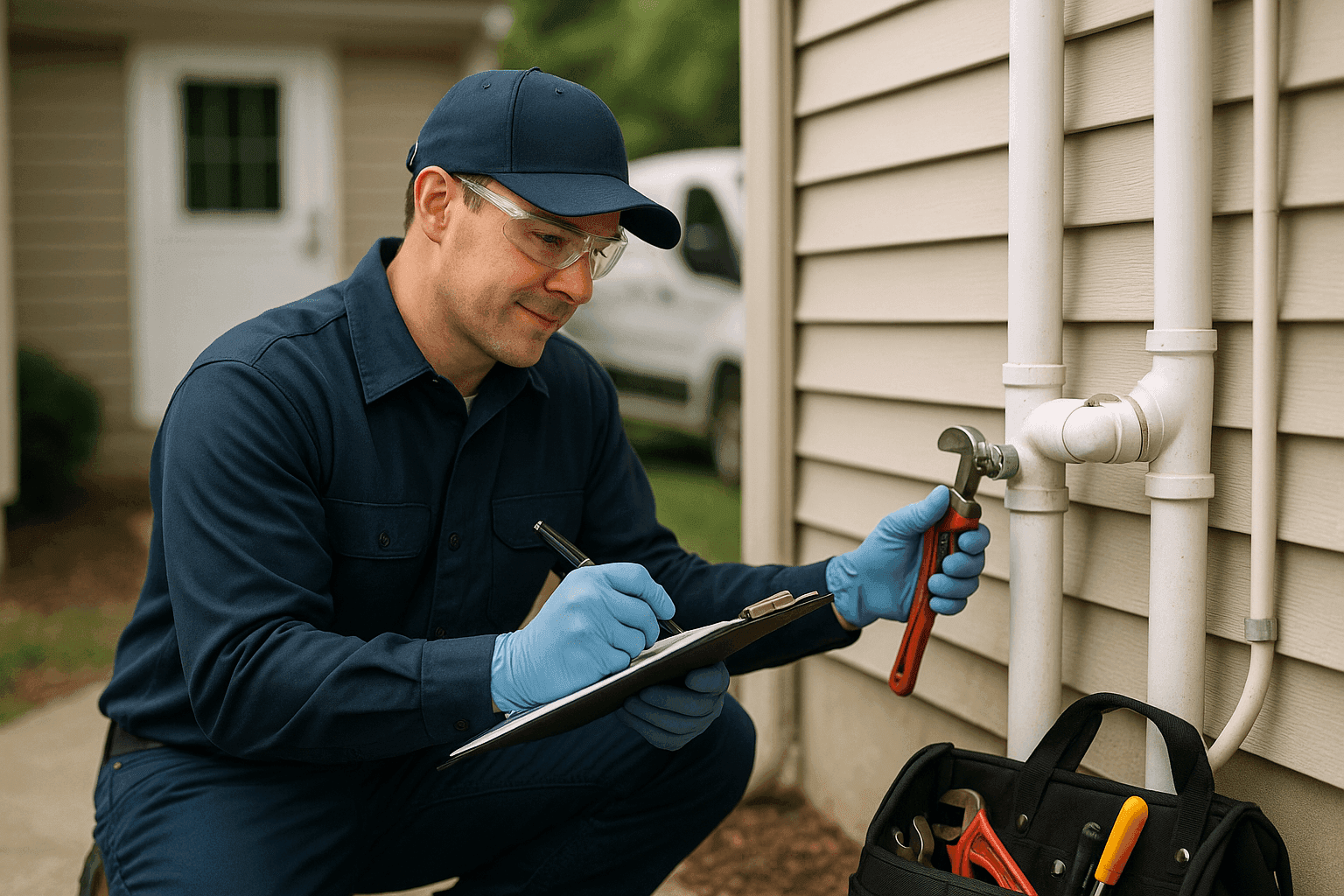
Keeping your plumbing system healthy isn’t just about fixing leaks or unclogging drains when things go wrong. It’s about building good habits—like brushing your teeth, but for your pipes. Small, regular steps can save you from the stress and expense of a sudden plumbing disaster.
At Rooter Kings Plumbing, we’ve seen firsthand how a little attention throughout the year goes a long way. Whether you own a cozy home or manage a busy small business, the right maintenance keeps water clean, bills low, and emergencies at bay.
Seasonal Plumbing Maintenance Tips 🛠️
Just like your car needs a tune-up before a road trip, your plumbing system needs a check as seasons change. Each season brings its own challenges—and opportunities to prevent trouble.
Winter: Protect Pipes from the Big Freeze
- Insulate exposed pipes in basements, crawl spaces, and attics. Foam sleeves work wonders.
- Disconnect garden hoses and shut off exterior faucets. Water left inside can freeze and burst pipes.
- Let faucets drip on especially cold nights. A tiny trickle keeps water moving, preventing freezing.
- Know where your main shut-off valve is. If a pipe bursts, you’ll want to turn off water fast.
Spring: Check for Winter Damage
- Look for leaks around pipes and fixtures. Even a small drip adds up.
- Test sump pumps before spring rains. Pour a bucket of water in—if it doesn’t kick on, call for help.
- Inspect outdoor faucets for cracks or leaks as you turn them back on.
Summer: Tackle High Water Use
- Check washing machine hoses for bulges or leaks. Summer laundry piles up quick.
- Clear slow drains before guests arrive for barbecues or family gatherings.
- Look for signs of sewer line trouble, like gurgling toilets or smelly drains, as tree roots grow fast this time of year.
Fall: Prep for Cold Weather
- Flush water heaters to remove sediment buildup. This helps efficiency and extends lifespan.
- Inspect and clean gutters to keep water away from your foundation and basement.
- Schedule a professional inspection if you notice low water pressure or slow drains.
Common Plumbing Problems to Watch For
Plumbing problems often start small—like a pebble in your shoe. Ignore them, and you get blisters. Catch them early, and you avoid a limp.
- Leaks: Dripping faucets, running toilets, or damp spots on walls can signal hidden leaks. According to the Environmental Protection Agency (EPA), the average household’s leaks can waste nearly 10,000 gallons of water each year.
- Clogs: Slow drains in sinks, showers, or toilets mean a blockage is forming. Clogs can lead to backups and even burst pipes.
- Water Pressure Issues: Sudden drops or surges in water pressure can point to pipe corrosion, leaks, or municipal supply problems.
- Strange Noises: Banging, gurgling, or whistling can mean air in the pipes, loose fittings, or mineral buildup.
- Discolored Water: Rusty or cloudy water isn’t just unpleasant—it can signal corroded pipes or sediment in your water heater.
Preventative Maintenance Routines
Think of preventative maintenance like regular exercise: it keeps everything running smoothly and catches small issues before they become big ones.
Drain Cleaning
- Once a month, flush drains with hot (not boiling) water.
- Avoid chemical drain cleaners. They can eat away at pipes and cause more harm than good.
- Use a drain strainer in sinks and showers to catch hair and debris.
Fixture Inspections
- Check under sinks for puddles or moisture.
- Test shut-off valves by turning them off and on. Stuck valves are useless in an emergency.
- Look for corrosion around fixtures and connections.
Water Heater Care
- Drain a few gallons from your water heater every six months to remove sediment.
- Check the temperature setting. 120°F is hot enough for comfort and safety, according to the U.S. Department of Energy.
- Listen for popping or rumbling sounds, which can signal sediment buildup.
Garbage Disposal Tips
- Run cold water while using the disposal.
- Avoid fibrous foods (like celery) and grease, which can clog blades.
- Freshen with ice cubes and citrus peels to keep odors away.
Backflow Prevention
- Schedule annual backflow testing if your property has a sprinkler or irrigation system.
- Install backflow preventers where required by plumbing codes.
Emergency Preparedness
Plumbing emergencies strike fast—like a thunderstorm out of nowhere. Preparation is your umbrella.
Early Leak Detection
- Install water leak detectors near water heaters, washing machines, and under sinks.
- Learn to read your water meter. A spike in usage can signal a hidden leak.
- Know your main shut-off valve location. In an emergency, seconds matter.
When to Call a Professional
- Burst pipes
- Sewage backups
- No water or very low pressure
- Gas line smells or leaks
- Water heater leaks
Trying to fix these yourself can be risky. Licensed plumbers have the tools and training to handle emergencies safely, following standards set by organizations like the Uniform Plumbing Code and Occupational Safety and Health Administration (OSHA).
Cost-Saving Benefits of Regular Upkeep
Routine maintenance isn’t just about safety—it’s about saving money. Fixing a small leak can cost far less than repairing water damage from a major flood. According to the Insurance Information Institute, water damage is one of the most common and costly claims for property owners.
- Lower water bills: Even a slow drip adds up over time.
- Fewer emergency plumbing calls: Preventative care means fewer late-night surprises.
- Longer lifespan for appliances: Water heaters, dishwashers, and washing machines last longer with clean, steady water flow.
Safety Considerations
Working with plumbing means dealing with water, electricity, and sometimes gas. Always:
- Turn off power to water heaters before maintenance.
- Wear gloves and eye protection when handling chemicals or tools.
- Never ignore the smell of gas. Leave the building and call for help immediately.
For jobs involving gas lines, sewer repairs, or major leaks, always call a licensed plumber. National safety codes exist for a reason—they protect your property and your health.
Frequently Asked Questions
How often should I schedule a professional plumbing inspection?
Most homes and small businesses benefit from an annual inspection. If your property is older or you’ve had frequent problems, consider twice a year.
Can I use chemical drain cleaners for clogs?
It’s best to avoid them. Chemical cleaners can damage pipes and harm the environment. Try a plunger or a drain snake, and call a plumber if the clog persists.
What’s the best way to prevent frozen pipes?
Insulate exposed pipes, disconnect hoses, and keep a trickle of water running during freezing weather.
How can I tell if I have a hidden leak?
Watch for unexplained increases in your water bill, damp spots on walls or floors, or the sound of running water when everything is off.
Special Considerations for Small Businesses
Small businesses often have higher water usage and stricter health codes. Schedule regular backflow testing, keep restrooms and kitchens in top shape, and train staff to spot early warning signs—like slow drains or leaking fixtures. Quick action keeps your doors open and customers happy.
A little maintenance goes a long way. If you spot a plumbing problem or need help with preventative care, don’t wait for an emergency. Call Rooter Kings Plumbing now — or reach us anytime at 877-359-8413 .