How to Prevent Frozen Pipes During Winter
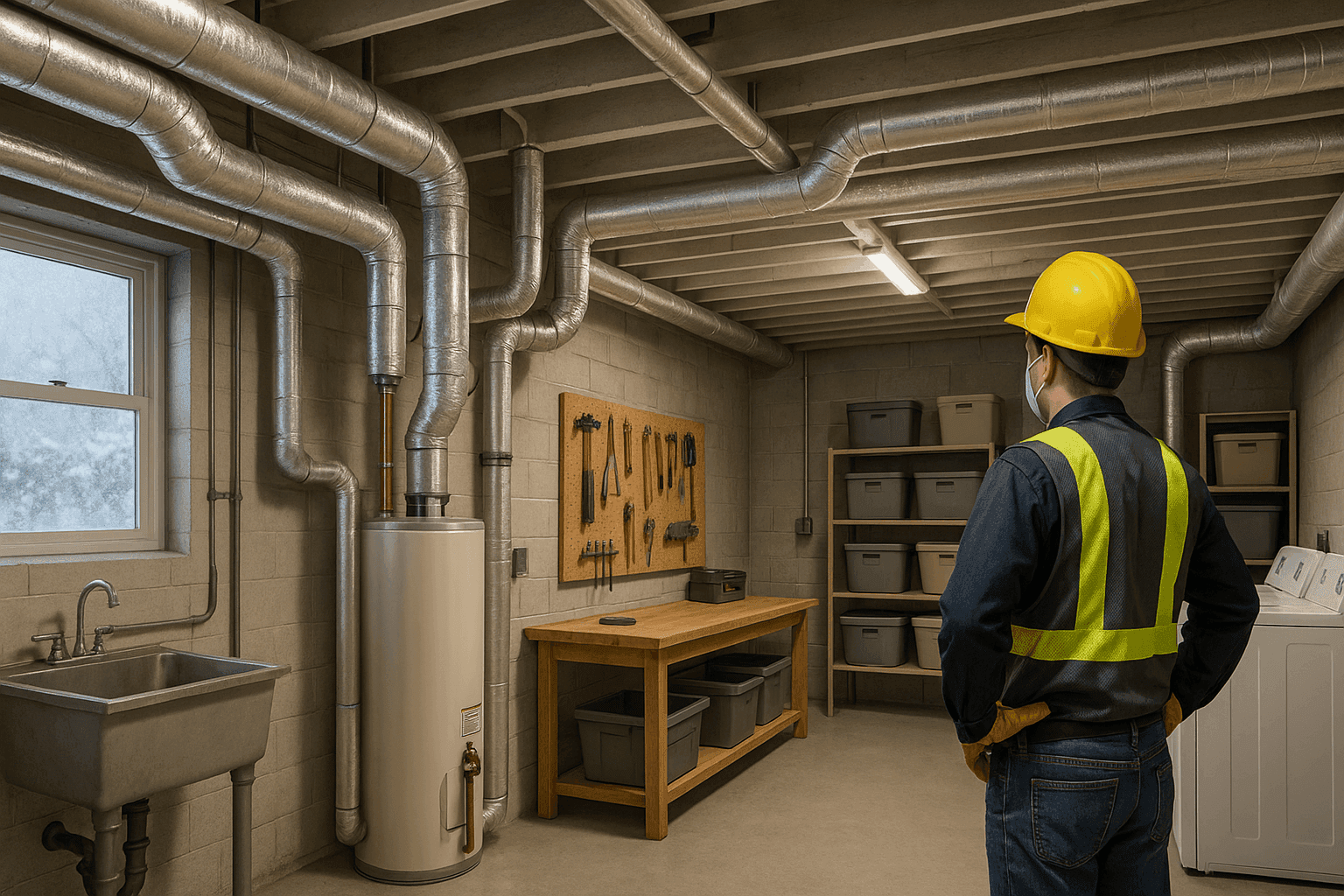
Winter is beautiful—until your pipes turn into popsicles. If you’ve ever woken up to no water, a burst pipe, or the sound of water rushing where it shouldn’t be, you know: frozen pipes are no joke. Here at Rooter Kings Plumbing, we see the aftermath every winter. Homeowners call us at all hours for emergency plumbing. We get it. You want your house warm, dry, and safe.
You don’t need to be a plumber to protect your home. You just need good info, a little prep, and a plan for when things go wrong. Let’s break it down.
Why Pipes Freeze ❄️
When the temperature drops, pipes act like soda cans left in the freezer. Water expands as it turns to ice. If that water is trapped in your pipes, pressure builds—until something gives. Usually, it’s the weakest part of the pipe or a joint.
Frozen pipes can burst in hours or days. It doesn’t matter if your house is brand new or a century old. According to the International Plumbing Code and the American Red Cross, pipes start to risk freezing when the temperature hits 20°F (-6°C) or lower—especially in unheated spaces.
But it’s not just the deep freeze. Wind, drafts, and even poorly insulated pipes in “mild” climates cause trouble. Sometimes, one cold snap is all it takes.
High-Risk Areas in Most Homes 🏠
Most pipes don’t freeze right in the middle of your living room. They freeze in places you rarely see:
- Basements and crawl spaces
- Attics and garages
- Pipes running along exterior walls
- Under kitchen or bathroom sinks (especially near outside walls)
- Unheated additions or sunrooms
If you live in a northern climate, you probably already know where your cold spots are. Southern homes—watch out! Pipes are sometimes left exposed, since deep freezes are rare but not impossible.
DIY Prevention: What You Can Do Now
You don’t need a toolbox full of gadgets. You just need a few smart habits and supplies. Here’s what works:
1. Insulate, Insulate, Insulate
- Use foam pipe sleeves or heat tape (UL-listed).
- Focus on pipes in unheated spaces: basements, crawl spaces, attics, garages.
- Even a few minutes with pipe wrap can save you thousands in repairs.
2. Let Faucets Drip
- A slow trickle keeps water moving, which makes freezing less likely.
- Focus on taps served by exposed pipes.
3. Watch Your Thermostat
- Keep your home at least 55°F (13°C), even if you’re away.
- Open cabinet doors under sinks to let warm air circulate.
- Don’t turn off the heat completely during vacations.
4. Seal Drafts
- Caulk cracks and holes near pipes on exterior walls.
- Replace worn weatherstripping around windows and doors.
5. Know Where Your Main Shutoff Is
- If a pipe bursts, you’ll need to turn off your water fast.
- Teach everyone in your household where the main shutoff lives.
Quick Prevention Checklist
- [ ] Insulate pipes in cold spaces
- [ ] Let faucets drip during cold snaps
- [ ] Keep thermostat steady (never below 55°F)
- [ ] Seal up drafts and cracks
- [ ] Open cabinets under sinks near exterior walls
- [ ] Locate your main water shutoff
What to Do if a Pipe Freezes 🚨
It happens. Maybe you forgot. Maybe the cold was harsher than expected. If you turn on a faucet and get a trickle—or nothing—here’s your plan:
- Leave the faucet open. Pressure relief is key. As you thaw the pipe, water may start to flow.
- Warm the pipe gradually. Use a hair dryer, space heater, or warm towels. Start near the faucet and work back.
- Never use an open flame. No blowtorches. No propane heaters. It’s dangerous and can damage pipes or start fires.
- Check for leaks. If a pipe burst, you may see water, hear hissing, or notice stains on walls and ceilings.
- Shut off the water if you see a leak. Turn off the main valve and call for emergency plumbing help.
If you can’t find the frozen area, can’t thaw it, or spot a leak—call Rooter Kings Plumbing right away. We’re licensed, insured, and ready for winter emergencies.
When to Call a Pro 👷
Sometimes DIY just isn’t enough. Call a plumber if:
- Pipes are frozen and you can’t locate or reach the frozen section.
- Thawing isn’t working or you notice bulging pipes.
- Water is leaking or spraying—big or small, it means a burst.
- You have no running water for more than a few hours.
- You’re not sure what to do and want to avoid bigger damage.
Rooter Kings Plumbing is here for emergency plumbing, pipe repair, leak detection, and more. Winter doesn’t wait, and neither do we.
Prevention for Different Climates
Northern Homes
- Insulate all vulnerable pipes—don’t skip crawl spaces or attics.
- Consider heat cables for critical pipes.
- Keep garage doors closed as much as possible.
- Regularly check for drafts and cold spots.
Southern Homes
- Pipes may be more exposed—check garages, utility rooms, and crawl spaces.
- Sudden cold snaps can catch you off guard. Be proactive as soon as temperatures drop.
- Wrap outdoor faucets and disconnect hoses.
No matter where you live, a little attention now can keep winter from becoming a plumbing nightmare.
Rooter Kings’ Seasonal Services
Winter is our busy season, but we’re always ready. Our licensed and insured team handles:
- Emergency plumbing 24/7
- Pipe repair and repiping
- Leak detection and repair
- Boiler and water heater repairs
- Preventative maintenance checks
We arrive with the right tools, years of experience, and know-how built for winter’s worst.
Frequently Asked Questions
How cold does it have to be for pipes to freeze?
Most pipes risk freezing when temperatures hit 20°F (-6°C) or below. Drafts and wind can make pipes freeze even when it’s slightly warmer.
Can I use a space heater to thaw pipes?
Yes, but use caution. Keep the heater away from flammable materials and do not leave it unattended. Never use an open flame.
Will letting faucets drip really help?
Absolutely. The moving water makes it harder for pipes to freeze, especially during the coldest nights.
Is pipe insulation worth it?
Yes—pipe insulation is one of the cheapest and most effective ways to prevent frozen pipes, according to the International Plumbing Code and the American Red Cross.
Don’t Wait for a Winter Disaster
Pipes don’t care if it’s a holiday or 3 AM. If you suspect a freeze, spot a leak, or just want peace of mind, reach out. Rooter Kings Plumbing handles bathroom plumbing, water heater repair, leak detection, emergency plumbing, and more. Licensed, insured, and ready for whatever winter throws your way.
Call Rooter Kings Plumbing now — or reach us anytime at 877-359-8413 .