Water Leak Repair: Methods, Costs, and Prevention
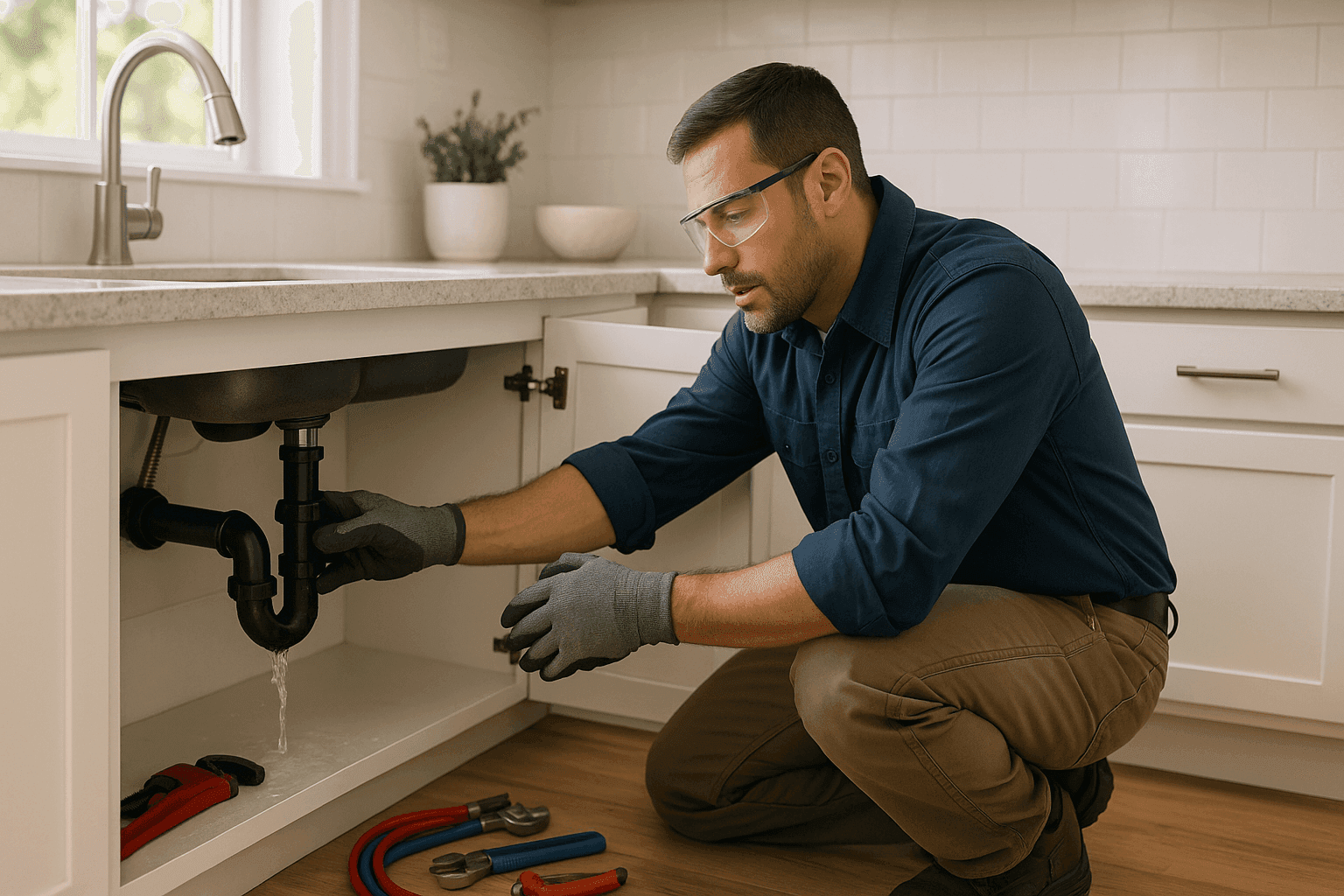
Water leaks don’t wait for a good time. They sneak up on you—sometimes as a slow drip under the bathroom sink, sometimes as a sudden burst pipe at midnight. At Rooter Kings Plumbing, we’ve seen the stress, mess, and expense leaks can cause. But you’re not alone. Quick action and the right know-how can turn a plumbing panic into a manageable fix.
Whether you’ve spotted a puddle by your water heater, noticed a drop in water pressure, or heard the telltale hiss inside your wall, every leak is unique. Let’s walk through how leaks happen, how to fix them, and how to stop them from coming back.
Types of Water Leaks 🚰
Not all leaks are created equal. Some are bold and visible—a steady drip from a faucet, a spreading stain on the ceiling. Others lurk in the shadows, silent and hidden, quietly damaging drywall, insulation, or the subfloor before you even know they’re there.
Visible Leaks
- Faucets and Fixtures: The classic drip-drip-drip. Usually easy to spot and often caused by worn-out washers or loose fittings.
- Toilets: Water pooling at the base or constant running sounds can mean trouble.
- Under-Sink Pipes: A quick look under your kitchen or bathroom sink might reveal dampness or small puddles.
Hidden Leaks
- Inside Walls: That sudden musty smell? Maybe a bulging patch of paint? These are the leaks you can’t see—but your building materials can feel.
- Slab and Foundation Leaks: In regions with shifting soil or older homes, leaks can develop under concrete slabs or crawl spaces.
- Underground Pipes: Water bills climbing for no reason? Soft spots in the yard? These could be signs your main water line is leaking underground.
Why Leaks Happen
Every leak has a story. Common causes include:
- Aging Pipes: Pipes corrode, joints loosen, seals dry out.
- Extreme Weather: Freezing winters or sudden thaws can crack pipes, especially in unheated spaces.
- High Water Pressure: Like a firehose in a garden hose—too much pressure strains pipes and fixtures.
- Poor Installation: Shoddy work leads to loose connections and weak joints.
- Tree Roots: Invasive roots target underground lines, squeezing and breaking pipes in their search for water.
Repair Methods
No two leaks are exactly alike, so neither are their fixes. Here’s how professionals approach the problem:
Patching
For small, accessible leaks—like a pinhole in a copper pipe or a leaky hose bib—a patch might be all you need. Specialized clamps or epoxy putty can buy you time, but remember: patches are often temporary. They’re Band-Aids, not cures.
Replacement
Sometimes, a section of pipe or an entire fixture needs to be swapped out. This is common with older plumbing or when corrosion has eaten away at the metal. In bathrooms, replacing supply lines or toilet seals is a frequent fix.
Trenchless Repair
For underground or hard-to-reach leaks—think main water lines or sewer pipes—trenchless methods are a game-changer. Instead of tearing up your yard, pros use pipe lining or pipe bursting to repair or replace pipes with minimal disruption.
Emergency Plumbing Tools
- Pipe cutters and wrenches
- Leak detection sensors
- Moisture meters
- Thermal imaging cameras for hidden leaks
Rooter Kings Plumbing uses current best practices and follows the Uniform Plumbing Code for every repair.
Cost Factors 💸
How much will a leak repair set you back? It depends. Here’s what shapes the price:
Location
A leaky faucet costs less to fix than a broken pipe under your foundation. Accessibility matters—if a pro has to cut through drywall or dig up your yard, expect higher labor costs.
Severity
A slow drip might only need a new washer. A gushing pipe could mean significant water damage, mold remediation, and major repairs.
Access
Tight crawl spaces, thick walls, or concrete slabs increase both time and cost.
Regional Rates
Labor costs vary by area. Emergency plumbing services after hours or on holidays can also come with premium charges.
Material and Compliance
If code requires upgraded materials—like PEX or copper—that affects the bill. Local plumbing codes (based on International Plumbing Code standards) ensure repairs are safe and up to spec.
Typical Cost Ranges
- Small, accessible leaks (faucets, under-sink): Lower end of the scale
- Hidden or underground leaks: Higher end, especially if excavation or slab work is needed
- Fixture or full pipe replacement: Varies widely based on scope
Repairs may also be covered by homeowner’s insurance if the leak was sudden and accidental. It’s wise to check your policy and document damage as soon as you notice the problem.
Preventing Future Leaks 🛡️
An ounce of prevention is worth a gallon of cleanup. Here’s how to keep leaks at bay:
Regular Inspections
- Check under sinks and around fixtures monthly.
- Watch for unexplained water bills or pressure drops.
- Have your home’s plumbing inspected annually, especially if it’s over 30 years old.
Pipe Upgrades
Older homes with galvanized steel or polybutylene pipes are more prone to leaks. Upgrading to copper or PEX piping is a smart investment.
Water Pressure Management
Install a pressure regulator if your home’s water pressure is consistently above 80 psi. High pressure is a silent killer for pipes.
Seasonal Maintenance
- Insulate exposed pipes before winter.
- Disconnect outdoor hoses and drain spigots before the first freeze.
- Test your sump pump before heavy rains.
Backflow Prevention
Install and test backflow prevention devices to protect against contaminated water entering your home.
Rooter Kings Plumbing offers transparent pricing and backs repairs with clear, written warranties—so you know exactly what you’re paying for and what you’re getting.
Quick Safety Checklist
- Shut off the main water valve as soon as you spot a leak.
- Turn off electricity to affected areas to avoid shock.
- Move valuables and electronics out of harm’s way.
- Avoid wading through standing water, especially near outlets.
- Call a professional for leaks inside walls, ceilings, or near electrical wiring.
DIY vs. Call a Pro
Some leaks are simple. Replacing a washer or tightening a fitting is DIY-friendly if you’re handy. But:
- Hidden leaks, burst pipes, or sewer odors? Call an emergency plumbing service.
- If you’re dealing with gas lines or main water lines, it’s always safest to bring in licensed professionals.
Bathroom Plumbing near you should be ready for anything—Rooter Kings Plumbing is always on call.
What Pros Do On Arrival
When the Rooter Kings Plumbing team arrives, here’s what you can expect:
- Assessment: We identify the leak’s source using advanced detection tools.
- Damage Control: Quick shut-off, containment, and cleanup to prevent further harm.
- Repair Plan: Clear explanation of what needs to be fixed, options available, and transparent pricing up front.
- Repair Execution: Using materials and methods that meet local code.
- Final Inspection: We’ll test everything before we leave, so you can get back to normal life.
Costs & Time Factors
- Simple repairs: Usually take 1–2 hours.
- Hidden or multiple leaks: Can take longer, depending on access and damage.
- Typical costs: Range from minor service calls to more substantial investments for major repairs or repiping.
The National Association of Home Builders recommends regular plumbing maintenance to avoid unexpected costs.
When It’s an Emergency 🚨
You need emergency plumbing if:
- Water is gushing and won’t stop.
- There’s risk of electrical shock.
- Sewage is backing up into your home.
- You can’t locate or stop the leak.
In these cases, don’t wait. Shut off your water and call Rooter Kings Plumbing right away.
FAQ
How can I tell if I have a hidden leak?
- Listen for running water when all taps are off.
- Watch for unexplained mold, mildew, or water stains.
- Check your water meter—if it moves when everything’s off, you may have a leak.
Will homeowner’s insurance cover leak repairs?
Policies usually cover “sudden and accidental” leaks, not slow drips or maintenance issues. Document everything and call your insurer quickly.
How do I prevent leaks in winter?
- Insulate pipes.
- Keep a trickle running during cold snaps.
- Open cabinet doors to let warm air reach pipes.
What’s the best pipe material to prevent leaks?
PEX and copper are durable, but installation quality matters most. Follow local plumbing codes for best results.
Local & Seasonal Considerations
Weather plays a big part in leak risk. In colder regions, pipe freezes are a menace. In rainy areas, sump pumps and backflow prevention matter most. If you live where soil shifts—like clay-heavy or drought-prone areas—underground leaks are more common.
Check your homeowner’s insurance for region-specific exclusions and make sure you’re up to date on local plumbing codes. The International Association of Plumbing and Mechanical Officials (IAPMO) is a reputable source for code updates.
Call Rooter Kings Plumbing now — or reach us anytime at 877-359-8413 .