Pipe Installation Guide: Materials, Codes, and Best Practices
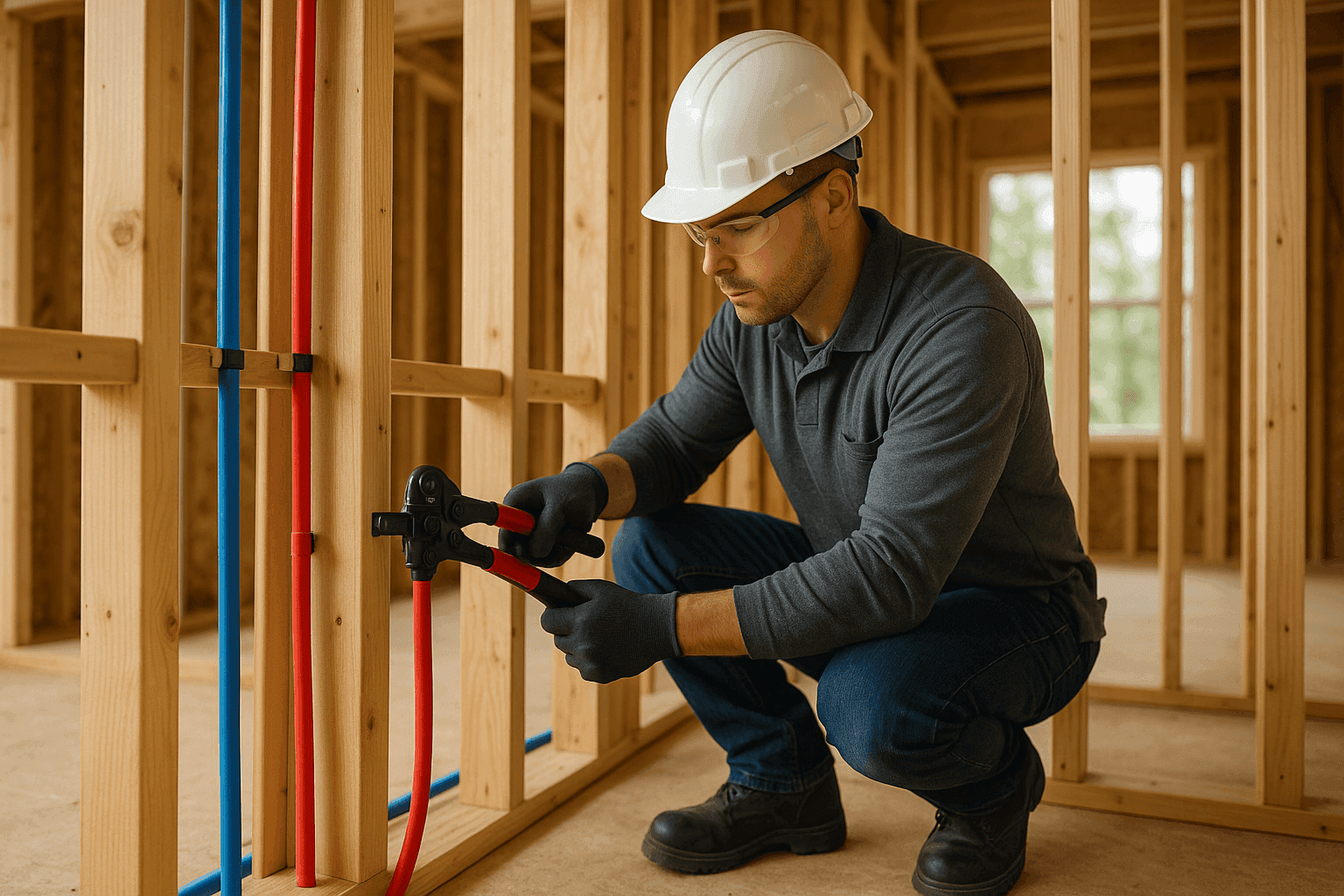
Most people don’t think about what’s behind their walls until water starts to drip, gurgle, or gush in the wrong place. Pipes are like your home’s arteries—they keep everything flowing. But when they fail, life comes to a screeching halt, fast. At Rooter Kings Plumbing, we know pipe installation isn’t just about tools and tubes. It’s about safety, comfort, and protecting your home.
Whether you’re building a new house, remodeling a bathroom, or facing an emergency plumbing situation, understanding what goes into pipe installation can help you make better choices—and avoid headaches down the road.
When to Install New Pipes 🚰
Pipes aren’t immortal. Like old shoes or tired batteries, they eventually need replacing. But when is it time to swap them out?
- New Builds: Starting fresh? Every wall, ceiling, and crawlspace is a blank canvas. Choosing the right pipes now sets your home up for decades of reliability.
- Renovations & Remodels: Updating a bathroom or kitchen? It’s smart to check the pipes. Older homes often hide corroded or outdated plumbing that won’t play well with modern fixtures.
- Aging Systems: Pipes made from galvanized steel, polybutylene, or even copper from decades ago can corrode, spring leaks, or just fall apart. If your home is over 40 years old, it’s time for an inspection.
- Frequent Leaks or Low Pressure: Chronic leaks, water stains, or weak flow? That’s your plumbing waving a white flag.
- Major Water Quality Issues: Rusty water, odd smells, or particles in the tap can signal deteriorating pipes.
Don’t wait for a river to run through your living room. Proactive pipe installation can save you from emergency plumbing disasters and expensive repairs.
Pipe Material Options
Not all pipes are created equal. The right material depends on your needs, budget, and even where you live. Let’s break down the big three:
Copper
The Classic Choice. For decades, copper has been the gold standard. It’s tough, resists bacteria, and handles heat like a champ.
Pros:
- Long lifespan (often 50+ years)
- Handles high pressure and heat
- Resists corrosion (except in acidic water)
Cons:
- Expensive
- Can corrode in certain soils or water conditions
- Requires soldering—best left to professionals
PEX (Cross-linked Polyethylene)
The Flexible Friend. PEX is like the garden hose of plumbing—bendable, easy to thread through tight spaces, and quick to install.
Pros:
- Budget-friendly
- Flexible—great for remodels and tight spots
- Resistant to freezing (less likely to burst)
- Fewer joints, fewer leaks
Cons:
- Sensitive to sunlight (UV can damage it)
- Can’t be connected directly to a water heater
- Not always accepted by every local code (double-check yours)
PVC (Polyvinyl Chloride)
The Lightweight Contender. PVC is used mostly for drain, waste, and vent lines—not for hot water supply.
Pros:
- Inexpensive
- Easy to cut and glue
- Won’t corrode
Cons:
- Not for hot water
- Brittle in freezing temps
- Can warp if exposed to direct sunlight
Honorable Mentions: CPVC (for hot water lines), galvanized steel (outdated, but sometimes found in old homes).
Installation Process
Installing new pipes isn’t just “connect A to B.” It’s a step-by-step process, more like assembling a complex puzzle than plugging in a lamp.
Sizing
Choosing the right diameter is crucial. Undersized pipes lead to weak water pressure—like trying to sip a milkshake through a coffee stirrer. Oversized pipes can mean wasted water and money.
Routing
A well-routed pipe run is like a good road map: direct, efficient, and free of unnecessary twists or dead ends. Plumbers look for:
- The shortest practical path
- Minimal sharp bends (to prevent flow loss)
- Accessible shutoffs and cleanouts
Code Checks
Every step is checked against the local plumbing code. This isn’t just red tape—codes are designed to keep your water clean, prevent leaks, and avoid dangerous cross-connections.
- Fixture Spacing: Proper distance between pipes and fixtures
- Support: Pipes must be securely fastened at regular intervals
- Slope: Drain pipes need the right angle to keep waste moving
The Rooter Kings Difference
Our team at Rooter Kings Plumbing brings not just tools, but a deep knowledge of every code detail. From the first measurement to the last inspection, we make sure your installation isn’t just functional—it’s safe, efficient, and built to last.
Code Compliance 🏗️
Plumbing codes aren’t just suggestions. They’re the law—set by organizations like the International Association of Plumbing and Mechanical Officials (IAPMO) and adopted by your local city or county.
Permits
Most pipe installations (especially new or major replacements) require a permit. It’s not just a formality—it protects you and ensures the work meets baseline safety standards.
Inspections
After installation but before walls are closed up, a city or county inspector checks the work. They look for:
- Leaks and pressure tests
- Proper materials and sizing
- Correct venting and drainage
Warranty
At Rooter Kings, we stand by our work. Our installations are done to code, and we provide a clear record of what was installed and why. If you ever sell your home, this paperwork can be a big plus.
Why Codes Matter
Think of plumbing codes like the rules of the road. They keep everyone safe, even if you can’t see the dangers. Skipping permits or inspections can lead to denied insurance claims or trouble during resale. Always insist on code-compliant work.
Local and Seasonal Considerations
Plumbing isn’t one-size-fits-all. Where you live shapes how pipes are installed and what materials work best.
Cold Climates: Freezing
If winters are brutal, pipes need extra protection. We route water lines away from exterior walls, add insulation, and use materials like PEX that can flex if frozen.
Earthquake Zones: Seismic Safety
Live near a fault line? Flexible joints, seismic bracing, and secure anchoring keep pipes from snapping during a tremor. California, for example, has strict seismic plumbing codes.
Soil Conditions
Certain soils—like clay or those high in minerals—can corrode metal pipes faster. In these regions, plastics like PEX or PVC may be safer.
High Water Tables
Areas prone to flooding or with high groundwater need extra care with waterproofing and backflow prevention.
Rooter Kings Plumbing always assesses your local risks before starting any project.
Safety Checklist Before You Start 🛠️
Before a single pipe goes in, here’s a quick checklist:
- Check for existing gas, electric, or water lines (call 811 before you dig)
- Shut off water at the main valve
- Wear safety goggles and gloves
- Ensure proper ventilation if soldering or gluing
- Confirm all materials meet local code
- Double-check permits and inspection schedule
A little prep can prevent a big disaster.
DIY vs. Call a Pro
Sure, there are plumbing projects you can tackle on your own. Tightening a loose faucet? Go for it. But pipe installation is a bigger beast.
DIY
- Smaller repairs (like fixing a loose P-trap or swapping a showerhead)
- Temporary fixes while waiting for an emergency plumbing visit
Call a Pro
- Whole-house repiping
- Pipe installation for remodels or additions
- Any work involving gas lines
- Projects requiring permits or inspections
If you’re ever in doubt, it’s safer (and often cheaper in the long run) to call a professional plumber.
What Pros Do On Arrival
When Rooter Kings Plumbing shows up, here’s what you can expect:
- Assess the scope—what needs replacing or installing
- Inspect for hidden damage or code violations
- Map out the best routing for new pipes
- Protect nearby surfaces and belongings
- Use the right materials for your region and water quality
- Test everything before finishing up
We don’t just install pipes. We build peace of mind.
Prevention & Maintenance
Even shiny new pipes need some TLC:
- Watch for Leaks: Check under sinks and around exposed pipes every few months.
- Flush Water Heaters: Sediment can clog pipes; annual flushing helps.
- Insulate: Pipes in crawl spaces or against exterior walls benefit from extra insulation.
- Annual Inspections: A professional check-up can catch issues before they become emergencies.
Stay ahead of problems, and you’ll avoid surprise visits from the emergency plumbing team.
Costs & Time Factors
Time and money—two things everyone wishes they had more of. Pipe installation costs and duration depend on:
- Project Size: One bathroom vs. whole house
- Material Choice: Copper costs more than PEX or PVC
- Accessibility: Easier if walls are open; tougher (and more costly) in finished homes
- Local Code Requirements: More inspections or seismic protections can add time
Most bathroom plumbing near you can be done in a day or two, but larger repipes may take a week or more. Always plan for a little extra time—unexpected issues sometimes lurk behind walls.
When It’s an Emergency
Pipe burst? Water flooding your kitchen? That’s the moment for emergency plumbing, not DIY heroics.
- Shut off the main water valve
- Clear the area of valuables and electronics
- Call Rooter Kings Plumbing right away
Quick action can limit damage—and make repairs easier.
FAQ
How do I know what type of pipe I have?
Most pipes are color-coded or stamped with letters. Copper is reddish-brown, PEX is usually red, blue, or white, and PVC is white or gray. If you’re unsure, a professional inspection helps.
What happens if my pipes freeze?
Frozen pipes can burst, causing major leaks. If you suspect freezing, shut off the water and call a plumber. Thawing pipes yourself can be risky.
Are permits really necessary for pipe installation?
Yes. Permits ensure the work meets safety standards and is covered by insurance. Skipping permits can cause trouble during resale or insurance claims.
Can I mix different pipe types?
Sometimes, but special fittings are needed. Mixing metals (like copper and steel) can cause corrosion. A professional will know the safest way to connect different materials.
Local/Seasonal Considerations
Every region brings its quirks. In snowy areas, we insulate pipes like you’d bundle up for a blizzard. On the West Coast, we brace and flex for earthquakes. In swampy or flood-prone regions, we focus on waterproofing and backflow prevention.
Rooter Kings Plumbing always tailors pipe installation to your climate, soil, and water conditions. No two homes are exactly alike, and neither are their pipes.
Ready for a plumbing system you can count on? Call Rooter Kings Plumbing now — or reach us anytime at 877-359-8413 .