How to Prepare Your Plumbing for Seasonal Storms and Freezes
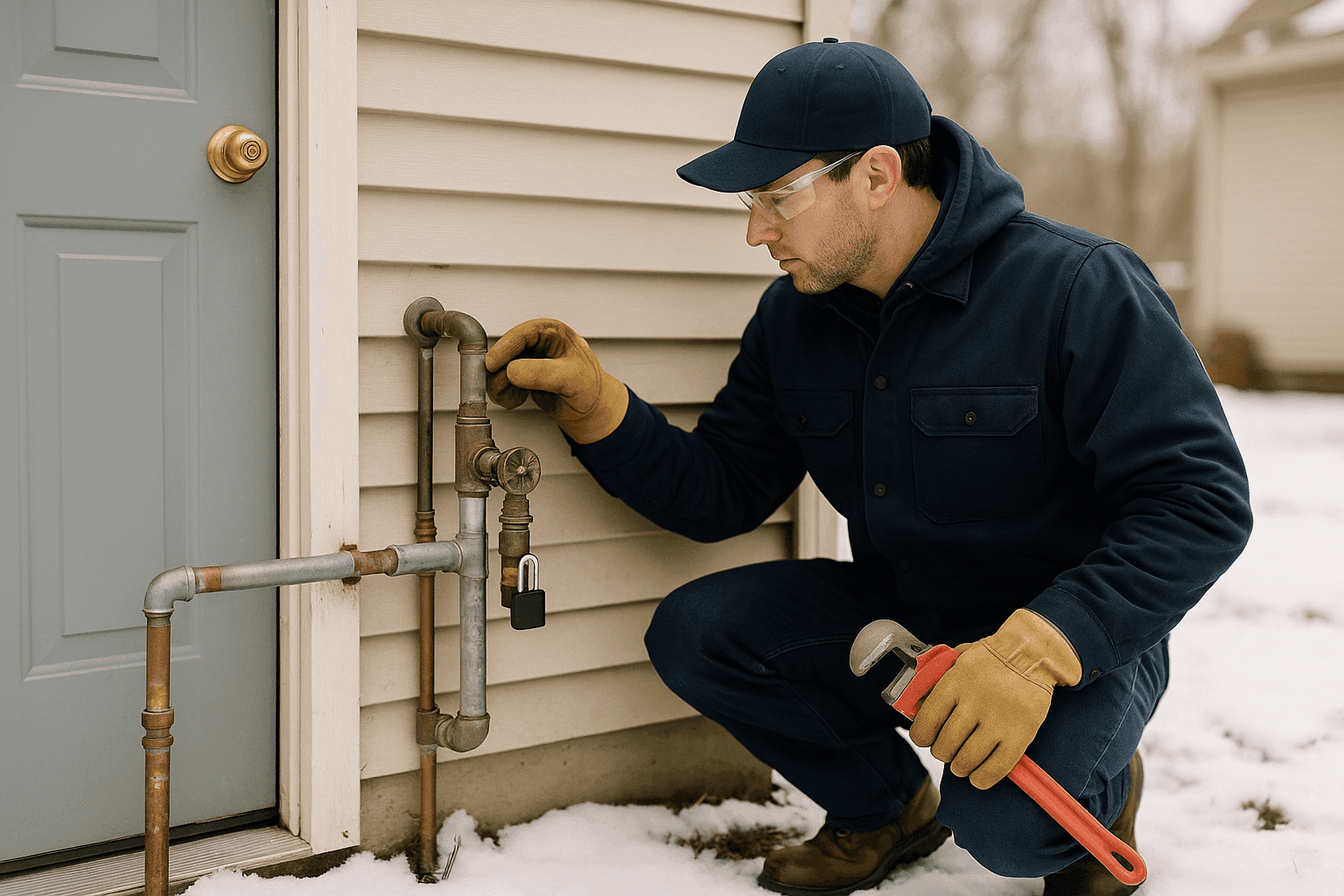
When the weather turns wild, plumbing can turn from faithful friend to foe in a heartbeat. A sudden freeze or heavy rainstorm puts pipes, drains, and fixtures to the test—sometimes with costly results.
At Rooter Kings Plumbing, we see what happens when people get caught off guard. But with a few smart steps, you can keep your plumbing running smoothly, no matter what the skies throw your way.
Why Storms and Freezes Threaten Your Plumbing
Think of your plumbing like the veins and arteries of your building. When the weather gets rough, those pipes are under pressure—literally. Freezing temperatures can turn water into ice, expanding inside pipes until they burst. Heavy rains can overwhelm drainage systems, pushing water where it doesn’t belong.
Common risks include:
- Frozen or burst pipes: Water expands as it freezes, splitting pipes from the inside.
- Clogged drains and backups: Stormwater can overload drains, especially if gutters or sump pumps aren’t ready.
- Leaks and water damage: Small cracks become big problems fast when pipes thaw or when stormwater finds a way inside.
Ignoring these risks is like leaving your front door open during a storm—sooner or later, trouble walks in.
Quick Safety Checklist Before the Weather Hits 📝
Before winter or storm season arrives, run through this checklist:
- Insulate exposed pipes in basements, attics, crawl spaces, and along exterior walls.
- Disconnect and drain outdoor hoses and shut off exterior faucets.
- Check sump pumps for proper operation and clear debris from pits.
- Seal gaps and cracks around pipes entering your home or business.
- Test your main water shut-off valve so you know it works in an emergency.
- Clear gutters and downspouts to direct water away from the foundation.
- Install backflow prevention devices if required by local code (see International Plumbing Code and Uniform Plumbing Code for guidance).
- Know your plumber’s emergency contact info—just in case.
These simple steps can make the difference between a minor inconvenience and a major headache.
Preparing Your Plumbing for Winter
Winter’s chill is no friend to pipes. Here’s how to keep yours safe:
Insulation Techniques
Wrap pipes in foam sleeves or fiberglass insulation, especially in unheated spaces. Pay special attention to pipes near exterior walls, garages, and crawl spaces. Even a thin layer can help keep the cold at bay.
Shutting Off and Draining Exterior Faucets
Turn off the interior shut-off valve for outdoor faucets, then open the faucet outside to let any remaining water drain out. Store hoses indoors. This prevents standing water from freezing and splitting your pipes.
Pipe Wrapping
For extra protection, use heat tape or thermostatically controlled heat cables on vulnerable pipes. Always follow manufacturer instructions and safety guidelines from the Occupational Safety and Health Administration (OSHA).
Letting Faucets Drip (When Necessary)
During extreme cold, let a trickle of water run from the faucet farthest from your main shut-off. Moving water is less likely to freeze.
Storm-Proofing Your Plumbing
Storms bring their own set of plumbing challenges—mainly too much water, too fast.
Sump Pump Checks
A working sump pump is your basement’s best friend during heavy rain. Test it by pouring water into the pit and watching it cycle on. Make sure the discharge line is clear and directs water away from your building.
Backflow Prevention
Floodwaters can push contaminated water back through your pipes. Install or check backflow prevention devices on main lines and appliances. Many building codes require these, especially for commercial properties.
Securing Outdoor Fixtures
Anchor or cover outdoor plumbing fixtures. Storm winds can knock loose pipes or damage exposed equipment.
Clearing Yard Drains and Gutters
Leaves and debris block water flow. Clear these regularly so stormwater doesn’t back up into your property.
Emergency Plumbing Preparedness
Even with the best preparation, emergencies can happen. Here’s how to be ready:
Locate and Test Emergency Shut-Off Valves
Know where your main water shut-off is—and make sure it turns easily. In a burst pipe situation, every second counts.
Leak Detection
Install leak detectors near water heaters, washing machines, and under sinks. Early alerts mean less damage.
Keep Plumber Contacts Handy
Save Rooter Kings Plumbing’s number in your phone. When disaster strikes, you don’t want to waste time searching.
DIY vs. Call a Pro
Some plumbing prep is straightforward. Wrapping pipes or draining hoses is a weekend project for most people. But if you notice:
- Persistent leaks
- Noisy pipes
- Low water pressure after a storm
- Water stains on ceilings or walls
- Sump pump failures
…it’s time to call a professional. Attempting major repairs without the right tools or know-how can make things worse. Licensed plumbers follow National Standard Plumbing Code and manufacturer guidelines to keep your system safe and up to code.
What Pros Do On Arrival
When you call Rooter Kings Plumbing for emergency plumbing, here’s what to expect:
- Assessment: We inspect the affected area, check for hidden leaks, and evaluate water damage.
- Shut-off and stabilization: If water is still flowing, we stop it at the source.
- Targeted repairs: From pipe repair to unclogging drains and testing backflow devices, we handle it all.
- Prevention advice: We’ll explain what happened and how to avoid it next time.
Our team arrives ready for anything, equipped with industry-standard tools and years of hands-on experience.
Prevention & Maintenance
A little maintenance goes a long way. Here’s how to keep your plumbing storm- and freeze-ready:
- Annual inspections: Schedule a professional check-up before winter and storm season.
- Test sump pumps and backflow devices every few months.
- Flush water heaters to remove sediment and improve efficiency.
- Check for slow drains—these can signal blockages that worsen during storms.
- Review your insurance policy to understand what’s covered in case of water damage.
The International Association of Plumbing and Mechanical Officials (IAPMO) recommends routine inspections to prevent emergencies before they start.
Costs & Time Factors
Plumbing prep doesn’t have to break the bank. Insulating pipes and draining hoses are affordable DIY projects, often requiring just a few hours. Professional services like sump pump installation, backflow testing, or emergency repairs vary based on complexity and materials.
- Pipe insulation: Usually a quick, low-cost weekend task.
- Sump pump service: Most checks and minor repairs take less than a day.
- Major repairs (burst pipes, sewer line fixes): These can take several hours to a full day, depending on the damage.
Remember, a little prevention saves a lot of money and hassle down the road.
When It’s an Emergency 🚨
Some situations can’t wait:
- Water spraying or flooding indoors
- No water at all (especially in winter)
- Sewage backing up into drains or toilets
- Gas smells near appliances or lines
If you see or smell any of these, shut off your main valve and call for emergency plumbing help immediately. These issues can cause major property damage—or even pose health risks—if not handled fast.
FAQ: Common Questions About Storm & Freeze Plumbing Prep
How do I know if my pipes are at risk of freezing?
Pipes in unheated spaces, near exterior walls, or in poorly insulated areas are most at risk. If you’ve had frozen pipes before, those spots are your warning signs.
Can I use a hair dryer to thaw frozen pipes?
Yes, but do so carefully. Start near the faucet and move toward the frozen area. Never use open flames. If you can’t locate the freeze or the pipe is already split, call a plumber.
What’s the best way to test my sump pump?
Pour a bucket of water into the sump pit. The pump should turn on, remove the water, and shut off. If it doesn’t, check for power or call for service.
Are backflow preventers required?
Many codes require backflow prevention, especially for businesses. Check with your local building department or a licensed plumber for details.
Special Considerations for Homeowners and Small Business Owners
- Vacation homes or seasonal properties: Winterize plumbing before leaving for extended periods. Drain water lines and shut off the main valve.
- Older buildings: Pipes and fixtures may be more vulnerable to temperature swings and pressure changes. Consider a plumbing upgrade or repiping.
- Commercial kitchens and restrooms: Heavy use means more wear and tear. Schedule regular inspections and maintenance to avoid downtime.
Every property is unique, but the basics of storm and freeze prep apply everywhere. A little planning keeps things flowing smoothly—no matter what the weather brings.
Call Rooter Kings Plumbing now — or reach us anytime at 877-359-8413 .