Frozen Pipes? Prevention and Emergency Steps for Homeowners
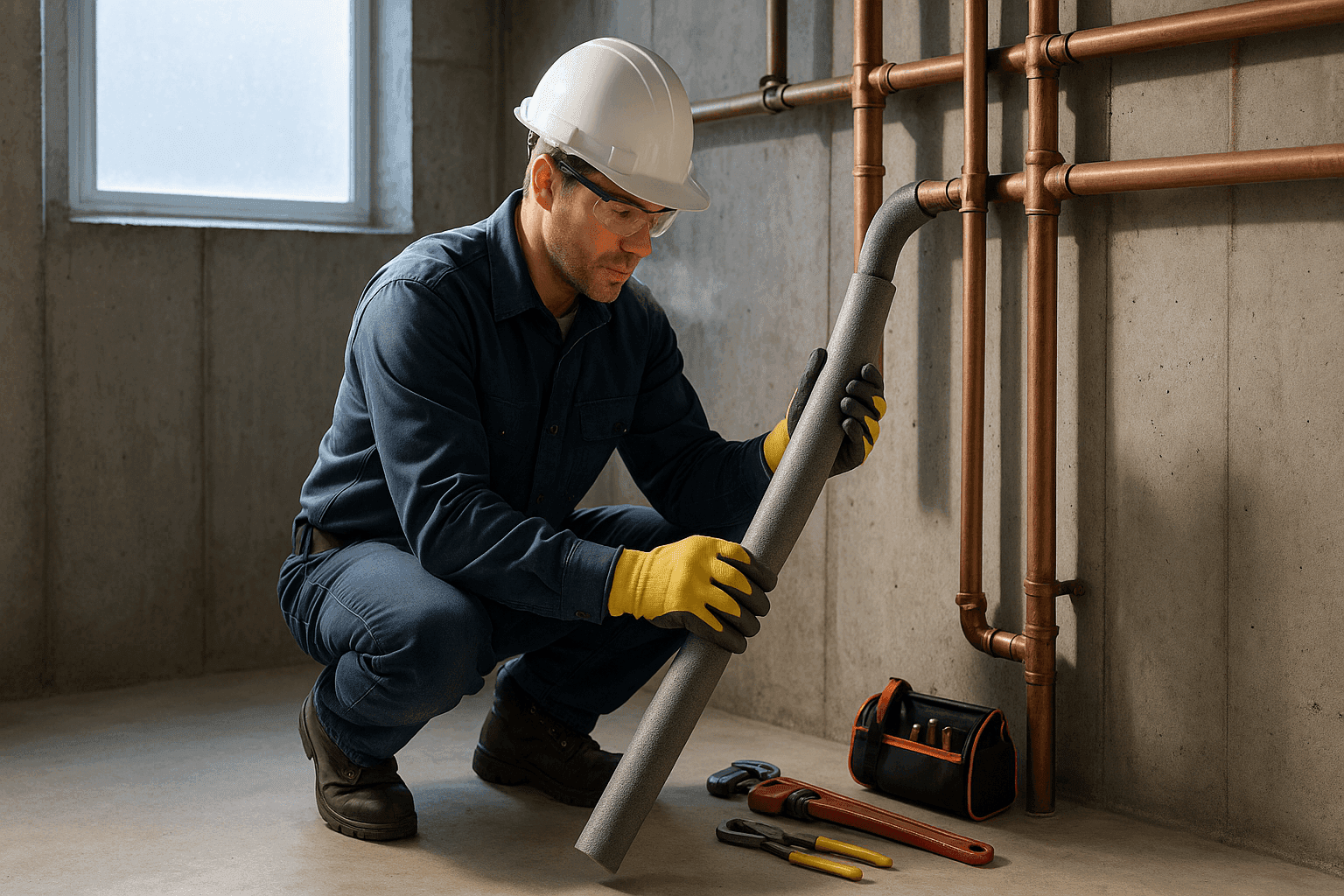
The sound of water running through your pipes is a comfort—until winter hits and silence falls. Frozen pipes can turn a peaceful home into chaos in hours. At Rooter Kings Plumbing, we’ve seen it all: burst lines, flooded basements, and ruined holidays. If you’re worried about the next cold snap, you’re not alone.
Let’s break down why pipes freeze, how to stop it, and what you can do right now to protect your home. Whether you’re staying cozy or traveling for the holidays, these tips could save you from a plumbing catastrophe.
Why Pipes Freeze 🥶
Frozen pipes aren’t just a cold-climate myth. When the thermometer drops, water inside your pipes can freeze and expand, creating pressure that may burst even the toughest materials.
Risk Factors to Watch
- Climate: Extended periods below 32°F (0°C) put homes at risk—especially in regions not built for deep freezes.
- Insulation: Pipes running through unheated spaces (think attics, crawl spaces, basements, or garages) are most vulnerable.
- Pipe Location: Exterior walls, poorly insulated bathrooms, and kitchen sinks on outside walls are frequent trouble spots.
Pipes, like people, don’t like the cold. When left unprotected, they stiffen and crack under pressure. According to the International Code Council, even a small opening letting cold air in can freeze a pipe overnight.
How to Prevent Freezing
Think of your pipes like a car on a frosty morning; a little preparation goes a long way.
Insulate Like You Mean It
- Pipe Sleeves & Foam: Wrap exposed pipes, especially in unheated areas. Insulation is like a scarf for your plumbing.
- Seal Gaps: Use caulking or spray foam to block drafts near pipes.
Keep Heat Flowing
- Open Cabinet Doors: Let warm air circulate around pipes beneath sinks, especially on exterior walls.
- Set Thermostats: Keep your home at 55°F (13°C) or higher, even if you’re away for the holidays.
- Don’t Shut Off Heat: The temptation to save on energy bills can cost you much more in repairs.
Drip Faucets
- Trickle Effect: Letting a faucet drip—just a pencil-thin stream—relieves pressure and keeps water moving, helping prevent freezing.
Emergency Steps if Pipes Freeze 🚨
You turn on the tap. Nothing. Panic rises. Don’t worry—here’s your action plan.
What to Do First
- Turn Off the Water: If you suspect a pipe has frozen but hasn’t burst, shut off the main water valve. This reduces the risk of a flood if the pipe cracks.
- Open Faucets: Turn on nearby faucets to relieve pressure and allow melting ice to flow out.
- Locate the Freeze: Feel for cold spots on exposed pipes. If you find frost or bulging, you’ve found the trouble.
Safe Thawing Methods
- Hair Dryer or Heat Lamp: Gently warm the frozen section. Start closest to the faucet and work your way back. Move heat back and forth—never focus on one spot for too long.
- Warm Towels: Soak towels in hot water and wrap them around the pipe.
- Space Heater: Place it in the room (not directly on pipes) to slowly raise the temperature.
Never use an open flame, blowtorch, or propane heater. This is a fire risk and can damage pipes.
When to Call a Pro
If you can’t access the frozen section, suspect a burst, or see water leaking, it’s time to call Rooter Kings Plumbing for emergency plumbing help. Quick action can prevent thousands in water damage.
Repairing Frozen Pipe Damage
Sometimes, despite your best efforts, pipes burst and chaos follows.
If a Pipe Bursts
- Shut Off Water Immediately: This is your first lifeline.
- Turn Off Electricity: If water is pooling near electrical outlets or appliances, switch off power at the breaker.
- Drain Faucets: Open all faucets to clear water from the system and reduce pressure.
- Document the Damage: Take photos for insurance claims.
Next Steps
- Call a Licensed Plumber: Burst pipes require professional repair—especially if hidden behind walls or ceilings.
- Remove Standing Water: Mop up what you can to prevent mold growth.
- Check for Mold: After repairs, keep an eye out for musty smells or discoloration.
The American Red Cross recommends immediate action to minimize property damage and health risks.
Rooter Kings’ Emergency Response & Winterization Services 🛠️
When winter bites, Rooter Kings Plumbing is ready. Our team responds 24/7, holidays included. We offer:
- Emergency plumbing and leak repairs
- Pipe insulation and winterization (recommended before the first freeze)
- Bathroom plumbing near you, fast
- Preventative maintenance for vulnerable homes
If you’re heading out of town, we can winterize your plumbing system so you return to comfort—not chaos.
Local/Seasonal Considerations
In cold-climate regions, pipes face more than just chilly air. Wind chills, sudden temperature drops, and long holiday absences all add risk. If you’re traveling, ask a neighbor to check your home or consider a smart thermostat to monitor temperatures remotely.
Holiday travel means empty homes. An unheated house can become a frozen disaster in less than a day. Before you leave, double-check your pipes, set the thermostat, and drip at least one faucet.
Practical Tips for Homeowners
- Know Your Main Shutoff Valve: Save precious minutes in an emergency.
- Insulate Pipes in Advance: Don’t wait for the forecast.
- Schedule Annual Plumbing Inspections: Prevention beats repairs every time.
- Don’t Ignore Small Leaks: Even a drip can freeze, expand, and split pipes.
Frequently Asked Questions
How cold does it need to be for pipes to freeze?
Pipes can begin freezing at 32°F (0°C), but the risk rises sharply below 20°F (–6°C), especially for uninsulated or exterior pipes.
Should I use heat tape?
UL-listed heat tape can help, but it must be installed according to the manufacturer’s instructions and local codes to avoid fire hazards.
What’s the best way to thaw a frozen pipe?
Apply gentle heat using a hair dryer or space heater—not flames or boiling water. Start at the faucet end and work toward the frozen section.
My pipe burst. Is it safe to handle repairs myself?
Small leaks might be patched temporarily, but replacing burst pipes or dealing with water damage is best left to licensed professionals.
Code & Safety Guidelines
Always follow local building codes and recommendations from the International Plumbing Code (IPC) and American Red Cross for safe pipe insulation and emergency procedures.
Don’t Wait for the Ice to Win
Frozen pipes can strike fast. Prepared homeowners stay safe, warm, and dry all winter long. If you’re facing a freeze or want to protect your home before the next cold snap, Rooter Kings Plumbing is here—day, night, or holiday.
Call Rooter Kings Plumbing now — or reach us anytime at 877-359-8413 .