Preventing Plumbing Disasters: Essential Seasonal Maintenance Tips for Homeowners
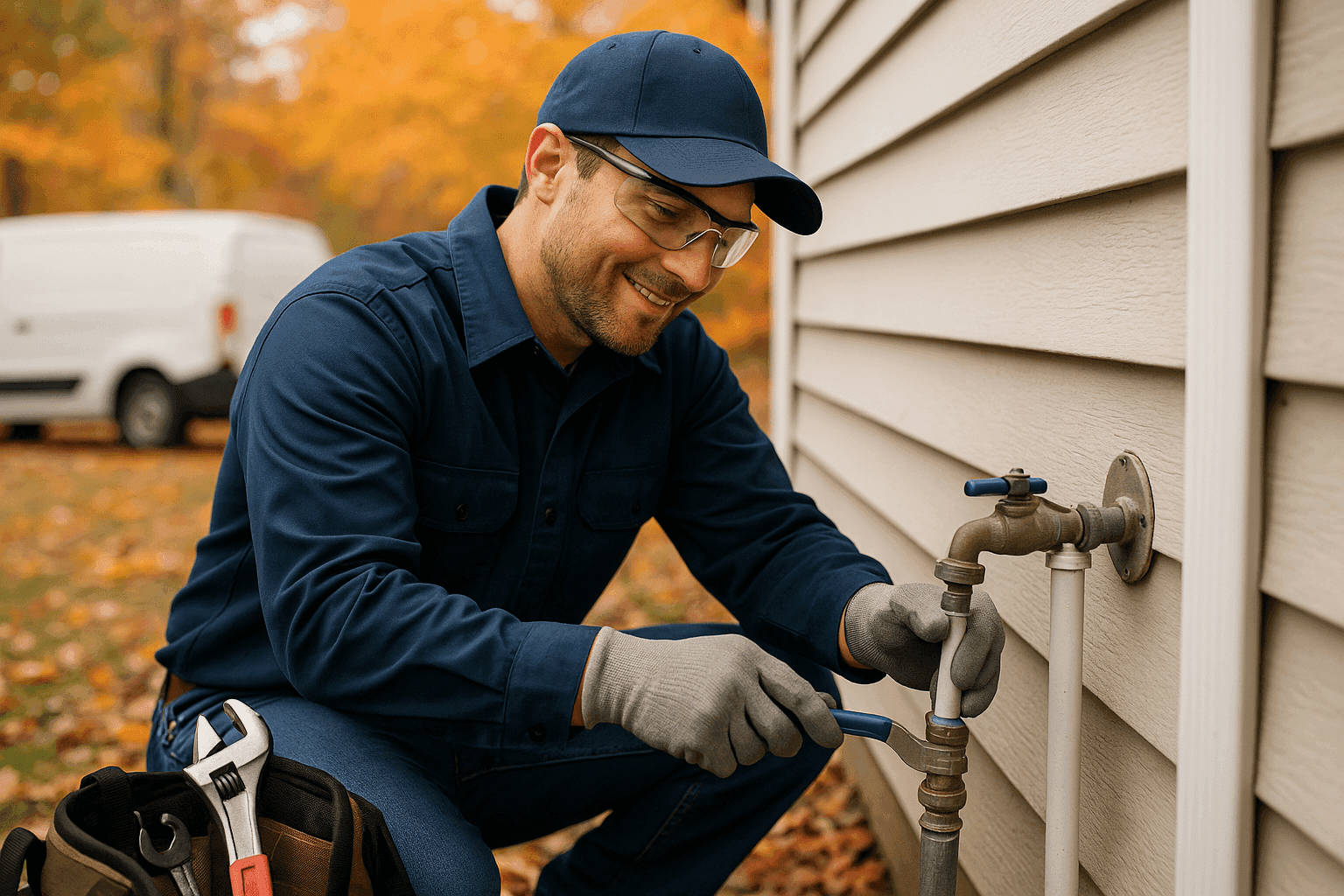
Plumbing problems have a way of sneaking up at the worst moments. One day, everything’s flowing fine. The next, you’re ankle-deep in water, frantically searching for towels. At Rooter Kings Plumbing, we know how quickly a small issue can spiral into a full-blown emergency. The good news? Most disasters can be prevented with a little know-how and seasonal care.
Let’s break down the simple steps every homeowner and small business owner should take to protect their plumbing investment—and avoid that dreaded emergency plumbing call in the middle of the night.
Why Seasonal Plumbing Maintenance Matters
Think of your plumbing like a car. Ignore the warning lights, skip the oil changes, and trouble is just around the corner. Plumbing systems face unique challenges as the seasons change—freezing pipes in winter, heavy rains in spring, summer droughts, and falling leaves in autumn. Each brings its own set of risks.
A little proactive maintenance goes a long way. Not only does it help prevent leaks, clogs, and water damage, but it also keeps your water pressure steady and your water quality safe. Plus, you’ll save money by catching small problems before they turn into big repairs.
Quick Safety Checklist ✅
Before rolling up your sleeves, take a moment to review these safety basics:
- Turn off water to fixtures before working on them.
- Know the location of your main water shut-off valve.
- Wear gloves and eye protection when handling pipes or cleaning drains.
- Never mix chemical drain cleaners—use only as directed.
- If you smell gas or see sparks, evacuate and call for help immediately.
- For any electrical work near water, shut off the power at the breaker.
These steps are based on guidelines from the International Association of Plumbing and Mechanical Officials (IAPMO) and the National Fire Protection Association (NFPA).
Spring: Waking Up Your Plumbing After Winter
As the snow melts and temperatures rise, your plumbing system is ready to stretch its legs. But winter can leave behind hidden damage.
Spring To-Do List:
- Inspect exposed pipes for cracks or leaks. Look under sinks, in basements, and crawl spaces.
- Check outdoor faucets and hose bibs for leaks. A slow drip may signal a burst pipe inside the wall.
- Test your sump pump by pouring a bucket of water into the pit. It should kick on quickly. If not, it’s time for service.
- Clean gutters and downspouts to keep water flowing away from your foundation.
- Flush your water heater to remove sediment buildup, which can reduce efficiency and shorten lifespan.
Early warning signs to watch for: musty smells, damp spots, or any unexplained increase in your water bill.
Summer: Keeping Cool and Preventing Drought Damage
Summer often brings heavy use of sprinklers, pools, and outdoor faucets. It’s also prime time for root growth, which can invade sewer lines.
Summer To-Do List:
- Inspect irrigation systems for leaks or broken sprinkler heads.
- Check for slow drains—tree roots can clog sewer lines when the ground is dry.
- Look for signs of water pressure changes. Sudden drops may signal a hidden leak.
- Inspect washing machine hoses for cracks or bulges.
- Check your garbage disposal for jams or strange noises.
If you notice persistent clogs or slow drains, don’t ignore them. They’re the plumbing equivalent of a warning light on your dashboard.
Fall: Preparing for Cold Weather
Autumn is the time to get your plumbing ready for the first freeze. Neglecting these steps can leave you with burst pipes and costly repairs.
Fall To-Do List:
- Disconnect and drain outdoor hoses. Store them indoors to prevent cracking.
- Shut off and drain outdoor faucets using the shut-off valve inside your home.
- Insulate exposed pipes in unheated areas like garages, attics, and crawl spaces.
- Test your sump pump again before heavy fall rains.
- Schedule a sewer line inspection if you’ve had root problems in the past.
A little prep now can save you from an emergency plumbing call in the dead of winter.
Winter: Defending Against Freezing Temps ❄️
Winter is the toughest season for plumbing. Freezing water expands, putting enormous pressure on pipes.
Winter To-Do List:
- Keep cabinet doors open under sinks to let warm air circulate around pipes.
- Let faucets drip on extra-cold nights to keep water moving.
- Check for drafts around pipes and seal gaps with caulk or insulation.
- Set your thermostat to at least 55°F, even if you’re away.
- Have your water heater inspected—cold weather strains older units.
If you spot frost on pipes or hear banging noises (water hammer), act fast. These are red flags for freezing or pressure problems.
DIY vs. When to Call a Professional
Some plumbing tasks are safe for a handy homeowner. Others are best left to licensed professionals.
Safe DIY Tasks:
- Cleaning faucet aerators and showerheads.
- Unclogging minor sink or tub drains with a plunger.
- Replacing toilet flappers or washing machine hoses.
- Insulating exposed pipes.
Call a Pro For:
- Persistent leaks or water stains on ceilings or walls.
- Low water pressure throughout the house.
- Sewer odors or frequent drain backups.
- Gas line installation or repair.
- Water heater problems—especially if you smell gas or see rust.
Remember, plumbing codes exist for a reason. The Uniform Plumbing Code (UPC) and International Plumbing Code (IPC) set standards for safe, reliable systems. When in doubt, reach out.
What Pros Do On Arrival
When you call Rooter Kings Plumbing, here’s what you can expect:
- Thorough inspection: We check visible and hidden pipes, fixtures, and connections.
- Leak detection: Using specialized equipment, we find even tiny leaks behind walls or under floors.
- Drain testing: We assess water flow and identify blockages.
- Water quality check: We test for contaminants and recommend filtration if needed.
- Safety checks: For gas lines, water heaters, and backflow prevention devices.
We follow industry best practices and safety standards, including Occupational Safety and Health Administration (OSHA) guidelines.
Prevention & Maintenance: The Cornerstones of Plumbing Health
Routine maintenance is your best defense against plumbing disasters. Here’s how to stay ahead:
- Schedule annual inspections with a licensed plumber.
- Replace old pipes before they fail—especially if your home has galvanized steel or polybutylene pipes.
- Install backflow prevention devices to protect your water supply.
- Test water pressure regularly. High pressure can damage pipes and appliances.
- Flush your water heater at least once a year to prevent sediment buildup.
- Keep drains clear by avoiding grease, coffee grounds, and wipes.
Preventative maintenance is an investment in peace of mind. It’s the difference between a minor fix and a midnight emergency.
Costs & Time Factors
Plumbing maintenance doesn’t have to break the bank. Most seasonal tasks take just a few hours and cost little more than basic supplies. Professional inspections and tune-ups typically range from a modest service fee to more, depending on the scope and complexity.
Repairs—especially for leaks, sewer lines, or water heaters—can be more expensive. But catching problems early keeps costs down and limits water damage. Waiting until something breaks almost always leads to higher bills and longer downtime.
When It’s an Emergency 🚨
Some plumbing problems can’t wait. Call for emergency plumbing help if you notice:
- Sudden loss of water pressure.
- Water pouring from ceilings, walls, or floors.
- Sewage backing up into sinks, tubs, or toilets.
- Gas smells near water heaters or appliances.
- No hot water during freezing weather.
In these cases, shut off your main water valve and call Rooter Kings Plumbing right away.
Frequently Asked Questions
How often should I have my plumbing inspected?
At least once a year. Older homes or properties with a history of leaks may need more frequent checks.
What’s the best way to prevent frozen pipes?
Insulate exposed pipes, keep your home heated above 55°F, and let faucets drip on cold nights.
Are chemical drain cleaners safe for pipes?
Use with caution. Frequent use can damage pipes, especially older ones. Mechanical methods (like plungers or drain snakes) are safer.
Can I install a water heater myself?
It’s best left to licensed professionals. Improper installation is a safety risk and may void warranties.
Special Considerations for Homeowners and Small Businesses
Every property is different. Older buildings may have aging pipes or outdated fixtures. Businesses often have higher water usage, putting extra strain on plumbing systems. If you run a business, consider a preventative maintenance plan that includes regular backflow testing, water heater checks, and emergency plumbing support.
For homeowners, pay close attention to basements, crawl spaces, and other hidden areas where leaks can go unnoticed. Upgrading to water-efficient fixtures can also save money and reduce the risk of overloading your system.
Plumbing disasters don’t have to be part of your story. With a little seasonal care—and help from Rooter Kings Plumbing—you can keep things running smoothly all year long.
Call Rooter Kings Plumbing now — or reach us anytime at 877-359-8413 .