Preventing Plumbing Emergencies: Essential Tips for Homeowners and Small Businesses
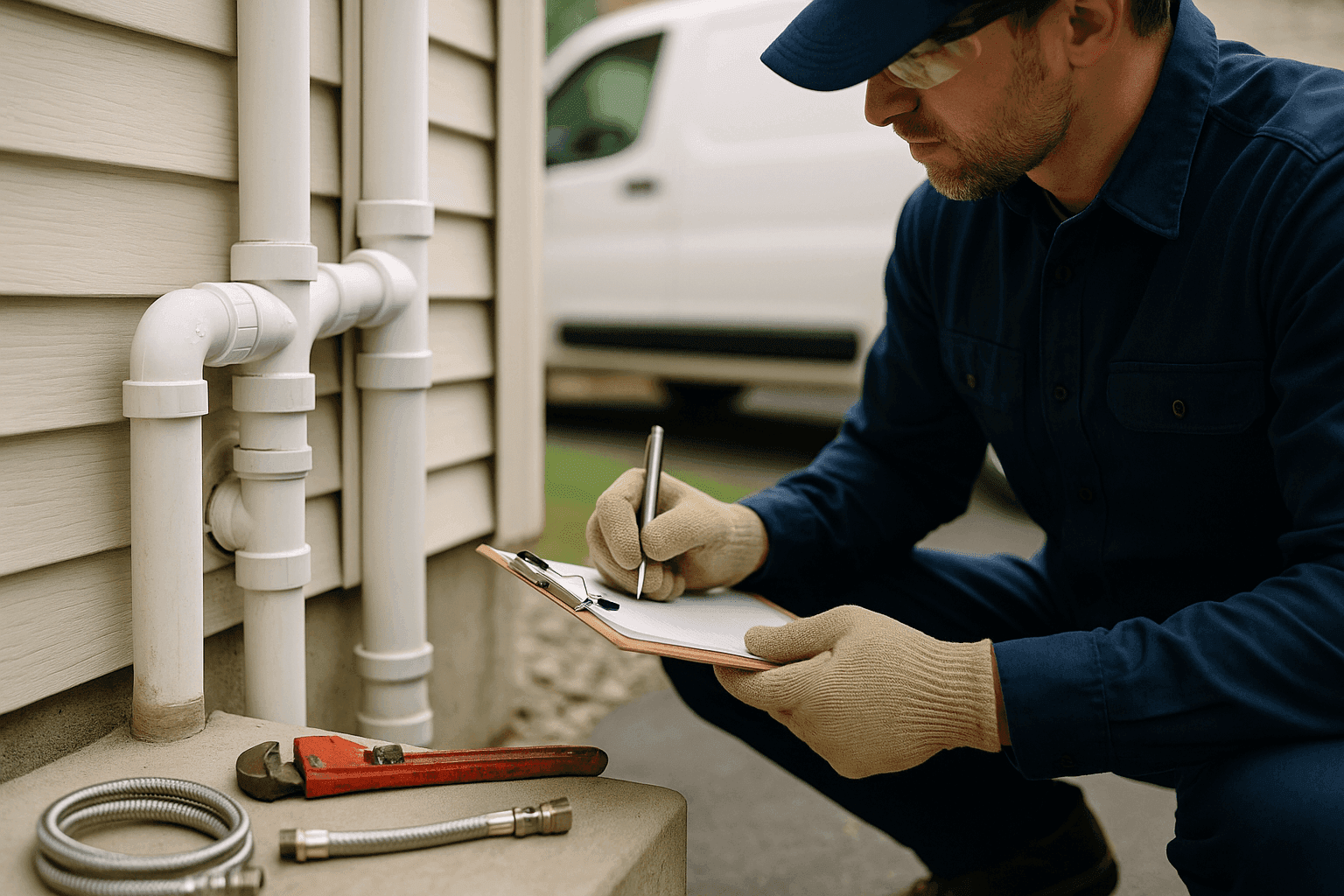
Life doesn’t wait for a plumbing emergency. Whether you’re at home or running a small business, one burst pipe or a clogged drain can throw your entire day into chaos. At Rooter Kings Plumbing, we’ve seen firsthand how a little planning and regular care can keep disaster at bay—and save you from big repair bills down the line.
Let’s get ahead of the leaks, clogs, and surprises together. Here’s your go-to guide for preventing plumbing emergencies, packed with practical tips and real-world know-how.
The Real Cost of Plumbing Emergencies
Imagine water pouring from the ceiling or the toilet refusing to flush just as customers walk in. Plumbing emergencies aren’t just inconvenient—they can shut down your business or leave your family scrambling.
Common culprits include:
- Burst pipes from freezing or old age
- Sudden leaks under sinks or behind walls
- Overflowing toilets and clogged drains
- Hot water heaters failing at the worst moment
- Sewer backups with foul odors and health risks
The true cost? Lost time, expensive repairs, water damage to floors and walls, and sometimes the headache of insurance claims. According to the International Association of Certified Home Inspectors, water damage is one of the leading causes of property loss. Prevention isn’t just smart—it’s essential.
Quick Plumbing Safety Checklist 🛑
Stay ahead of trouble with these quick checks every season:
- Look under sinks and behind toilets for signs of leaks or water stains.
- Test water pressure—weak flow can signal hidden issues.
- Listen for banging pipes or gurgling drains.
- Check your water heater for rust, moisture, or strange noises.
- Make sure sump pumps are plugged in and working, especially before heavy rain.
- Inspect hoses on washing machines and dishwashers for cracks or bulges.
- Ensure all drains run freely—slow drainage is a warning sign.
- Confirm that your main shut-off valve works and everyone knows its location.
A few minutes every month can save you hours of stress later.
DIY or Call a Pro? Knowing Your Limits
Some plumbing fixes are like changing a lightbulb—easy and safe. Others are more like rewiring your whole house in the dark. Here’s how to decide:
DIY-Friendly Tasks:
- Unclogging minor sink or shower drains with a plunger
- Tightening loose faucet handles
- Replacing worn-out washers or aerators
- Cleaning out simple P-traps under sinks
Call Rooter Kings Plumbing When:
- Water is leaking from pipes, ceilings, or walls
- Drains are persistently slow or completely blocked
- Smelling gas or hearing hissing near gas lines
- Water heater is leaking or not producing hot water
- Sewer odors or water backing up into sinks and tubs
- You spot mold, mildew, or unexplained wet patches
Remember: Water and gas don’t give second chances. If you’re unsure, it’s safer to call in the pros.
What Happens When a Plumber Arrives
Ever wonder what a professional plumber actually does when you call for emergency plumbing help? Here’s a peek behind the curtain:
- Assessment: We quickly locate the source of the problem—often using moisture meters, thermal cameras, or inspection scopes.
- Containment: The first step is stopping the flow—shutting off water or gas as needed.
- Diagnosis: We trace the issue to its root, whether it’s a hidden leak, broken pipe, or faulty fixture.
- Repair: Using the right tools and parts, we fix the problem—sometimes with temporary solutions if major work is needed.
- Testing: Once fixed, we test the system thoroughly to ensure there are no lingering issues.
- Advice: Before leaving, we share practical tips for avoiding a repeat emergency.
Our goal is to get you back to normal—fast, safely, and with lasting peace of mind.
Prevention & Maintenance: Your Best Defense
Think of your plumbing like a car. Regular tune-ups and oil changes keep it running smoothly. Here are the most effective ways to prevent emergencies:
Regular Inspections
Schedule professional inspections at least once a year. A trained eye can spot corrosion, small leaks, or pressure problems before they escalate. The Uniform Plumbing Code recommends annual checks for commercial properties and multi-family homes.
Early Leak Detection
Install leak detectors near water heaters, laundry machines, and under sinks. These devices sound an alarm—or even send alerts to your phone—if they sense moisture. Catching a drip early can prevent major damage.
Seasonal Preparations
- Winter: Insulate exposed pipes to prevent freezing and bursting. Disconnect outdoor hoses and shut off exterior faucets.
- Spring: Check sump pumps before rainy season. Clear gutters and downspouts to keep water away from the foundation.
- Summer: Inspect irrigation systems for leaks or broken heads.
- Fall: Test water heaters and flush sediment to improve efficiency.
Maintaining Key Systems
Water Heaters
Drain and flush your water heater once a year to remove sediment. This extends its life and ensures hot water when you need it most. Listen for popping or rumbling—signs it’s time for maintenance.
Sump Pumps
Pour a bucket of water into the sump pit to make sure the pump switches on. Clean the inlet screen and check the backup power source if you have one.
Sewer Lines
Schedule periodic sewer line inspections, especially for older properties or those with large trees nearby. Roots can invade pipes, leading to blockages or backups.
Backflow Prevention
Test backflow devices annually to protect your drinking water from contamination. This is especially important for businesses and homes with irrigation systems.
Gas Lines
Have gas lines inspected and tested for leaks. Even a small leak is dangerous—regular checks are critical for safety.
Water Filtration Systems
Change filters as recommended by the manufacturer. A clogged filter can reduce water pressure and strain your plumbing.
Preventative Maintenance Checklist
- Inspect all visible pipes for corrosion or leaks.
- Test water pressure and adjust if needed.
- Clean faucet aerators and showerheads.
- Flush water heater and check temperature setting (120°F is usually safe).
- Check toilets for silent leaks (add a few drops of food coloring to the tank—if color appears in the bowl after 30 minutes, you have a leak).
- Test sump pump and backup system.
- Schedule professional backflow and gas safety checks.
Costs & Time Factors: What to Expect
Plumbing emergencies almost always cost more than prevention. A small leak caught early might cost the price of a quick repair visit. Left unchecked, that same leak could lead to thousands in water damage, mold remediation, or major pipe replacement.
Emergency calls often require after-hours service, which can increase costs. Repairs like water heater replacements or sewer line fixes may take several hours—or even days—depending on the scope. Preventative maintenance, on the other hand, usually takes just a couple of hours and keeps your systems running smoothly.
According to the Insurance Institute for Business & Home Safety, routine maintenance can reduce the risk and cost of water damage by more than half.
When It’s an Emergency (And What To Do)
Not every drip is a disaster, but some signs mean you need immediate help:
- Water is pouring from pipes, ceilings, or walls
- Sewage is backing up into sinks, tubs, or toilets
- You smell gas or suspect a gas leak (leave the building and call for help)
- No water at all, or only cold water when you need hot
- Flooding in the basement or crawl space
If you spot any of these, shut off the main water or gas valve if it’s safe to do so, and call Rooter Kings Plumbing right away. Quick action can make a big difference.
Frequently Asked Questions
How often should I have my plumbing inspected?
For most homes and small businesses, an annual inspection is recommended. If your property is older or you’ve had previous issues, consider twice a year.
What’s the best way to avoid frozen pipes?
Insulate pipes in unheated areas like basements, attics, and garages. Disconnect outdoor hoses in the fall and leave faucets dripping during extreme cold snaps.
Are chemical drain cleaners safe?
Most chemical drain cleaners can damage pipes over time and are not recommended. Use a plunger or a drain snake for minor clogs, or call a professional if the problem persists.
Do I really need backflow testing?
Yes. Backflow testing ensures your water supply isn’t contaminated by dirty water from other sources. It’s especially important if you have sprinklers, pools, or commercial equipment.
Special Considerations for Homeowners and Small Businesses 🛠️
- Small Businesses: Plumbing problems can disrupt operations and affect your reputation. Schedule maintenance during off-hours and keep emergency numbers handy.
- Homeowners: Watch out for signs of trouble in seldom-used areas like basements, guest bathrooms, and laundry rooms.
- Older Properties: Pipes, fixtures, and water heaters have a lifespan. If your plumbing is more than 20 years old, consider repiping or updating key components.
- New Installations: Always use licensed professionals for major jobs like gas line installation, sewer line replacement, or water heater upgrades. This ensures compliance with building codes and keeps your warranty valid.
Preventing plumbing emergencies isn’t just about avoiding inconvenience—it’s about protecting your investment, your comfort, and your peace of mind. With a little attention and the right help, you can keep things flowing smoothly all year long.
Call Rooter Kings Plumbing now — or reach us anytime at 877-359-8413 .