Repiping Your Home: Signs, Benefits, and What to Expect
Sometimes, plumbing problems come at you like a slow drip. Other times, it’s a tidal wave. Either way, the pipes in your home are the veins of your comfort—when they’re working, you hardly notice. But when old pipes start to fail, the signs can’t be ignored.
At Rooter Kings Plumbing, we’ve seen it all: rusty water, pipes that sound like a marching band, and leaks that seem to multiply overnight. If you’re starting to wonder if repiping is in your future, you’re not alone—and you’re in the right place.
What Is Repiping?
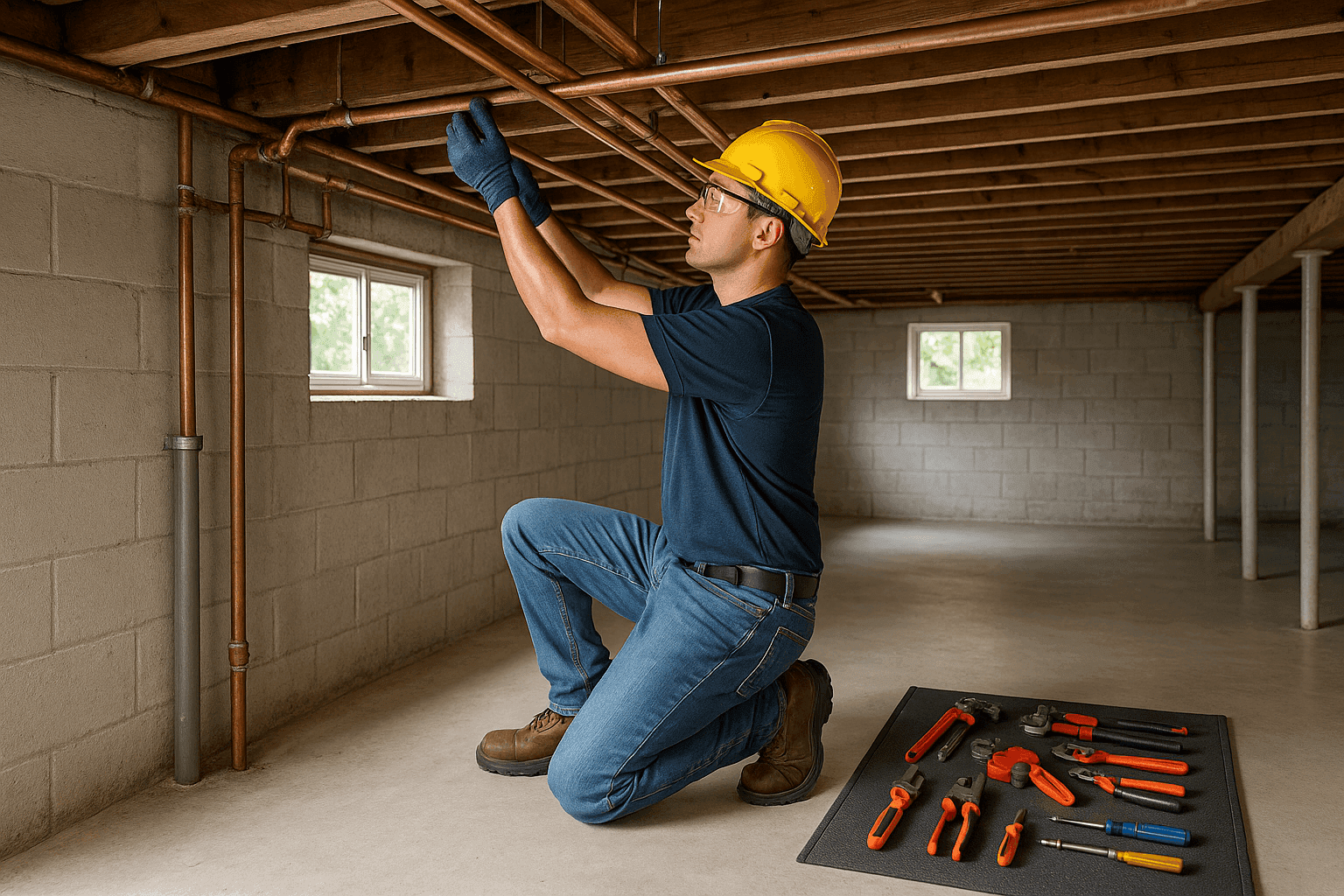
Repiping isn’t just a fancy word for replacing pipes. It means removing old, failing pipes from your home—sometimes all of them (full repiping), sometimes just the trouble spots (partial repiping)—and installing new, safe plumbing lines. Think of it as giving your house a new set of arteries, making sure clean, reliable water gets everywhere you need it.
Most homes in the region were built decades ago. Many still have galvanized steel pipes, which were common before the 1970s. Over time, these pipes rust from the inside out, causing all sorts of problems. Newer materials like copper, PEX, and CPVC have stepped in as safer, longer-lasting options. Each type has its pros and cons, depending on your needs, budget, and local water conditions.
Signs You Need Repiping 🚰
Not sure if your home is telling you it’s time? Watch for these red flags:
- Discolored Water: Brown, red, or yellowish water is a classic sign of rusting pipes. If your tap looks like weak tea, it’s time to investigate.
- Low Water Pressure: If your shower feels more like a drizzle, mineral buildup or corrosion inside the pipes could be choking the flow.
- Frequent Leaks: One leak may be a fluke. More than one in a year? That’s your plumbing waving a red flag.
- Recurring Repairs: Are you calling for pipe repair or emergency plumbing every few months? The costs add up—sometimes it’s smarter (and safer) to address the root cause.
- Strange Noises: Banging, whistling, or clanking pipes—especially in older homes—are often signs of trouble brewing behind the walls.
If you live in an area with hard water, mineral deposits are even more likely to clog up your lines. And if your home was built before the 1980s, galvanized pipes or even old lead pipes might still be lurking inside your walls.
The Repiping Process: What to Expect
Repiping your home sounds like a major job—and it is. But with the right team, it’s a well-oiled process designed to cause as little disruption as possible.
Step 1: Inspection & Planning
We start with a thorough inspection—sometimes using cameras inside your pipes, sometimes with pressure tests. This tells us if you need a full repipe or just sections replaced.
Step 2: Choosing Materials
Together, we’ll look at options like copper, PEX, or CPVC. Each has its strengths:
- Copper: Long life, resists bacteria, but can be pricier.
- PEX: Flexible, quick to install, great for areas with lots of bends.
- CPVC: Affordable and resistant to corrosion, but sensitive to freezing.
We’ll factor in local water quality, home age, and your budget.
Step 3: Prepping Your Home
We’ll cover floors and furniture, cut access holes as needed, and keep dust to a minimum. Our licensed plumbers take care to respect your space.
Step 4: Pipe Replacement
We remove the old pipes and install new ones, connecting everything back up—bathroom plumbing, kitchen lines, laundry, and more.
Step 5: Testing & Cleanup
Before we leave, we test the system for leaks and flush your lines thoroughly. We patch up access holes and clean up after ourselves, so your home feels like home again.
Benefits of Repiping
Why go through all this trouble? Here’s what you gain:
- Cleaner, Safer Water: New pipes mean no more rust, scale, or mystery particles coming out of your taps.
- Consistent Water Pressure: Enjoy a strong shower again. No more guessing if you’ll get a trickle or a torrent.
- Fewer Repairs: Say goodbye to the cycle of patching leaks and crossing your fingers.
- Added Value: Repiping can boost your home’s resale value. Buyers love knowing the plumbing is updated.
- Peace of Mind: Sleep a little easier knowing you won’t wake up to a flooded kitchen or a surprise emergency plumbing call.
Trust Rooter Kings Plumbing
With years of hands-on experience in homes just like yours, Rooter Kings Plumbing brings a team of licensed, insured plumbers to every job. We stand behind our work with clear communication and a commitment to quality materials that meet local plumbing codes (see Uniform Plumbing Code guidelines). Our work is designed to last, and we’re always here to answer your questions—even after the job is done.
Local & Regional Pipe Issues 🏠
Our area is known for its hard water, which chews up pipes from the inside. If your home still has old galvanized lines, you’re at higher risk for rust and leaks. Some neighborhoods also deal with shifting soil, which puts stress on underground pipes. We’ve repiped homes from century-old farmhouses to modern builds—each one has its quirks, and we know how to handle them.
Quick Safety Checklist
- Know where your main shutoff valve is—especially before any major work.
- Always turn off water before attempting any DIY repairs.
- Ask about pipe materials—lead and polybutylene pipes should be replaced for health and safety.
- Check with your city about any local permitting or inspection requirements.
DIY vs. Call a Pro
Small leaks or fixture swaps? Some handy homeowners tackle these. But repiping is a different beast. It means opening walls, working in tight spaces, and following strict building codes. If pipes aren’t installed right, you risk water damage or even insurance hassles down the road. That’s why most homeowners choose a licensed plumber for a job this big.
What the Pros Do on Arrival
When our team arrives, we don’t just start swinging hammers. We:
- Inspect your plumbing system, inside and out.
- Map out the most efficient way to swap pipes with minimal damage.
- Communicate every step, so you know what’s happening and why.
- Work methodically—one bathroom or section at a time, so you’re never completely without water.
Prevention & Maintenance
After repiping, a little care goes a long way:
- Install water filtration if you have hard or mineral-rich water.
- Schedule regular plumbing inspections (once every 2–3 years).
- Keep an eye out for slow drains or pressure changes, and address them early.
Costs & Time Factors 💡
Repiping costs depend on your home’s size, the number of bathrooms, and the materials you choose. A small home might take 2–3 days; larger homes can take up to a week. While it’s an investment, spreading repairs out over years often ends up costing more—especially when you factor in water damage.
When It’s an Emergency
Burst pipe? Sudden water leak? That’s not the time to wait. Emergency plumbing services are available 24/7, and swift action saves you from major repairs. Turn off the main water supply, move valuables out of harm’s way, and call for help right away.
FAQ
How do I know if my pipes are too old?
If your home is over 40 years old and you haven’t updated the pipes, it’s time for an inspection. Old materials like galvanized steel, lead, or polybutylene should be replaced for safety and reliability.
Will repiping ruin my walls and floors?
With modern techniques, damage is minimized. Access holes are small and are patched after the job. Most homeowners are surprised at how quickly their home is put back together.
Do I need to move out during repiping?
Usually, no. We work in sections so you have access to water at all times. For larger projects or unique circumstances, we’ll discuss the plan with you in advance.
What plumbing codes should I know about?
All work should meet the Uniform Plumbing Code or your local building authority’s requirements. Licensed plumbers handle permits and inspections for you.
Local & Seasonal Considerations
Winter brings frozen pipe risks—especially in older homes. Insulating pipes and addressing leaks before the cold hits can save you from a burst pipe emergency. In areas with hot summers, ground shift and drought can stress underground pipes. Ask about regional best practices when planning your repiping project.
Ready to discuss your home’s plumbing? Whether you need full repiping, a quick fix, or just straight answers, Rooter Kings Plumbing is here for you.
Call Rooter Kings Plumbing now — or reach us anytime at 877-359-8413 .