Sewer Line Inspection: Why It’s Essential Before Buying a Home
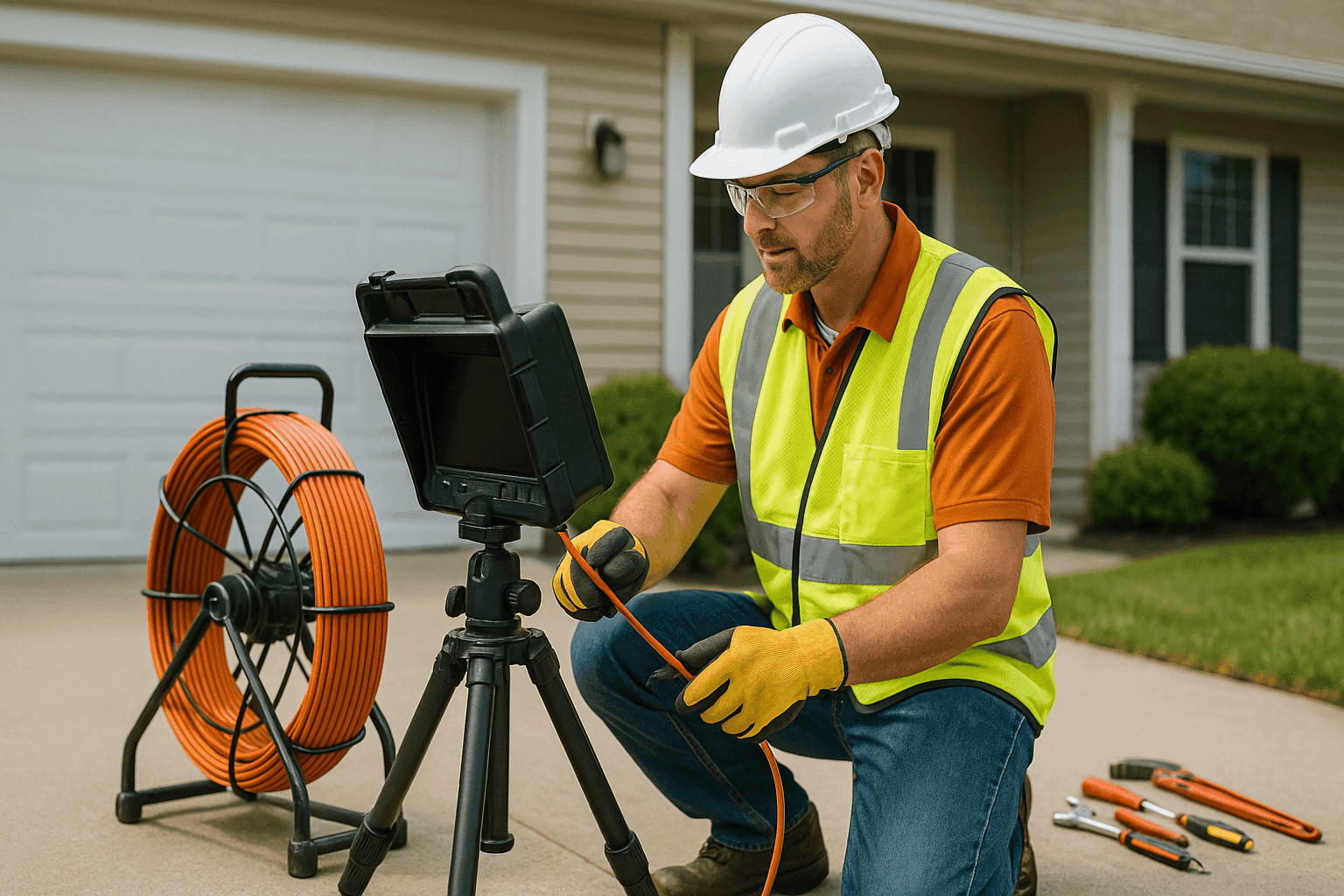
Thinking about buying a new home? It’s easy to fall in love with a charming kitchen or a sunlit living room. But what’s lurking beneath your feet could turn that dream home into a plumbing nightmare. The truth is, sewer line problems rarely announce themselves until it’s too late—and fixing them isn’t cheap.
At Rooter Kings Plumbing, we see it all the time: a missed inspection leads to unpleasant surprises, emergency plumbing calls, and bills no one saw coming. Here’s what every homebuyer should know before signing on the dotted line.
Why Inspect the Sewer Line? 🕵️
A sewer line is like the backbone of your home’s plumbing. When it’s working, you hardly notice it. But when it fails? It’s like discovering termites in the foundation after moving in.
Hidden Risks
- Costly Repairs: Sewer line replacements can cost as much as a new roof.
- Invisible Damage: Problems underground rarely show up above ground—until sewage backs up in the bathroom.
- Deal Breakers: Unresolved sewer issues can tank a real estate deal or force last-minute negotiations.
Many older neighborhoods and tree-lined streets are especially risky. Mature trees mean deep roots—and those roots love to find their way into aging pipes.
What an Inspection Reveals
A thorough sewer line inspection isn’t just about finding blockages. It’s a health check for your home’s most critical system.
What’s Found During Inspection
- Blockages: Years of build-up, grease, or even a child’s toy can stop up a pipe.
- Root Intrusion: Tree roots can sneak in through the tiniest crack, slowly splitting the pipe apart.
- Pipe Condition: Detects cracks, corrosion, sagging sections ("bellies"), and outdated materials that may not meet modern code standards (see Uniform Plumbing Code for material guidelines).
- Misalignment: Shifting soil or settling foundations can knock pipes out of place, risking leaks and slow drainage.
Catching these early can save you thousands and spare you the headache of moving into a home with hidden plumbing disasters.
Video Inspection Process 🎥
Forget guesswork. Today’s plumbing inspections use specialized camera technology to see exactly what’s going on below.
What to Expect
- Access Point: A technician locates a cleanout or removes a toilet to insert the camera.
- Real-Time Viewing: A small, waterproof camera snakes through the line, transmitting crystal-clear images to a monitor.
- Digital Report: At Rooter Kings Plumbing, you get a detailed digital report—photos and all—that’s easy to share with your real estate agent or seller.
- Buyer-Friendly Service: We explain findings in plain English, so you’re never left scratching your head.
This non-invasive process usually takes about an hour, and you can watch along if you want. Imagine it like a guided tour of your future home’s plumbing.
What to Do if Problems Are Found
Bad news during an inspection isn’t the end of your home-buying dream. It’s a bargaining chip and a roadmap.
Repair Options
- Spot Repairs: Localized clogs or minor cracks can often be fixed without full replacement.
- Pipe Lining: For longer sections, trenchless repairs can reinforce pipes from the inside—no digging up the yard.
- Full Replacement: Severely damaged or collapsed pipes may need to be replaced. In older homes, this is sometimes the safest long-term bet.
Negotiation Tips
- Get Estimates: Ask for written repair quotes from a licensed plumbing company.
- Ask the Seller: In many cases, you can negotiate for repairs or a credit before closing.
- Know Local Codes: Some cities require sewer lines to meet certain standards before a home can be sold (check local building department requirements).
Armed with real evidence, you’re in a strong position to protect your investment.
Local Nuance: Risks in Older Neighborhoods 🌳
If you’re eyeing homes on tree-lined streets or in neighborhoods built before the 1980s, pay extra attention.
- Clay or Cast Iron Pipes: Common in older homes, these materials are prone to cracking and corrosion.
- Shifting Soil: Older foundations may have settled, displacing pipes underground.
- Mature Trees: Their roots are relentless, seeking out moisture from small leaks and invading pipes.
A sewer line inspection is especially important in these areas—think of it as checking the roots before picking the fruit.
Practical Tips for Homebuyers
- Always ask if the sewer line has been inspected in the last year.
- Request digital inspection reports with photo documentation.
- Factor potential sewer line repairs into your homebuying budget.
- If the home is on a septic system, request a separate inspection and check local health department records.
Sewer Line Inspection FAQ
Do all homes need a sewer line inspection before purchase?
Not every home, but it’s strongly recommended for homes built before 1980, those with large trees nearby, or if there are signs of slow drains or past backups.
How long does a typical inspection take?
Most video inspections take an hour or less. Results and digital reports are usually ready same day.
Will a standard home inspection cover the sewer line?
No. Most home inspections stop at visible plumbing. Sewer line issues are almost always missed unless a specialized inspection is requested.
What happens if I skip the inspection?
You risk inheriting expensive repairs, emergency plumbing visits, and even health hazards from sewage backups.
Code & Safety References
- Uniform Plumbing Code (UPC): Sets the standards for materials and installation.
- Local Building Departments: May have additional requirements for sewer line condition at point of sale.
- Environmental Protection Agency (EPA): Offers guidance on preventing sewage contamination.
Final Thoughts
The sewer line is out of sight, but it shouldn’t be out of mind. Skipping this step can turn your new home into a money pit overnight. At Rooter Kings Plumbing, we make sewer line inspections straightforward, transparent, and tailored for buyers like you.
Call Rooter Kings Plumbing now — or reach us anytime at 877-359-8413 .