Sewer Line Installation: What Homeowners Should Expect
If you’re reading this, you’re probably staring down a big decision. Sewer line installation isn’t something anyone wants to think about—until it’s urgent. Maybe you’ve noticed slow drains, soggy patches in the yard, or that unmistakable whiff near the foundation. It’s stressful. We get it.
At Rooter Kings Plumbing, we handle these emergencies every day. Our licensed team brings decades of experience in emergency plumbing and bathroom plumbing near you. Homeowners deserve clear information before a shovel hits the dirt. Here’s what you need to know.
When Do You Need a New Sewer Line? 🚨
Sewer lines don’t last forever. Sometimes trouble sneaks up quiet as a mouse, other times it’s a full-on flood. Let’s break down the most common reasons homeowners need a fresh line:
- Old Age: Like everything else, pipes have a lifespan. Clay, cast iron, or Orangeburg pipes can crumble after 50–70 years. If your home is historic, your lines may be too.
- Damage: Roots from thirsty trees love to find tiny cracks, growing into a tangled mess. Shifting soil, earthquakes, or even repeated freeze-thaw cycles can cause pipes to collapse or separate.
- Major Renovations: Adding a bathroom? Upgrading your kitchen? Sometimes your old sewer line just can’t keep up with new demand.
- Persistent Clogs & Backups: If you’re calling for emergency plumbing every few months, the issue may run deeper than a simple clog.
Ignoring sewer trouble is like ignoring a leaky roof. It never gets better on its own.
Installation Process
Replacing or installing a sewer line isn’t just about digging a trench and laying pipe. There’s a careful process to keep your home, yard, and city code in mind.
Permits and Planning
Before work starts, permits are required. Your contractor should handle these, ensuring everything meets International Plumbing Code or your local authority’s requirements. This keeps your system safe—and your home sale later on, smooth.
Excavation vs. Trenchless: Two Paths
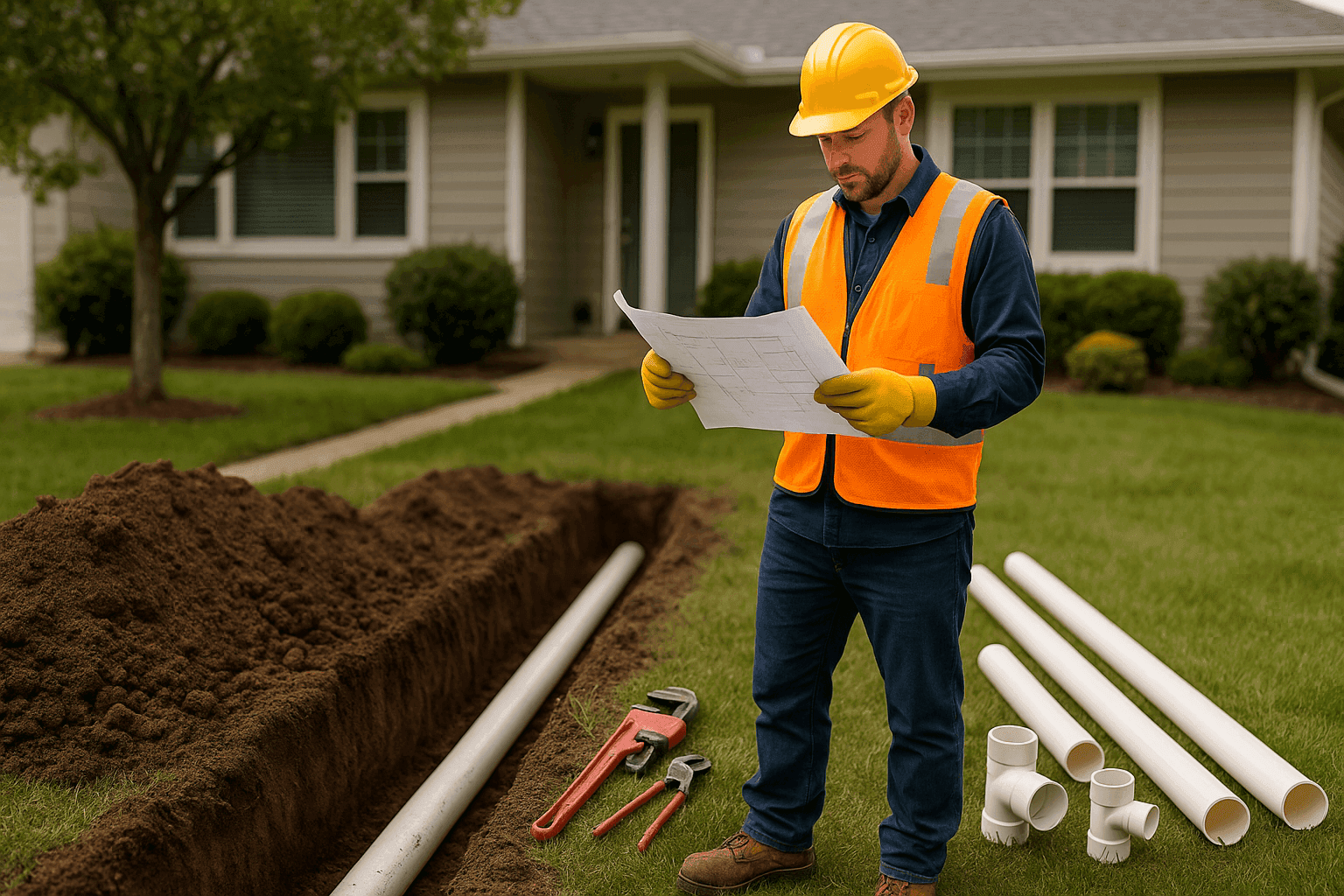
- Traditional Excavation: Picture a long, narrow ditch across your lawn. This method exposes the entire old pipe, making it easy to spot and replace damage. Downside? It’s disruptive. Landscaping, walkways, and driveways may need repairs afterward.
- Trenchless Technology: In many cases, Rooter Kings Plumbing offers trenchless sewer line installation. This method uses small access holes and special equipment to pull a new pipe through the old one. It’s less invasive—think “keyhole surgery” for your plumbing.
Your soil type matters. Rocky ground or dense clay may limit trenchless options, while sandy soil can make traditional digging trickier. In colder regions, we also consider frost depth to prevent future freezing.
Step-by-Step
- Inspection: We use camera technology to inspect the line and plan the best approach.
- Site Prep & Safety: Marking utilities, protecting nearby plants and features, and setting up safe work zones.
- Line Replacement: Old line is removed or relined, and new pipe is installed to code.
- Testing: Water-tightness and flow are checked before backfilling.
- Restoration: We return your property as close to its original state as possible.
Timeline and Costs
You want to know: How long will this take? What’s it going to cost?
What Impacts Duration?
- Length & Depth: Short, shallow lines go faster. Deep or long lines, or those under driveways, take more time.
- Soil Conditions: Rocky or frozen soil slows progress.
- Permitting: Some municipalities move quickly. Others require extra inspections.
- Weather: Heavy rains or hard freezes can stall work.
A typical sewer line installation for a residential home can range from one to several days, depending on these factors.
What Affects Price?
- Line Length: More feet, more materials and labor.
- Access: Hard-to-reach lines (under a garage or large tree) add complexity.
- Type of Pipe: PVC is common and cost-effective, while cast iron or specialty materials may be pricier.
- Method: Trenchless can save money on restoration, even if equipment costs are higher.
Costs vary widely. The best way to plan is to get a detailed written estimate from a licensed provider who will walk you through each step.
Choosing a Contractor
Not all plumbers are created equal—especially for jobs this big.
What to Look For
- Licensing & Insurance: Always check. This protects you if anything goes wrong.
- Modern Technology: Do they offer camera inspections? Trenchless installation? Up-to-date methods mean less disruption and more reliable results.
- References & Reviews: Ask for local references. A good company will have a solid track record in emergency plumbing and bathroom plumbing near you.
- Clear Warranty: Understand what’s covered (materials, labor, workmanship) and for how long. No one likes fine print surprises.
Rooter Kings Plumbing follows all state and local codes. We offer trenchless solutions wherever possible, making the process smoother for you and your family.
Local Soil and Frost Considerations 🌱
Soil isn’t just dirt—it’s history, geology, and climate rolled into one.
- Clay Soil: Common in the Midwest and South. Holds water, can shift, and stress pipes. May require special bedding or supports.
- Rocky Ground: Found in mountain regions or parts of the Northeast. Slows work. May bump up costs.
- High Water Table: Coastal or marshy areas. Pipes must be installed deep enough to avoid floating or shifting.
- Frost Line: In cold climates, pipes must be buried below the frost line—often 36 inches or more—to prevent freezing and bursting.
A local professional understands these nuances. We always check municipal requirements before a single shovel moves.
Safety Checklist Before Work Starts
Keep your family and property safe by confirming:
- All underground utilities are marked (call 811 before digging, or your local equivalent).
- Permits are posted and visible.
- Pets and children are kept away from the work zone.
- Your water service is scheduled for shut-off only as needed—and you’re notified in advance.
- Access routes won’t block emergency exits from your home.
The Occupational Safety and Health Administration (OSHA) provides guidelines for excavation safety. Your contractor should follow these rules on every job.
Practical Tips for Homeowners
- Ask questions: If something isn’t clear, speak up. No question is too small.
- Plan ahead: If you need to use the bathroom or kitchen during work, discuss alternatives with your plumber.
- Document everything: Take “before” photos of your yard and property. It helps with post-work restoration.
- Know who’s on site: Get a list of expected workers and vehicles for peace of mind.
DIY vs. Call a Pro
Sewer line installation is not a do-it-yourself job. The risks are high—think raw sewage, gas lines, or electric shocks. Mistakes can lead to property damage or code violations. For safety and legal reasons, always hire a licensed plumbing contractor.
What Professionals Do On Arrival
When Rooter Kings Plumbing arrives, here’s what you can expect:
- Review the problem and your property layout.
- Perform a camera inspection of your existing line.
- Explain options and answer all your questions.
- Coordinate with local authorities for permits and inspections.
- Keep your property tidy, minimizing disruption.
Sewer Line Installation FAQ
Q: Will I need to leave my home during installation?
A: Usually not. Most of the work is outside. Water may be shut off for short periods.
Q: Will my yard be ruined?
A: We use trenchless technology whenever possible to minimize digging. Some landscaping may need to be restored, but we’ll discuss this up front.
Q: How do I know if I need a full replacement or just a repair?
A: A camera inspection will show the condition of your existing pipes. We’ll walk you through the findings and options.
Q: What about future maintenance?
A: Keeping roots at bay and watching what goes down your drains helps. Annual inspections with a licensed plumber are a smart investment.
When It’s an Emergency
Raw sewage in your basement? Multiple drains backing up at once? Water gushing from the ground? These are emergencies—don’t wait. Call a professional immediately to prevent health hazards and bigger bills later.
Rooter Kings Plumbing is ready 24/7 for emergency plumbing needs, including sewer line repair and installation.
Final Thoughts
Installing a new sewer line isn’t just a big dig—it’s an investment in your home’s future safety and comfort. With the right contractor, modern technology, and a clear plan, you can tackle this project with confidence.
Call Rooter Kings Plumbing now — or reach us anytime at 877-359-8413 .