Sewer Line Repair vs. Replacement: How to Decide
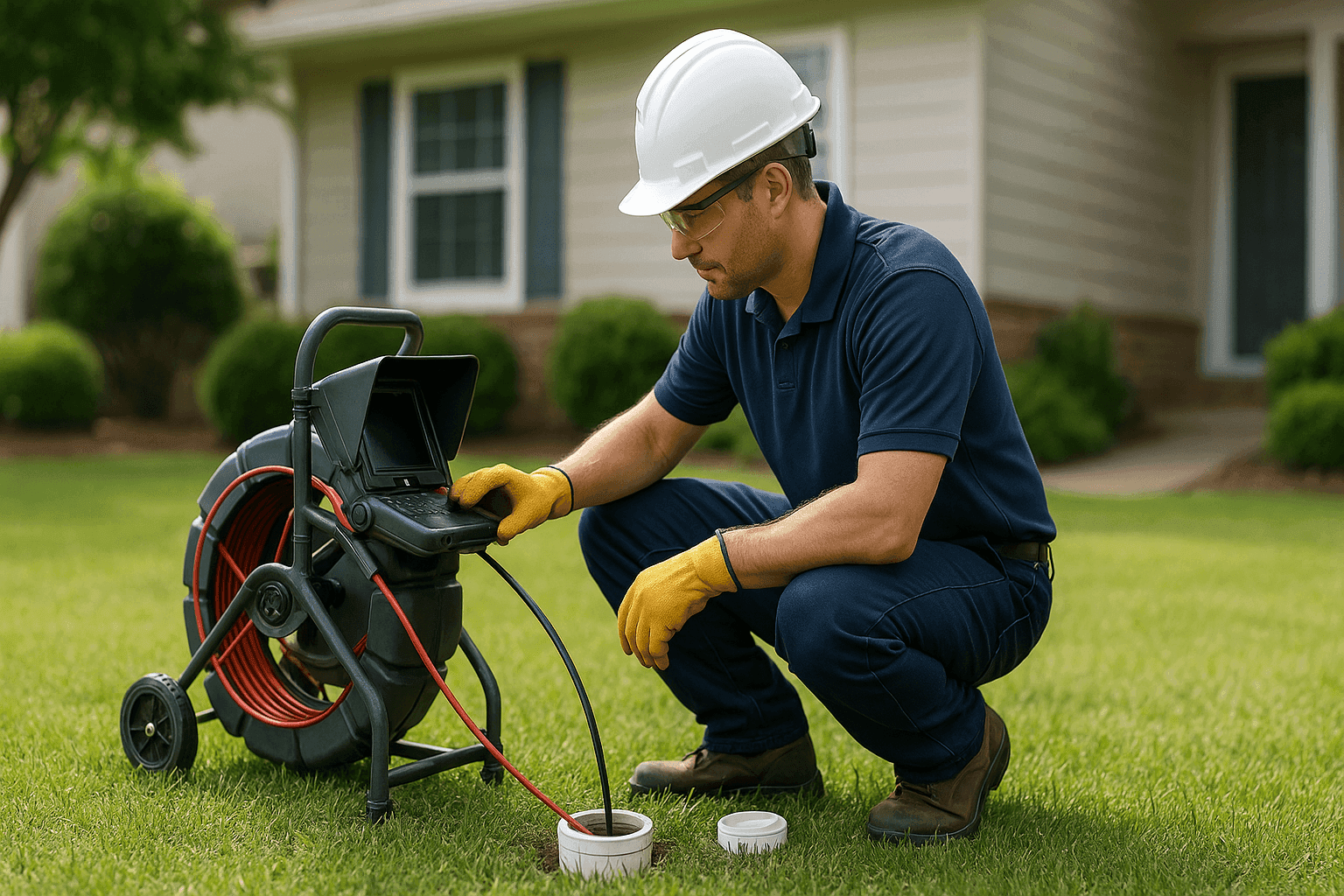
There’s nothing like a slow-draining sink or a soggy patch in your yard to make you worry about what’s happening underground. Sewer line trouble can sneak up on anyone, and when it hits, it’s urgent. Homeowners often wonder—should you fix the problem, or is it time for a full replacement?
At Rooter Kings Plumbing, we help families like yours make these decisions every day. We bring the latest technology, years of field experience, and a focus on safety to every sewer line job—because the right solution depends on much more than just the pipes.
Signs of Sewer Line Trouble 🚨
Let’s start with what you might notice at home. Sewer line issues often whisper before they shout. Here’s what to watch for:
- Drains slowing down. If your tub, shower, or sink starts emptying like molasses, your main sewer line may be partially blocked.
- Frequent backups. Toilets or floor drains that burble or overflow more than once are waving a red flag.
- Yard sogginess or odd smells. A patch of grass that’s greener, mushier, or smells like rotten eggs could mean a leaking sewer line beneath.
- Gurgling pipes. Air bubbling up when you flush or run water could signal a blockage further down.
These aren’t just annoyances—they’re early warning signs. Ignore them, and you might face a much messier emergency plumbing situation.
Repair vs. Replacement: How Do You Decide?
Deciding whether to repair or replace a sewer line isn’t as simple as patching a bike tire. Each home is unique—what works for a new build may not work for a century-old cottage.
Severity Assessment
- Minor cracks or isolated breaks: Spot repairs may do the trick if damage is limited.
- Widespread corrosion, collapsed pipe, or repeated failures: Here, replacement usually makes more sense in the long run.
A professional inspection, often using a sewer camera, pinpoints the damage. This helps homeowners avoid guesswork—and unnecessary digging.
Trenchless vs. Traditional Methods
- Trenchless repair: Like threading a new sleeve through the old pipe, this method (pipe lining or bursting) minimizes yard damage.
- Traditional replacement: Involves digging up the old line and installing a new one—sometimes necessary, especially if pipes have fully collapsed or shifted.
Cost Differences
- Repair: Usually less expensive up front, especially for single breaks.
- Replacement: Higher initial cost, but can save money over time if your line is failing in multiple spots.
Remember, the cheapest fix today can become the priciest headache tomorrow if it’s not the right fit for your home’s needs.
Sewer Line Technologies: What’s New?
The world of sewer line work isn’t stuck in the past. At Rooter Kings Plumbing, we use advanced tools to keep your home disruption to a minimum.
Pipe Bursting
Imagine pulling a new pipe through the old one, breaking the damaged line apart as it goes. That’s pipe bursting—great for replacing long stretches without digging up the entire yard.
Pipe Lining
This method coats the inside of the existing pipe with a durable epoxy, creating a “pipe within a pipe.” It’s less invasive and works well if the original line isn’t fully collapsed.
Spot Repair
When only a small section is bad, targeted repair can address just the damaged area. This is like patching a tire rather than replacing the whole thing.
Modern tech means more options, less mess, and often, faster results.
How to Choose: Repair or Replace?
Every home tells its own story. Here’s how to weigh the decision:
- Age of Pipes: Older clay, cast iron, or Orangeburg pipes (common in homes built before the 1970s) are more likely to fail again. Replacement may be best.
- Tree Root Intrusion: Some neighborhoods, especially those with mature trees and certain soil types, see more root invasion. Roots can crush or clog pipes, and ongoing issues might mean it’s time for new materials.
- Soil Conditions: Expansive clay soils (found in many regions) can shift and crack pipes, while sandy soils may allow pipes to settle unevenly.
- Home Value & Resale: A replaced sewer line can boost your home’s value and peace of mind for future buyers.
- Frequency of Problems: If you’re calling for emergency plumbing near you more than once a year, it’s time for a bigger fix.
At Rooter Kings Plumbing, we use sewer cameras and leak detection tools to give you a clear answer—no guesswork, just facts.
What to Do When You Notice Trouble
- Stop using water if possible to avoid a bigger backup.
- Call for help—especially if sewage is backing up indoors.
- Keep kids and pets away from wet or smelly areas outside.
- Don’t try to dig or clear lines yourself—you could worsen damage or hit gas lines.
If you smell gas or see standing sewage, treat it like an emergency. Your health and safety come first.
Local & Seasonal Factors
Sewer lines face different challenges depending on where you live:
- Older neighborhoods: More likely to have aging clay or cast iron pipes, which crack and let in roots.
- Heavy clay soil: Found in many regions, this expands and contracts with moisture, stressing pipes.
- High water tables: Can flood lines and accelerate corrosion.
- Tree types: Willows, maples, and poplars are especially notorious for seeking out water in pipes.
Rooter Kings Plumbing crews are trained to assess these factors—so the fix matches your local soil, weather, and tree risks.
FAQ: Sewer Line Repair vs. Replacement
How long does a sewer line repair or replacement take?
- Most repairs are done in a day. Full replacements can take 1–3 days, depending on length and method.
Will my yard be destroyed?
- Not necessarily. Trenchless methods can preserve landscaping, driveways, and patios.
Is sewer line work covered by homeowners insurance?
- Sometimes, but only if the damage is sudden and accidental. Always check your policy and talk to your insurer.
How can I prevent future problems?
- Schedule regular drain cleaning, avoid flushing wipes or grease, and have trees inspected. Preventative maintenance goes a long way.
For more details on codes and safety, check resources like the International Plumbing Code (IPC) and local building departments.
When sewer trouble strikes, don’t wait for a disaster. Rooter Kings Plumbing brings advanced technology and proven solutions to every bathroom plumbing, pipe repair, and emergency plumbing job—no matter where you live.
Call Rooter Kings Plumbing now — or reach us anytime at 877-359-8413 .