Sink Repair Tips: Fixing Leaks, Clogs, and Drips
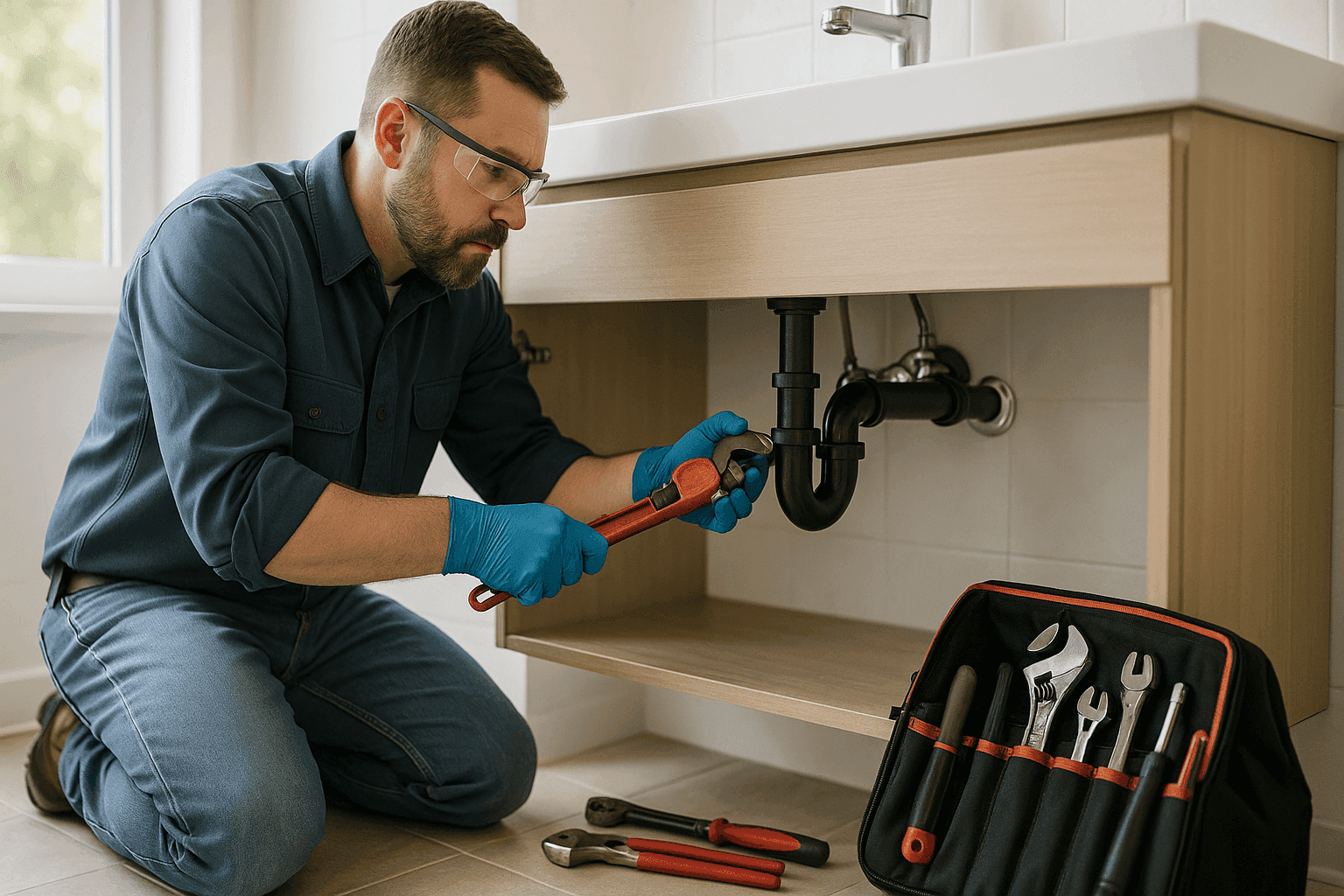
Is there anything more frustrating than a sink that won’t cooperate? Drips echoing in the middle of the night, water pooling under the cabinet, or a drain that gurgles instead of flowing—these are headaches that hit every homeowner at some point. When your kitchen or bathroom sink acts up, it’s not just an inconvenience. It can quickly become an emergency plumbing issue if not handled promptly.
At Rooter Kings Plumbing, we know how disruptive a faulty sink can be to your daily routine. Our team is on call, ready to help with urgent repairs, but we also believe in empowering you with clear, actionable advice. Let’s roll up our sleeves and dig into the most common sink problems—and what you can do about them.
Common Sink Problems 🚰
Every sink tells a story. Sometimes it’s a gentle drip, other times it’s the sudden rush of a clog. Here are the issues we see most often in homes just like yours:
- Dripping Faucets: That steady drip wastes water and can drive up your bill.
- Slow Drains: Water pooling around your ankles or the kitchen basin filling up? You’re not alone.
- Leaks Under the Sink: Water stains, warped cabinets, or the telltale smell of mildew are red flags.
- Garbage Disposal Issues: Strange noises, jams, or water backing up in the sink.
Each of these problems can range from minor annoyance to “grab-a-bucket” emergency. Knowing what you’re facing is half the battle.
Quick Sink Safety Checklist 🛑
Before you start poking around under the sink, take a moment to check these safety steps:
- Turn off the water: Locate the shut-off valves under the sink and twist them clockwise.
- Unplug appliances: If you’re working near a garbage disposal, unplug it first.
- Wear gloves: Protect your hands from sharp edges and grimy build-up.
- Have a towel or bucket ready: Leaks can escalate fast.
Safety first. Every time.
DIY Repair Steps: Taming Leaks, Clogs, and Drips
Not every sink problem needs a plumber right away. Here are some straightforward steps you can try at home.
Tightening Connections
Many leaks under the sink come from loose connections. Grab a wrench and:
- Check the nuts on the water supply lines.
- Gently tighten them—don’t overdo it or you risk damaging the threads.
- Inspect the P-trap (the curved pipe under the sink) and ensure all fittings are snug.
Cleaning the Trap
A slow or smelly drain often points to a clogged P-trap. Here’s how you can clear it:
- Place a bucket under the P-trap to catch any water.
- Unscrew the slip nuts on both ends of the trap.
- Remove the trap and clean out debris, hair, or gunk.
- Reassemble, making sure the connections are tight.
Clearing Minor Clogs
If the water’s still not moving, try a plunger:
- Fill the sink with a few inches of water.
- Place the plunger over the drain and push firmly several times.
- If that doesn’t work, use a non-caustic drain cleaner or a drain snake for stubborn clogs.
Garbage Disposal Fixes
If your kitchen sink is clogged and you have a garbage disposal:
- Make sure it’s off and unplugged.
- Check for visible obstructions and clear them with tongs—not your fingers.
- Use the reset button on the bottom if the unit won’t turn on after clearing jams.
These steps solve most minor sink issues. If the problem sticks around, it’s time to consider calling in the pros.
When to Call for Help
There’s a moment when DIY hits a wall. If you spot any of these, it’s time to pick up the phone:
- Persistent Leaks: If you’ve tightened everything and water keeps appearing, there could be a cracked pipe or fitting.
- Water Stains or Mold: Brown spots or fuzzy patches on cabinets mean water’s been leaking for a while.
- Sewer Odors: A rotten egg smell signals a venting or drain issue that needs professional tools.
- Recurring Clogs: If you’re plunging every week, something deeper is wrong.
Some sink problems are the tip of the iceberg. What looks like a small leak can hide bigger damage behind the walls or under the floor. Emergency plumbing isn’t just about speed—it’s about making sure the issue gets fixed right the first time.
Rooter Kings Plumbing’s technicians have seen it all. Fast response, clear communication, and the right tools for the job. That’s what we bring to your door.
What Pros Do When They Arrive
Wondering what happens when you call for help? Here’s what to expect:
- Thorough Inspection: We check visible pipes, shut-off valves, and connections.
- Leak Detection: Professionals use moisture meters and pressure tests to spot hidden leaks.
- Code-Safe Repairs: Repairs meet local plumbing codes and safety guidelines (per the International Plumbing Code).
- Fixture Testing: After repairs, we test everything—no drips, no surprises.
You’ll get a clear explanation of what’s wrong and what it’ll take to fix it.
Prevention & Maintenance
An ounce of prevention is worth a pound of repairs. Here’s how to keep your sinks running smooth:
- Clean the P-trap every few months.
- Don’t pour grease or food scraps down the drain.
- Use drain screens to catch hair and debris.
- Run hot water through the garbage disposal weekly.
- Check under the sink for signs of moisture or leaks.
Regular checks can prevent those midnight emergencies and save you money long-term.
Costs & Time Factors
Repair costs depend on the problem’s complexity, the parts needed, and how accessible your pipes are. Simple fixes (like tightening connections or clearing a trap) can take under an hour. More involved repairs—such as replacing pipes or dealing with water damage—may require several hours or more.
Remember, quick fixes that don’t last can lead to bigger bills down the road. Professional repairs not only address the immediate issue but also help spot lurking problems.
When It’s a Sink Emergency
Some sink troubles can’t wait:
- Water flooding under the sink.
- No water at all due to a broken shut-off valve.
- Kitchen or bathroom plumbing near you that’s backing up into other fixtures.
- Gas leaks from a nearby line (always a 911 call first).
A true emergency can cause damage fast. Rooter Kings Plumbing is ready 24/7 to respond.
FAQ: Sink Repair
How do I know if the leak is serious?
If you see water stains, mold, or puddles that keep coming back, it’s serious. Call for help.
Is it safe to use chemical drain cleaners?
Many over-the-counter cleaners can damage pipes or harm septic systems. Use a plunger or call a professional for stubborn clogs.
What should I do if my garbage disposal is humming but not working?
Turn it off, unplug it, and check for jams. Press the reset button underneath. If it still doesn’t work, call for service.
Are there plumbing codes I should know about?
Yes! Repairs should follow local building codes and the International Plumbing Code for safety and long-term function.
Local & Seasonal Considerations 🏡
In some homes, seasonal changes bring unique sink challenges:
- Winter: Pipes under sinks can freeze, causing cracks or leaks.
- Spring: Heavy rains can back up sewer lines, especially if you have a basement or sump pump.
- Local Water Quality: Hard water can build up in faucets and valves, leading to slow leaks or corrosion.
If you have a garbage disposal, know that certain foods (like celery, coffee grounds, or eggshells) can clog or jam the unit. Regular maintenance and mindful usage go a long way.
Keep Your Sinks Flowing
A leaky or clogged sink isn’t just a nuisance—it can be the start of bigger plumbing headaches. Whether you need a quick fix or full-scale emergency plumbing, Rooter Kings Plumbing is here for you.
Call Rooter Kings Plumbing now — or reach us anytime at 877-359-8413 .