Solving Low Water Pressure: Causes and Fixes for Homes
Have you ever turned on your shower, only to be greeted by a trickle instead of a refreshing stream? Low water pressure isn’t just annoying—it disrupts routines, wastes time, and can sometimes hint at bigger plumbing problems waiting in the wings.
At Rooter Kings Plumbing, we know how urgent these moments feel. Water pressure issues can strike any home, any time, and often without warning. You deserve clear answers and reliable help, especially when it feels like everything has come to a standstill.
Common Causes of Low Water Pressure 🚿
Low water pressure is often the symptom, not the disease. Like a detective tracing footprints, finding the real culprit is key. Here are some usual suspects:
- Hidden Leaks: Even a pinhole leak behind a wall can rob your whole home of pressure. According to the Environmental Protection Agency (EPA), household leaks waste nearly a trillion gallons of water a year nationwide.
- Mineral Buildup: Hard water leaves stubborn deposits in pipes and fixtures, slowly choking off flow. It’s like cholesterol in your home’s arteries.
- Faulty Pressure Regulators: These devices maintain safe pressure. When they fail, water pressure can plummet—or surge dangerously.
- Municipal Supply Issues: Sometimes, the problem starts before water even enters your house. Street repairs, hydrant use, or citywide maintenance can all mean weaker pressure.
- Aging Pipes: Especially in older neighborhoods, pipes may corrode, break, or become too narrow for good flow.
DIY Troubleshooting: First Steps to Take
Before you call for emergency plumbing, there are a few quick checks you can do:
- Check All Faucets: Is the problem everywhere, or just in one spot? If it’s just one sink or shower, the fix may be simple.
- Inspect Faucet Aerators: Unscrew the tip of your faucet. Is it full of grit or white scale? Clean it with vinegar and a toothbrush—sometimes that’s all it takes.
- Test Shut-Off Valves: Make sure the main water valve and fixture shut-offs are fully open. Someone may have turned them partially closed during a repair.
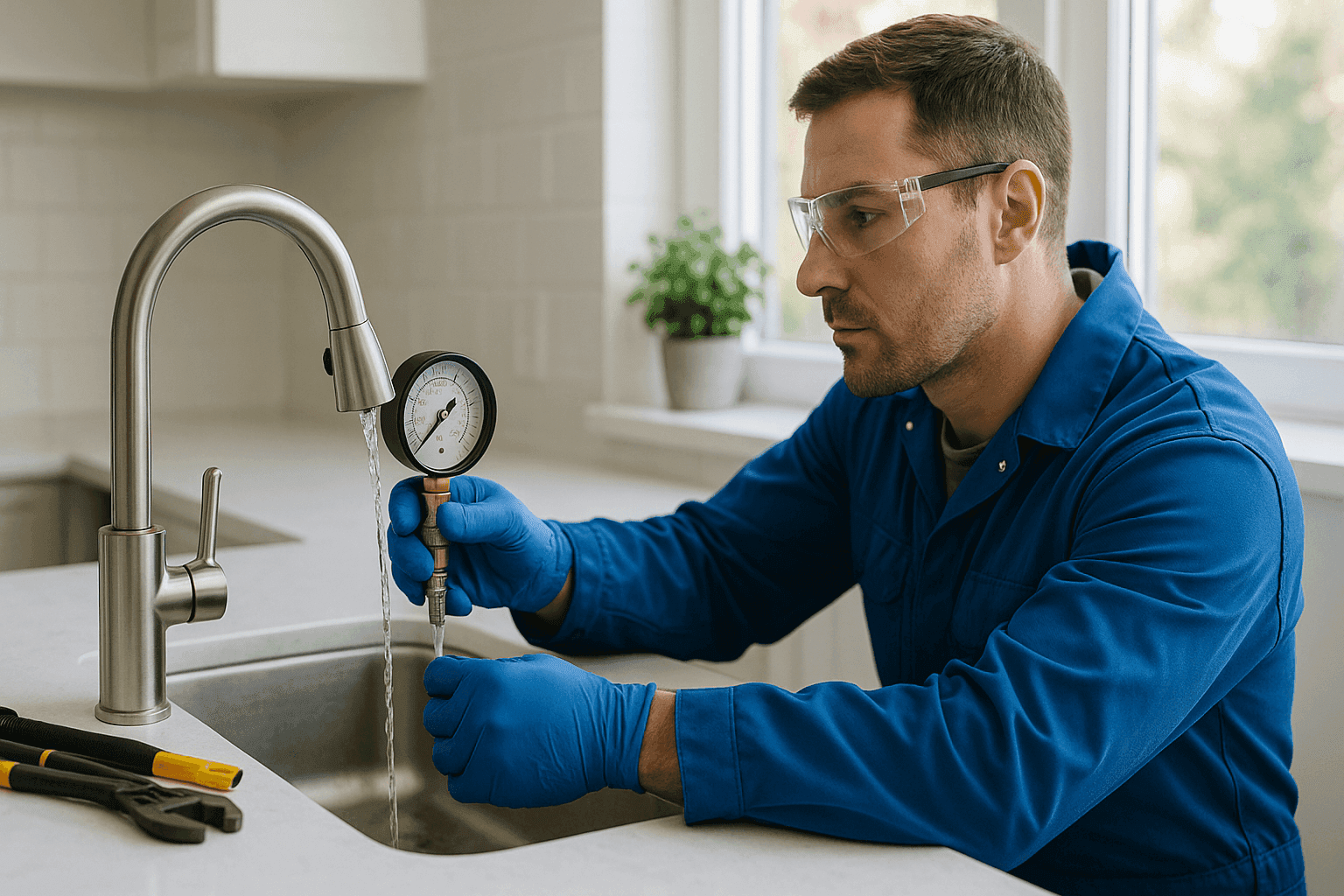
- Use a Pressure Gauge: Pick up an inexpensive gauge at the hardware store. Attach it to an outside spigot and check. Normal household pressure is 40–80 psi (per local plumbing code). Anything much lower may signal a bigger issue.
- Look for Signs of Leaks: Wet spots, unexplained puddles, or the sound of running water behind walls? These are red flags.
Professional Solutions: What Plumbers Do Differently 🛠️
Sometimes, fixing water pressure is like untangling a knot that’s hidden deep in the skein. Here’s what our licensed team brings:
- Advanced Leak Detection: Rooter Kings Plumbing uses non-invasive technology to pinpoint leaks—even behind walls, under floors, or in the yard.
- Pipe Repair and Repiping: For old, corroded, or damaged pipes, we can replace sections or, if needed, the whole run. New copper or PEX piping restores pressure and reliability.
- Pressure Booster Installation: If the city supply is low, we can install a pressure booster pump and tank. It’s like giving your plumbing a second wind.
- Water Softener & Filtration: Regions with hard water benefit from softeners that prevent mineral buildup, keeping pipes clear for years.
- Regulator Replacement: A faulty or outdated pressure regulator can be upgraded for smoother, more consistent flow.
All work meets or exceeds local and national plumbing codes (such as the Uniform Plumbing Code and International Plumbing Code), so you never have to worry about safety or compliance.
Quick Safety Checklist Before You Begin
- Turn off electricity near wet areas.
- Never use tools on gas lines—leave that to licensed pros.
- If you spot major water leaks, shut off your home’s main water valve.
- Don’t try to open up walls or floors unless you know what’s behind them.
- Wear gloves and eye protection when working with tools or chemicals.
DIY vs. Call a Pro
When can you handle it yourself? And when is it time to contact emergency plumbing?
DIY-Friendly:
- Cleaning faucet aerators.
- Opening shut-off valves.
- Changing showerheads or simple fixtures.
Call a Pro If:
- Pressure is low throughout your whole home.
- You see signs of active leaks or water damage.
- Pipes are old, corroded, or starting to fail.
- Water pressure changes suddenly or drops to near zero.
- You’re unsure about municipal vs. in-home issues.
What Pros Do On Arrival
Here’s what to expect from a professional team like Rooter Kings Plumbing:
- Systematic Testing: We check pressure at key points—main shut-off, fixtures, and outside spigots—to locate the source.
- Inspection Cameras: For hidden pipe issues, we use specialized cameras that snake into pipes, revealing blockages, corrosion, or cracks.
- Leak Detection Equipment: Sensitive audio and thermal tools help us find leaks without cutting into walls.
- Regulator and Valve Checks: We test and adjust (or replace) pressure regulators and valves for optimal flow.
- Clear Communication: Before any work begins, we explain findings and outline your options—no surprises.
Prevention & Maintenance: Keep the Flow Strong 💧
The best fix is the one you never need. Here’s how to keep water pressure healthy year-round:
- Schedule annual plumbing inspections, especially in older homes.
- Flush your water heater once a year to prevent sediment buildup.
- Install a whole-home water softener if you live in a hard water area.
- Replace old supply lines and fixtures before they fail.
- Watch for early signs: slow drains, changes in color, or odd noises.
These steps follow best practices recommended by the American Society of Plumbing Engineers (ASPE).
Costs & Time Factors
Plumbing repairs vary, but here’s what shapes costs and timing:
- Scope of the Problem: Cleaning a faucet is fast and cheap. Repiping a home takes more time and materials.
- Diagnosis: Pinpointing leaks or blockages with advanced tools can save money by avoiding unnecessary repairs.
- Parts & Labor: New pressure regulators, booster pumps, or water softeners have different price points. Labor varies based on access and complexity.
- Emergency Calls: After-hours or urgent repairs cost more, but sometimes waiting isn’t an option.
Most simple fixes (like aerator cleaning or minor leak repair) can be done in under an hour. Full repiping can take several days, depending on your home’s size and age.
When It’s an Emergency
Certain signs mean you shouldn’t wait:
- Water pressure drops to a trickle or stops completely.
- You see or hear water leaking behind walls or ceilings.
- Multiple fixtures are suddenly affected.
- There’s visible flooding or standing water.
- Sewer odors or backup accompany the pressure drop.
In these cases, call for emergency plumbing service right away. Quick action limits damage and protects your home.
FAQ: Low Water Pressure
Why did my water pressure drop suddenly?
Often, this points to a burst pipe, broken regulator, or a major municipal issue. If you can’t find a simple fix, call a pro.
Is low water pressure dangerous?
Chronic low pressure can signal leaks that lead to water damage or mold. In rare cases, sudden low pressure is linked to backflow risks (see your local plumbing code for details).
Can installing a water softener help?
Yes, especially if hard water causes mineral buildup in pipes and fixtures.
How do I know if the problem is inside or outside my house?
Test pressure at an outdoor spigot. If it’s low there too, the problem may be with the city supply or your main line.
Local & Seasonal Considerations 🏡
Many older homes—especially those built before the 1970s—have galvanized pipes that corrode and clog over time. If your home is historic or has never been updated, you’re more likely to encounter pressure issues.
Living in a region with hard water? Mineral buildup happens faster, affecting everything from showerheads to main pipes. Seasonal changes (like freezing winters) can also cause pipes to contract, leak, or burst, suddenly dropping pressure.
If you’re in an area known for aging infrastructure, municipal supply interruptions may be more common. Keep an eye on local advisories.
Low water pressure shouldn’t bring your day to a halt. Whether it’s a quick fix or a deeper issue, Rooter Kings Plumbing brings technology, experience, and a commitment to getting your water—and your life—flowing smoothly again.
Call Rooter Kings Plumbing now — or reach us anytime at 877-359-8413 .