Sump Pump Repair and Maintenance: Flood Prevention for Basements
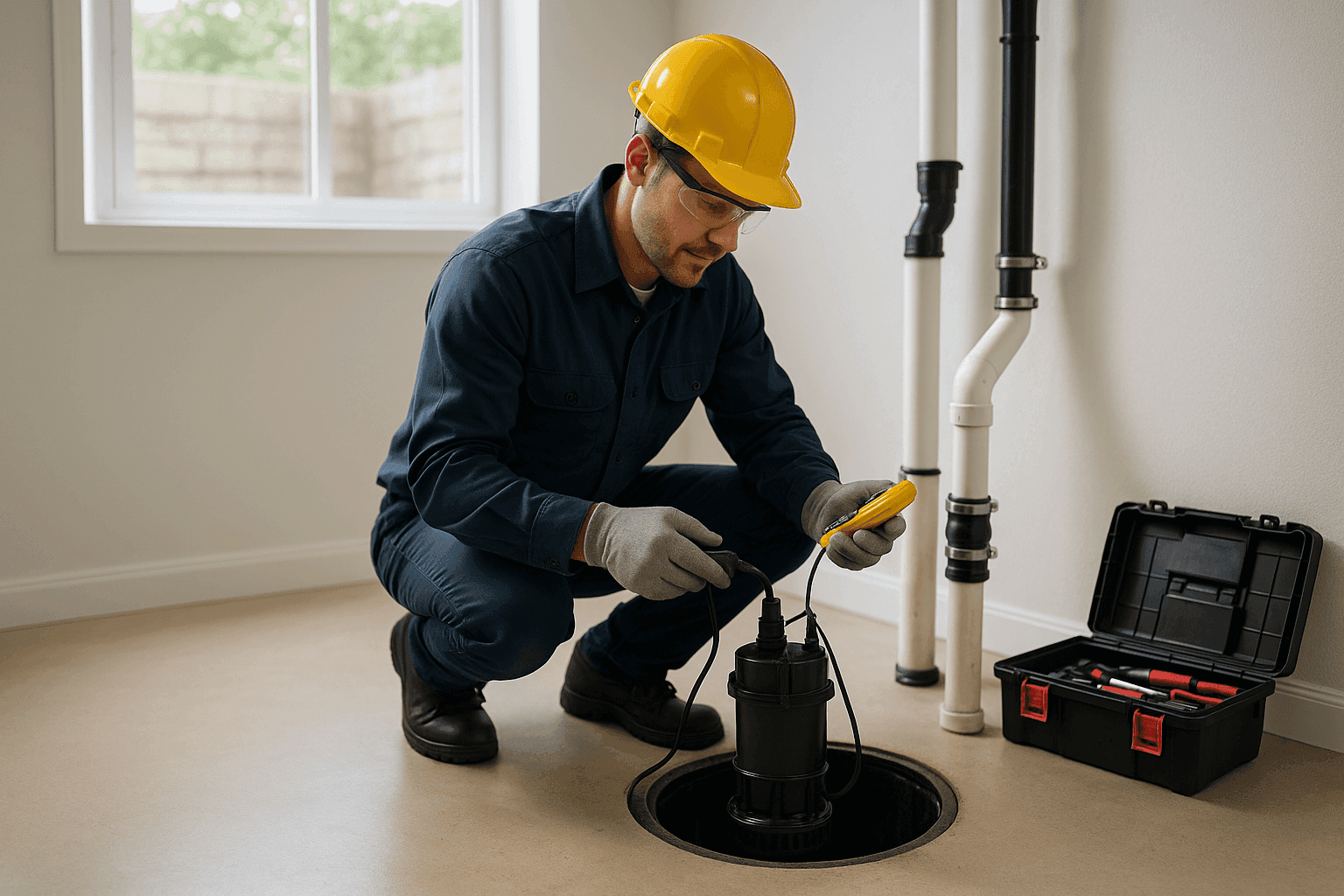
Basement water is unforgiving. It seeps in when you least expect it, threatening your memories, your floors, and your peace of mind. At Rooter Kings Plumbing, we know the sick feeling that comes with a rising puddle—and the relief when your sump pump kicks in just in time.
Storms don’t wait for business hours. Neither do cracked pipes, stuck switches, or power outages. That’s why understanding sump pump repair and maintenance isn’t just for the handy or the plumbing pros. It’s for anyone who wants to keep their home dry, safe, and comfortable—especially when the rains won’t stop.
How Sump Pumps Work ⚙️
A sump pump is like your basement’s silent lifeguard. When water creeps in, it’s there—hidden in a pit (the “sump basin”), ready to push water away from your foundation before it can cause trouble.
Types of Sump Pumps
- Pedestal pumps: Motor sits above the pit. Easier to repair, but louder.
- Submersible pumps: Motor is inside the pit, sealed from water. Quieter, more powerful, but harder to access.
Typical Locations
- Basements with a history of flooding
- Homes built on high water tables
- Crawlspaces in storm-prone regions
The Purpose
The pump’s job is simple: When water fills the pit, a float rises—like a cork in a bottle. Once the float reaches a certain height, the pump switches on and sends the water outside, away from your home. No drama—unless something goes wrong.
Common Sump Pump Problems
Even the toughest pumps stumble sometimes. The most frequent issues we see during emergency plumbing calls include:
- Power loss: Storms knock out electricity. Without backup, the pump sits silent.
- Stuck or faulty switches: The float gets wedged or the switch fails, and water levels rise unchecked.
- Clogs and debris: Dirt, small stones, or silt jam the impeller, stopping the pump in its tracks.
- Frozen or blocked discharge lines: Water has nowhere to go and flows right back into your basement.
- Aging or worn pumps: Most pumps work for 7–10 years. After that, reliability drops fast.
Think of your sump pump like an umbrella—great, until it springs a leak when you need it most.
DIY Sump Pump Maintenance You Can Do
A little attention goes a long way. If you’re comfortable with basic home care, these steps can keep your pump humming:
- Unplug and inspect: Once a season, unplug your pump. Check for mud, gravel, or debris in the pit. Clean it out with gloves and a small bucket.
- Test the float: Pour water into the pit until the float rises. The pump should kick on, drain water, and shut off smoothly.
- Inspect the discharge line: Walk outside and look for the end of your drain hose. Make sure it’s free of leaves, ice, or critter nests.
- Listen for odd noises: Grinding, rattling, or humming can mean trouble.
- Backup options: Consider a battery backup or water-powered backup pump. These can save your basement during power outages.
Always follow manufacturer instructions and safety guidelines. For electrical work, consult the National Electrical Code (NEC) or a licensed professional.
When to Call for Sump Pump Repair
Some warning signs can’t wait. If you spot any of these, call for emergency plumbing help right away:
- Water rising in the pit, but the pump won’t start
- Burnt smells or visible sparks from the pump
- Pump runs constantly, even when pit is dry
- Floodwater creeping across your basement floor
- Strange noises, especially grinding or screeching
Floods move fast. If your basement is at risk, don’t wait. Your home’s foundation, furnace, and even your electrical system can be at risk.
Rooter Kings Plumbing is ready for storm season and the curveballs high water tables throw. We’re the team your neighbors call when water threatens your peace of mind.
Quick Sump Pump Safety Checklist
- Always unplug the pump before cleaning or inspecting.
- Never reach into a pit with standing water if electrical wires are exposed.
- Test your pump before heavy rain is forecast.
- Keep the area around the pit clear—no boxes, bags, or clutter.
- If you smell gas or see sparks, evacuate and call emergency services.
DIY or Pro? When to Tackle It Yourself vs. Calling Rooter Kings Plumbing
Some chores are safe for homeowners. Others need a pro’s steady hand.
Good for DIY
- Cleaning the basin
- Testing the float switch
- Checking the discharge line outside
Call an Emergency Plumber When
- The pump fails electrical tests
- You spot leaks in connected pipes
- There’s standing water and the pump won’t start
- You notice rust, corrosion, or melted wires
Rooter Kings Plumbing has seen it all—basements filling fast in the middle of the night, pumps failing during the first spring thaw, and even homes with multiple pumps that all needed help at once. Don’t second-guess when things get risky.
What Happens When a Pro Arrives
When you call for emergency plumbing, here’s what to expect:
- Visual inspection: We check the pit, pump, float, and discharge line for obvious problems.
- Electrical checks: Using meters, we safely test the pump’s power and switch operation.
- Mechanical tests: We manually trigger the float and test pumping action.
- Repairs or replacement: We address what’s fixable—sometimes on the spot—or recommend a new pump if it’s past its prime.
- Cleanup: We help you manage any immediate flooding, setting up fans or sump alarms if needed.
We follow all local building codes and safety standards, including manufacturer installation guides and EPA recommendations for water discharge.
Prevention & Long-Term Maintenance
Keeping your sump pump healthy means fewer surprises:
- Annual checkup: Schedule a professional inspection every year, especially if your area is prone to storms or rapid snowmelt.
- Test before the rainy season: Don’t wait until the first thunderstorm.
- Keep a backup pump: Battery-powered models can be lifesavers.
- Install a sump pit cover: This keeps out debris and pets.
- Label the circuit breaker: In an emergency, you’ll find it fast.
A little effort now beats hours of cleanup later.
Costs & Time Factors
Sump pump repair and maintenance costs can vary:
- Simple fixes (like cleaning or float adjustment): Quick and affordable, often under an hour.
- Replacing a switch or float: 1–2 hours, more if access is tricky.
- Full pump replacement: 2–4 hours, factoring in wiring and discharge line setup.
- Emergency calls: Cost more after hours, but prevent much bigger damage.
The cost of ignoring a failing pump? Far higher. Water damage can run into thousands, not to mention lost keepsakes and weeks of inconvenience.
When It’s an Emergency
It’s always better to be safe than soggy. Call for immediate help if:
- Water starts pooling on the basement floor
- Storms knock out power and your pump has no backup
- The pump is dead silent when the pit is full
- You hear alarms or see flashing sump pump lights
Remember, when water threatens your basement, time is everything. Emergency plumbing is just a call away.
Frequently Asked Sump Pump Questions
How often should I test my sump pump?
Test it every 3–4 months, and always before expected heavy rain.
Do I need a battery backup?
If your area loses power during storms, a backup can be the difference between a dry basement and a disaster.
Can a sump pump handle sewage?
No—sump pumps are for groundwater. Basement bathrooms need a separate sewage ejector pump.
What’s the lifespan of a typical sump pump?
Most last 7–10 years with regular maintenance.
Local and Seasonal Considerations 🌧️
If you live in an area with a high water table, historic rainfall, or regular storms, sump pump care isn’t optional—it’s essential. Areas with clay soil or poor drainage are especially vulnerable. Spring and late summer bring heavy rains. Winter thaws can overwhelm pumps when ice in discharge lines causes backups.
Rooter Kings Plumbing is tuned into local codes and seasonal patterns. We help homeowners prepare for “that time of year” when the ground can’t absorb one more drop.
Basement flooding is a homeowner’s worst nightmare—but it doesn’t have to be yours. Stay ahead of the next storm with regular sump pump checks, smart maintenance, and fast action when problems crop up.
Call Rooter Kings Plumbing now — or reach us anytime at 877-359-8413 .