Toilet Repairs Made Easy: DIY Fixes and When to Call a Plumber
Ever hear that ominous gurgle from the bathroom, only to discover your toilet is running like it’s training for a marathon? Or maybe there’s a puddle gathering at the base, and you can’t quite tell where it’s coming from. You’re not alone. At Rooter Kings Plumbing, we know toilet troubles don’t wait for office hours. They strike anytime, and when they do, they can throw your whole day off balance.
This guide is here to help you take charge—whether you’re grabbing a plunger or picking up the phone for emergency plumbing. We’ll walk through common problems, easy fixes you can try at home, and the signs that it’s time to call in a pro. Your bathroom should be a sanctuary, not a source of stress.
Most Common Toilet Problems 🚽
Even the best toilets need a little help now and then. Here are the issues we see most often in homes:
- Running Water: The sound of an endless trickle is more than annoying—it wastes water and money. According to the EPA, a running toilet can waste hundreds of gallons per day.
- Clogs: Everything seems fine until suddenly, nothing goes down. Whether it’s too much tissue or the wrong item flushed, blockages are a top complaint.
- Leaks at the Base: Water pooling around the toilet’s foot isn’t just unsightly—it can damage floors and signal a failed seal.
- Weak Flush: If your toilet seems to sigh instead of flush, you could be dealing with low water pressure, hidden clogs, or issues with the flush mechanism.
Think of your toilet as a reliable old car. Most days, it’s smooth sailing. But even a trusty ride needs a tune-up now and then.
DIY Repair Steps: Try These First
Before you call in the cavalry, some problems have quick, safe fixes. Here’s how to roll up your sleeves and tackle the basics.
Replacing the Flapper
If your toilet won’t stop running, the culprit is often the flapper—a rubber stopper inside the tank. Over time, it gets brittle and doesn’t seal well.
- Turn off the water at the shutoff valve near the floor.
- Flush the toilet to empty the tank.
- Unhook the old flapper from the chain and pegs.
- Snap on a new flapper (available at any hardware store).
- Reconnect the chain, turn the water back on, and test.
Tightening Bolts
A wobbly toilet or leaks at the base often mean the bolts anchoring the toilet to the floor have loosened.
- Gently tighten the bolts with a wrench, alternating sides to keep things even.
- Don’t overdo it—too much force can crack the porcelain.
Safe Plunging
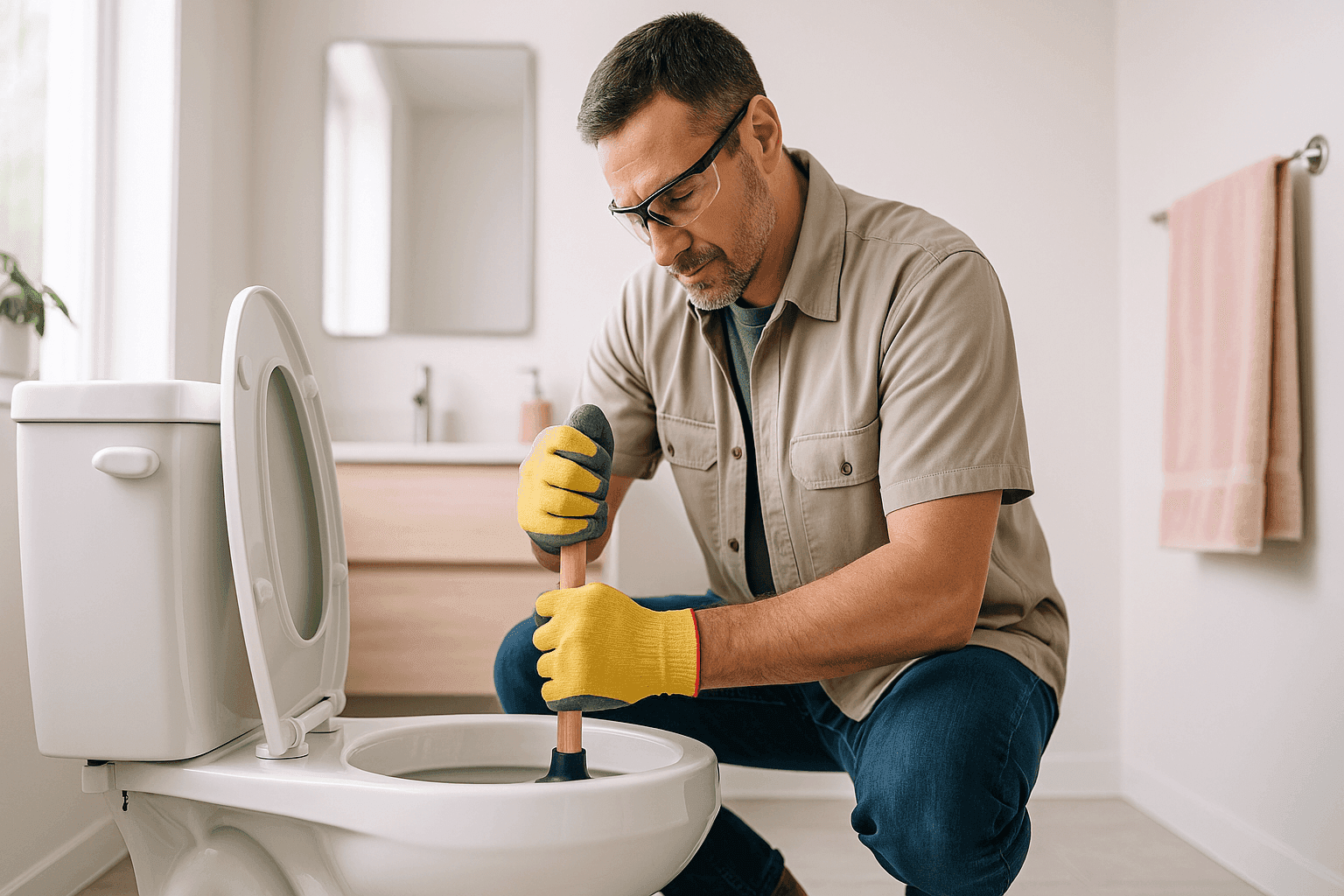
A good plunger is your best friend for most clogs. But technique matters:
- Use a flange plunger (the kind with the extra collar at the bottom).
- Create a seal over the hole, then push and pull with steady force.
- Avoid harsh drain cleaners. They can damage your pipes and make things worse.
If the water level won’t budge after a few rounds, it’s time to consider professional help.
When to Call a Plumber
Some problems are like icebergs—what you see is just the tip. Here’s when it’s best to bring in Rooter Kings Plumbing:
- Cracked Tank or Bowl: A visible crack means the toilet could fail completely, leading to flooding and water damage.
- Recurring Clogs: If you’re reaching for the plunger every week, there could be a deeper issue in your pipes or sewer line.
- Water Around the Toilet: Leaks that return after tightening bolts or replacing the wax ring need professional attention—fast.
- Sewer Odors: Persistent smells can signal venting issues or a break in your sewer line.
Don’t ignore these red flags. Plumbing problems rarely fix themselves, and waiting can mean bigger repairs down the road.
Quick Safety Checklist
Before you start any DIY plumbing, keep these essentials in mind:
- Turn off the water at the shutoff valve.
- Wear gloves to protect against germs and chemicals.
- Keep children and pets away from the repair area.
- Use proper tools—a plunger, adjustable wrench, and flashlight are good basics.
- Don’t force parts—if something doesn’t budge, forcing it can break seals, gaskets, or porcelain.
Remember, plumbing is about pressure and water. Respect both.
DIY vs. Calling a Pro: How to Decide
Still on the fence? Here’s a quick guide:
- DIY is fine when: The fix is simple, the part is easy to reach, and you feel confident. Think flapper swaps, quick plunges, or tightening a bolt.
- Call Rooter Kings Plumbing when: There’s a crack, water is pouring out, you’ve tried DIY with no luck, or you notice anything out of the ordinary—like gurgling sounds in other drains.
A good rule of thumb: If you’re unsure, make the call. Better safe than soaked.
What Plumbers Do On Arrival
When our team arrives, we bring more than a toolbox—we bring experience and the right parts:
- Thorough Inspection: We assess the toilet, pipes, and surrounding floor for hidden problems.
- Code Compliance: Repairs are made to comply with local building codes and water efficiency standards, especially important with low-flow toilets.
- Quality Parts: We use only reliable, manufacturer-approved components—no shortcuts, no guesswork.
- Clean-Up: Once done, we leave your bathroom as clean as we found it.
We know time matters. So we work efficiently—without sacrificing care.
Prevention & Maintenance
Toilets last longer with a little TLC. Here’s how to keep yours humming:
- Check for leaks monthly—look at the base and behind the tank.
- Test the flapper at least twice a year.
- Flush only waste and toilet paper. Avoid flushing wipes, cotton balls, or feminine products.
- Annual inspections by a professional catch small issues before they become emergencies.
A few minutes of attention now can save you from an untimely emergency plumbing call later.
Costs & Time Factors
Toilet repairs don’t have to break the bank—or your schedule. Here’s what to expect:
- DIY fixes (like flappers or minor clogs) usually cost just a few dollars and can be done in under an hour.
- Professional repairs vary with the issue. Basic repairs (like wax ring replacement) often take about an hour. Complex jobs (like replacing the whole toilet or fixing a hidden leak) can take longer.
- Parts matter: High-efficiency and low-flow toilets may require specialized components, sometimes taking extra time to source.
Remember, investing in proper repairs helps avoid bigger costs from water damage or repeated issues.
When It’s an Emergency
Sometimes, you can’t wait. Here’s how to know it’s time for emergency plumbing:
- Overflowing toilet that won’t stop
- Water flooding the bathroom
- Sewage backing up into the toilet or tub
- Strong sewage odors in the home
If any of these happen—especially after hours—call Rooter Kings Plumbing immediately. Fast action can limit damage and restore your peace of mind.
FAQ: Toilet Repair Questions
Q: Why does my toilet keep running after I flush?
A: Usually, it’s a worn flapper or a problem with the fill valve. Both are quick fixes for most DIYers.
Q: Is it normal for water to seep out at the base?
A: No. This usually points to a bad wax ring or loose bolts—issues that need prompt attention to prevent floor damage.
Q: Can I use chemical drain cleaners for a clog?
A: It’s not recommended. Chemicals can damage pipes and toilet parts. Stick with a plunger or call for help.
Q: How do I know if I have a leak I can’t see?
A: Add a few drops of food coloring to the tank. If color appears in the bowl without flushing, you have a leak.
Local and Seasonal Considerations
In many areas, local plumbing codes require toilets to meet water efficiency standards (like low-flow models). If you’re updating or installing a new toilet, make sure it complies—this helps conserve water and keeps you in the clear with local inspectors.
Cold weather? Frozen pipes can affect toilet performance. Regular preventative maintenance can catch problems before they freeze up your day.
Conclusion
Toilet troubles can be a hassle, but with a few simple steps, many issues are easy to fix. When the job is bigger—or you just want peace of mind—Rooter Kings Plumbing is here for you. Our team uses only quality parts and works to keep your home safe, efficient, and up to code.
Call Rooter Kings Plumbing now — or reach us anytime at 877-359-8413 .