How to Unclog a Toilet: Step-by-Step for Homeowners
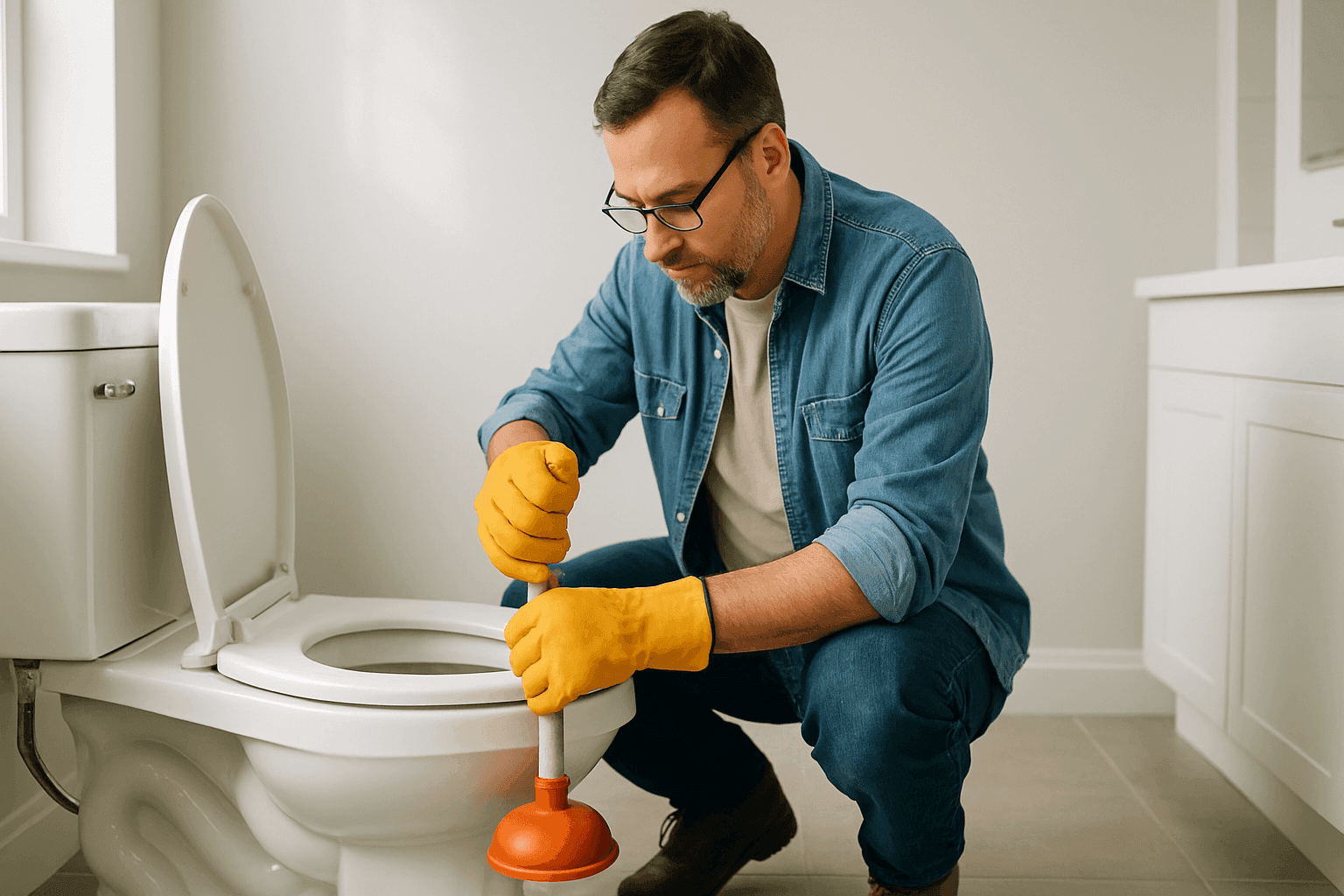
When the water rises instead of draining, panic can set in fast. Whether it's after a family dinner, a holiday weekend, or just a random Tuesday, a clogged toilet brings life in your home to a sudden, awkward halt. At Rooter Kings Plumbing, we know that a stuck toilet isn’t just a nuisance—it’s an urgent problem, especially with a house full of guests or curious little ones around.
Our emergency plumbing team has helped countless homeowners tackle stubborn bathroom plumbing issues, day or night. We're here to share step-by-step guidance, so you can handle minor blockages with confidence—and know exactly when it’s time to call for help.
Signs of a Stubborn Clog 🚽
Some toilet clogs are minor hiccups. Others are like a traffic jam that won’t budge. Here’s how to spot a tough clog:
- Slow draining: After a flush, water lingers, swirling but refusing to disappear.
- Rising water: The bowl fills dangerously high, threatening to overflow.
- Gurgling or bubbling: Odd sounds from the toilet or nearby drains.
- Frequent backups: If it happens more than once a month, it’s more than just bad luck.
If you notice these signs, it’s not just a single wad of toilet paper causing trouble. There could be deeper pipe issues, a stubborn object, or a buildup that needs attention.
Plunger and Auger Techniques
Most clogs can be cleared with simple tools you probably already have. But technique matters.
How to Use a Plunger (The Right Way)
- Choose the right plunger: For toilets, use a flange plunger (the kind with an extended rubber lip).
- Add water if needed: If the bowl is low, pour in enough water to cover the plunger’s head.
- Seal, don’t jab: Position the plunger to form a tight seal over the drain. Press down slowly, then pull up sharply. Repeat with steady rhythm—about 10–20 times.
- Test flush: If water drains, try a gentle flush. Don’t force it if the bowl is still full.
Using a Toilet Auger
When the plunger fails, a toilet auger (also called a closet auger) is your next best friend.
- Feed the cable: Insert the rubber-coated end into the toilet drain.
- Turn the handle: Crank gently to push the cable through the clog.
- Retrieve or break up: Pull back gently—sometimes you’ll pull the blockage out, or you’ll break it apart.
- Flush and check: Make sure water flows freely.
Tip: Never use a regular drain snake in a toilet—it can scratch the porcelain and cause leaks.
What Not to Do
Tempting as it is, some quick fixes do more harm than good.
- Don’t use harsh chemicals: Many drain cleaners can damage pipes, harm the environment, and create hazardous fumes. The EPA and local plumbing codes warn against these.
- Avoid makeshift tools: Coat hangers, sticks, or DIY gadgets can crack the toilet or push the clog deeper.
- Don’t keep flushing: More water usually just means a bigger mess.
Stick to proper tools and trust your instincts—if it feels risky, stop and reassess.
When to Call a Plumber
Sometimes, no matter how hard you try, the clog refuses to budge. Here’s when it’s time to call for professional emergency plumbing:
- Repeated clogs: If the same toilet backs up over and over.
- Multiple fixtures: When sinks or tubs also drain slowly, it could signal a main line problem.
- Visible leaks: Water at the base of the toilet or on the floor may mean a cracked seal or broken pipe.
- Unusual odors: Persistent sewer smells suggest deeper sewer line issues.
- Holiday or guest surges: More people means more strain—don’t wait for a disaster during Thanksgiving dinner.
Rooter Kings Plumbing offers same-day service and a satisfaction-first approach. We understand the urgency, especially in busy households or homes with young children.
Quick Safety Checklist
Before you dive in, make sure you’re set up for a safe and clean fix:
- Wear rubber gloves—always.
- Keep a mop and towels nearby for spills.
- Open a window or turn on a fan for ventilation.
- Place newspapers or old towels around the toilet base.
- Keep cleaning supplies handy for disinfecting surfaces afterward.
DIY vs. Call a Pro
Not every clog needs a plumber. But how do you decide?
DIY Fixes Work Best For:
- Single, isolated clogs (just one toilet, no other fixtures affected).
- No signs of leaks or sewer backup.
- You have the right tools—a flange plunger and a toilet auger.
Call a Pro When:
- You’ve plunged—nothing happens.
- You notice water backing up elsewhere.
- There’s recurring trouble in the same bathroom.
- Foul odors or visible leaks appear.
Remember, repeated attempts with the wrong tools can turn a simple fix into a major repair job.
What Pros Do On Arrival
When the Rooter Kings team arrives, here’s what you can expect:
- Assessment: We check for signs of larger blockages and inspect for leaks or damage.
- Professional-grade tools: We use heavy-duty augers, inspection cameras, and safe methods to clear and diagnose.
- Code-compliant repairs: All work follows local plumbing codes and safety guidelines, protecting your home and family.
- Advice: If the issue is part of a bigger problem—like tree roots in the sewer line or deteriorating pipes—we’ll explain next steps clearly.
You won’t get guesswork. Just straight answers and real solutions.
Prevention & Maintenance
A few simple habits can keep your toilet running smoothly all year:
- Only flush toilet paper—no wipes, cotton swabs, or “flushable” products.
- Teach kids what does (and doesn’t) go down the toilet.
- Regularly check water pressure (too high or too low can signal hidden issues).
- Schedule annual inspections—especially if you’ve had previous clogs or live in an older home.
- Consider preventative maintenance services, including sewer line inspections and backflow testing.
The National Association of Home Builders and many local municipalities recommend periodic plumbing checks, especially before the holiday season.
Costs & Time Factors
Clearing a basic clog with a plunger? Usually just a few minutes. An auger might take 10–20 minutes.
When a pro is needed, most emergency plumbing visits for unclogging toilets are completed in under an hour, unless deeper sewer or pipe repairs are required. Costs depend on severity, time of day, and whether additional repairs (like leak repair or pipe installation) are necessary.
Biggest cost factor? Waiting too long. Small clogs can turn into water damage or even burst pipes if ignored.
When It’s an Emergency
Not every blockage is a crisis. But call for emergency plumbing service if:
- Water is rising out of the toilet or flooding the floor.
- You have only one bathroom and it’s unusable.
- Sewage is backing up into tubs, showers, or sinks.
- There’s risk of water damage to floors, walls, or ceilings.
Fast action can prevent health hazards and costly repairs. Especially in homes with children or elderly family members.
FAQ
How can I prevent toilet clogs in a busy household?
Stick to flushing just toilet paper. Place a wastebasket in the bathroom for wipes, tissues, and feminine products. Remind guests and kids—no toys, no food, no paper towels!
Are chemical drain cleaners safe for toilets?
No. Most experts and local plumbing codes advise against them. They can damage your pipes and cause toxic fumes.
What if my toilet clogs during a holiday or family gathering?
Don’t panic. Try the plunger method first. If it doesn’t work, call for emergency plumbing right away. Quick, professional help can save your holiday.
Why does my toilet clog so often?
Frequent clogs may signal deeper issues—like low-flow toilets, improper venting, or build-up in older pipes. A professional inspection can pinpoint the cause.
Local & Seasonal Considerations 🌦️
Here in our region, winter brings cold snaps that can cause pipes to contract and clogs to worsen. Summer sees more guests, more flushes, and more strain on drains—especially during holidays or BBQ season. If your household includes young kids, toilet toys and “creative” flushes are a year-round hazard.
Rooter Kings Plumbing understands these local rhythms. We’re ready for whatever your busy home throws at us, offering reliable bathroom plumbing near you, any day of the year.
Call Rooter Kings Plumbing now — or reach us anytime at 877-359-8413 .