Water Filtration Systems: Improve Taste, Safety, and Value
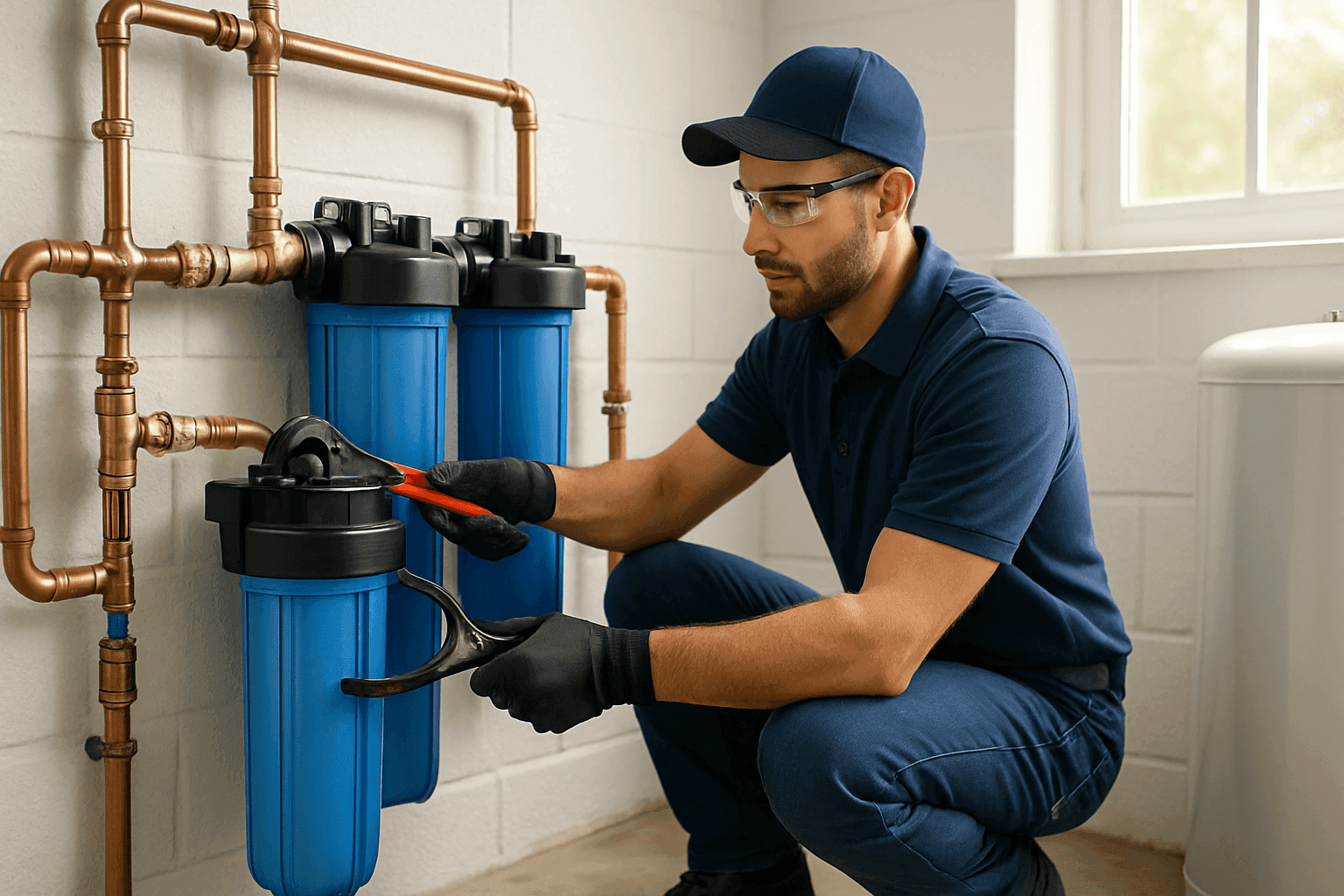
Clean, safe water should be a given—but it isn't always. Ever filled a glass only to wrinkle your nose at the taste or catch a faint scent of chlorine? Maybe your coffee maker’s got stubborn white buildup inside. These little annoyances often point to bigger issues hiding in your water supply.
At Rooter Kings Plumbing, we see it every day. Rusty pipes, mineral-laden water, off-putting flavors, and concerns about what’s really flowing from your taps. It’s not just about comfort—clean water is a matter of health and home value. Let’s break down why a water filtration system is a smart move, how to choose the right style, and what to expect from the process.
Why Install a Water Filtration System?
Imagine biting into a crisp apple, only to taste metal. The same goes for water. Poor water quality isn’t just unpleasant—it can affect your well-being and your wallet.
- Taste: Filtration strips away chlorine, metals, and other contaminants, leaving water that’s clean and refreshing.
- Health: Municipal supplies are treated, but trace chemicals, bacteria, and sediment can still sneak in. Filtration adds a vital layer of protection.
- Appliance Longevity: Hard water (loaded with minerals like calcium and magnesium) slowly sabotages water heaters, dishwashers, and coffee makers. Scale and deposits build up, cutting appliance lifespan short.
- Value: Homes with upgraded water systems see higher resale appeal. Buyers love the peace of mind.
Whether you’re dealing with hard water stains in the bathroom or just want a better-tasting glass at dinner, filtration helps across the board. In many regions, especially areas with high chlorine or “rock-hard” water, it’s more than a luxury—it’s a necessity. 🌎
Types of Filtration Systems
There’s no one-size-fits-all solution. The best system for your home depends on your water’s quirks and your daily habits. Here’s a quick rundown:
Whole House Filtration
- Filters all water entering your home.
- Protects every faucet, shower, and appliance.
- Great for families dealing with hard water, sediment, or widespread taste issues.
Under-Sink Systems
- Installed beneath a kitchen or bathroom sink.
- Treats water at a single tap (usually drinking/cooking water).
- Compact and out of sight.
Faucet-Mounted Filters
- Attach directly to the faucet.
- Easy DIY install and replacement.
- Ideal for renters or those seeking a quick improvement.
Specialty Cartridges
- Some filters are designed for specific problems: lead, bacteria, volatile organic compounds (VOCs), or that stubborn chlorine taste.
Not sure what’s in your water? Certified pros at Rooter Kings Plumbing can run a quick test to pinpoint issues before recommending a solution.
Installation and Maintenance: What to Expect
Getting a system installed is more straightforward than you might think. But like a car, it needs regular attention to keep humming.
Installation:
- Whole house units connect near your main water line—usually in the basement or utility room.
- Under-sink and faucet units are quicker, often wrapped up in under an hour.
Maintenance:
- Most systems rely on replaceable filters. These need changing every few months (details depend on filter type and household water use).
- Some units feature indicator lights or clear housings, so you can see when it's time for a swap.
- Annual checkups are a good idea—just like you’d tune up your furnace.
Tip: Mark your calendar after installation. Regular filter changes keep water fresh and system performance high. Ignoring maintenance is like never changing the oil in your car—it just doesn’t end well. 🛠️
Choosing the Right System
How do you pick the right system for your family? Start with what’s coming out of your tap.
- Get Your Water Tested: A simple lab test or in-home kit can reveal chlorine levels, hardness, sediment, or even bacteria.
- Target Your Problem: If you only want better-tasting drinking water, an under-sink filter might do. For hard water or sediment throughout the house, go bigger.
- Match to Your Budget and Space: Whole house systems are an investment, but they protect every drop. Under-sink and faucet units are more affordable, but cover less ground.
At Rooter Kings Plumbing, our licensed team will help you read your water test results, explain your options, and even show you how to swap filters when the time comes.
Hard Water & High-Chlorine: Local Nuance
If you live in a region with hard water, you know the drill—crusty faucets, filmy shower doors, and streaky dishes straight from the dishwasher. In high-chlorine areas, the taste and smell can be overpowering. Sometimes, emergency plumbing calls reveal issues caused by years of mineral buildup.
Water filtration isn’t a “nice to have” in these places—it’s a shield against costly repairs and worn-out appliances. Bathroom Plumbing near you might look spotless, but hard water leaves a hidden trail.
Installation & Maintenance Safety Checklist ✔️
Before installing or servicing any water filtration system, keep these basics in mind:
- Shut off your main water supply first.
- Use only certified components that meet NSF/ANSI standards (refer to the Uniform Plumbing Code).
- Follow all manufacturer guidelines for placement and assembly.
- Double-check for leaks at every connection—slow drips can add up.
- Replace filters on schedule—don’t wait for water flow to slow to a trickle.
- For systems tied to municipal lines, ensure backflow prevention is in place (a plumbing code requirement).
If you’re unsure at any step, don’t risk a flood or contamination. Call a licensed professional.
DIY vs. Call a Pro
Some under-sink and faucet-mounted systems are DIY-friendly. If you’re handy with a wrench and comfortable reading installation diagrams, you might save a buck.
But for whole house systems or anything involving pipe cutting, soldering, or backflow prevention? That’s where experience counts. A poorly installed filter can mean leaks, water damage, or even contamination.
Rooter Kings Plumbing’s techs handle everything safely and up to code, including any emergency plumbing needs that pop up during installation.
What Pros Do On Arrival
When you invite Rooter Kings Plumbing into your home, here’s how we roll:
- Assess your current water setup—main lines, shutoffs, and existing fixtures.
- Conduct a water quality test if needed.
- Recommend the best system for your needs and layout.
- Install the unit with precision—no shortcuts.
- Test for leaks and show you how to maintain the system.
- Provide documentation on filter schedules and safety tips.
Our certified installers stay up to date with local plumbing codes and safety practices. You get peace of mind, not surprises.
Prevention & Maintenance
A water filtration system isn’t “set it and forget it.” Like your car’s brakes, it needs regular check-ins.
- Change filters as recommended by the manufacturer—usually every 3–6 months.
- Watch for drops in water pressure; it might signal a clogged filter or other issue.
- Schedule an annual inspection, especially if your system is tied to other plumbing upgrades like water heaters or backflow prevention.
- If you notice changes in taste, color, or smell, don’t wait—get your water tested and filters checked.
Routine maintenance avoids most emergency plumbing calls linked to filtration system failures.
Costs & Time Factors
How much will this set you back? It depends on the system:
- Faucet-mount: Least expensive, easy install, but covers only one faucet.
- Under-sink: Moderate in both cost and coverage.
- Whole house: Higher initial cost, but long-term protection for every pipe and appliance.
Install times range from 30 minutes (faucet) to several hours (whole house). Factor in the price of replacement filters over the life of the unit.
Remember, a little upfront investment can prevent expensive pipe repair or appliance replacement down the road.
When It’s an Emergency
Sometimes, filtration crosses into emergency plumbing territory—like when a burst filter floods your cabinet, or a clogged system shuts down water flow entirely. If you notice water where it shouldn’t be, sudden pressure drops, or system alarms, turn off your main water and call a pro.
Rooter Kings Plumbing handles urgent issues 24/7, minimizing water damage and getting your system back online fast.
FAQ
Do I really need a whole house filter?
Not always. If your main issue is water taste at the kitchen sink, an under-sink or faucet filter may suffice. For widespread hardness or sediment, whole house makes sense.
How often should I change my filters?
Follow the manufacturer’s schedule—usually every 3–6 months. Your water quality and how much you use will affect timing.
Can I install a system myself?
Simple faucet or under-sink filters can be DIY. For whole house units or anything involving pipe changes, always call a pro.
What certifications should I look for?
NSF/ANSI certification is a must. Ask your plumber about compliance with the Uniform Plumbing Code and local requirements.
Local & Seasonal Considerations
Water conditions shift with the seasons. Spring runoff can bring sediment, while summer droughts concentrate minerals. In older neighborhoods, aging pipes can add rust or lead to your supply.
If you’re seeing changes in water taste, color, or pressure—especially after storms or utility work—it’s time for a checkup. Some regions routinely flush their municipal lines, stirring up sediment that can clog filters. Stay tuned to local water quality reports (from sources like the EPA or your city’s water department).
Ready for water that tastes as clean as it looks? Rooter Kings Plumbing is here to help—whether it’s a quick test, a new system, or emergency plumbing support.
Call Rooter Kings Plumbing now — or reach us anytime at 877-359-8413 .