Water Heater Repair: Troubleshooting and Maintenance Guide
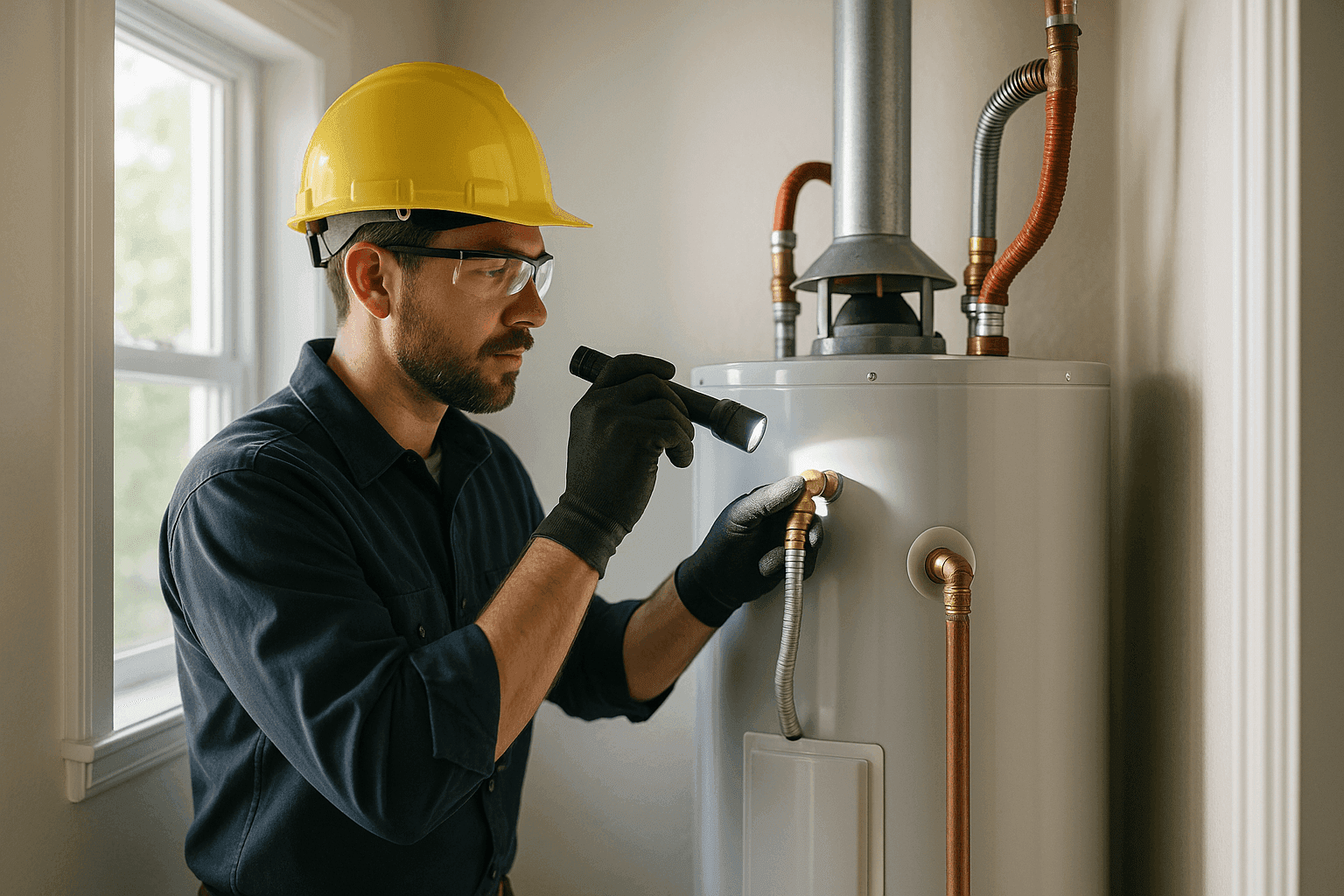
It’s a cold morning. You turn the tap—only to be greeted by an icy splash. No hot water, and your day’s off to a rocky start. At Rooter Kings Plumbing, we’ve seen this scenario play out in homes across the region. Water heater problems don’t wait for business hours, and knowing what to do next can make all the difference.
Our certified technicians handle emergencies 24/7 and understand the urgency when hot water goes out. Whether it’s a slow leak, strange noises, or a total lack of heat, we’re here to help you get back on track—safely and efficiently.
How Water Heaters Work 🔥
Before you reach for your toolbox, it helps to know what you’re working with. Water heaters come in two main flavors: tank and tankless.
- Tank water heaters are like giant thermoses. They store and heat gallons of water, ready when you need it. They can run on gas or electricity.
- Tankless water heaters skip the storage. They heat water on demand, like a microwave for your pipes—quick and efficient, but with their own quirks.
Gas vs. Electric:
- Gas models heat with burners, lighting a flame (pilot or electronic).
- Electric units use heating elements, much like a giant kettle.
Each type has its own maintenance needs and problem spots. And in areas with hard water—think visible mineral stains on faucets—sediment can build up even faster, making regular care essential.
Common Water Heater Issues
Water heaters rarely go quietly. Here’s what to watch—and listen—for:
- No Hot Water: Dead silence? Cold showers? Could be a tripped breaker, faulty thermostat, or a failed pilot light.
- Leaking Tank: Puddles near the base aren’t just a nuisance. Even small leaks can signal corrosion or cracked fittings.
- Strange Noises: Pops, bangs, and rumbles often mean sediment has settled at the bottom of your tank, causing the heater to overwork.
- Pilot Problems: Gas models rely on a steady pilot light. If it keeps going out, you may have a draft, dirty thermocouple, or gas supply issue.
If you see rust-colored water or smell rotten eggs, don’t ignore it. That’s often bacteria or corrosion—both need quick attention. And if the tank is sweating (condensation), it could mean insulation problems or a hidden leak.
Maintenance Tips That Actually Matter 🛠️
A little upkeep goes a long way. Here are simple ways to extend your water heater's life and sharpen its performance:
- Flush the Tank: Once a year, drain a few gallons from the tank to remove sediment. This is even more important in areas with hard water, where limescale builds up fast. The U.S. Department of Energy recommends annual flushing for best results.
- Check the Temperature: Set your thermostat to 120°F. This prevents scalding and saves energy.
- Inspect the Anode Rod: This metal rod attracts corrosion, protecting your tank. If it’s worn down to less than half an inch thick, it’s time to replace it.
- Look for Leaks: Glance at pipes, valves, and the tank base monthly. Early detection can prevent a flood.
- Test the Pressure Relief Valve: Lift the lever—water should rush out, then stop. If not, call for help.
Remember to always turn off power (or set gas to “pilot”) before starting maintenance. And read your manufacturer’s manual for model-specific steps.
When to Call a Pro
Some jobs are best left to trained hands. Water heaters mix electricity, gas, and high-pressure water—a risky cocktail. Call Rooter Kings Plumbing if:
- You smell gas or hear hissing near the unit.
- The pilot won’t stay lit, even after relighting.
- Leaks persist after tightening connections.
- You see rust, corrosion, or hear loud rumbling.
- The unit is under warranty and you’re unsure about DIY repairs.
Our certified techs use up-to-date safety protocols, follow local building codes, and carry the right diagnostic tools. We don’t cut corners on safety—yours or ours.
Local/Regional Challenges: Hard Water & Sediment
If you live in an area with hard water—think chalky residue in your shower or scale on faucets—your water heater is fighting a silent battle. Minerals settle inside tanks, forming a crust that reduces efficiency and shortens lifespan. Flushing the tank and considering a water filtration system can help. If you’re unsure about your region’s water hardness, your city’s water authority or the U.S. Geological Survey can provide details.
Quick Safety Checklist
- Shut off power (breaker for electric, set gas to “pilot”).
- Turn off the cold water supply to the heater.
- Let the unit cool before draining or inspecting.
- Ventilate the area if you suspect a gas leak.
- Wear gloves and safety glasses for all maintenance.
If you ever feel uncertain, step back and call for professional emergency plumbing help.
DIY Fixes vs. Calling a Pro
DIY:
- Resetting breakers or relighting a pilot light (if you know how).
- Flushing the tank or adjusting the thermostat.
Call a Pro:
- Smelling gas, seeing persistent leaks, or hearing loud rumbling.
- Replacing the anode rod or pressure relief valve.
- Issues with gas lines, electrical wiring, or if the unit is under warranty.
Don’t risk injury or voiding your warranty. For stubborn problems, “Bathroom Plumbing near you” is only a call away.
What Pros Do When They Arrive
Here’s what to expect when a Rooter Kings Plumbing technician visits:
- Inspect the unit for obvious problems (leaks, corrosion, blockages).
- Test the thermostat, heating elements, and gas connections.
- Check the pilot light, burner assembly, and pressure relief valve.
- Flush sediment if needed and replace worn parts.
- Ensure the system meets local plumbing codes and safety standards.
We explain every step and answer your questions—no jargon, just clear advice.
Prevention & Maintenance
Regular maintenance isn’t just a suggestion—it’s the best way to avoid surprise breakdowns. Here’s a checklist you can follow:
- Annual tank flushing (twice a year in high mineral areas).
- Anode rod inspection every 2–3 years.
- Pressure relief valve test every 6 months.
- Monthly leak and corrosion checks.
Consider enrolling in a preventative maintenance program if you’re busy or forgetful. It’s like an annual checkup for your home’s hot water system.
Costs & Time Factors
Water heater repairs range from quick fixes to complex adjustments:
- Minor repairs (like thermostat or pilot light fixes) can take 30–60 minutes.
- Sediment flushes or anode rod replacements usually take about an hour.
- Major repairs (tank leaks, gas valve issues) may require several hours or full unit replacement.
Costs vary based on age, model, and regional labor rates. Always ask for a clear estimate before work begins.
When It’s an Emergency 🚨
Certain water heater issues can’t wait:
- Active leaks or flooding.
- Gas smells or carbon monoxide alarms.
- No hot water in winter, especially for families with infants or elderly members.
Rooter Kings Plumbing responds 24/7. Your safety comes first.
FAQ
Why does my water heater make popping noises?
Sediment buildup at the bottom traps water, causing it to boil and “pop.” Regular flushing helps.
How often should I replace my water heater?
Most last 8–12 years. If you’re nearing that age and repairs are frequent, consider replacement.
Is it safe to adjust the temperature myself?
Yes—just turn the dial to 120°F. For wiring or gas issues, call a professional.
Can hard water damage my heater?
Yes. Minerals cause scale buildup, which makes your unit work harder and wear out faster. Consider a water filtration system if your area has hard water.
Local/Seasonal Considerations
In colder months, pipes and tanks work harder. If you live in a region with freezing winters, insulate pipes and keep the water heater in a heated space. High-sediment areas (common in many regions across the U.S.) mean more frequent maintenance. Check with your local water authority for guidance.
Ready for reliable hot water—without the headaches?
Call Rooter Kings Plumbing now — or reach us anytime at 877-359-8413 .